

When investors earn returns over time, they can either withdraw the earnings or reinvest them. The choice often depends on income, cash needs and changing financial goals. However, this decision can influence how an investment grows over the long term.
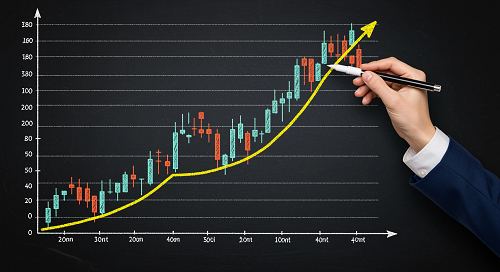 |
A compound interest calculator helps you visualize the power of compounding
A compound interest calculator helps investors understand how reinvestment and withdrawals may affect potential investment outcomes.
By comparing both options, investors can see how different choices may influence their investments over time. The calculator offers an illustrative view. It does not predict future returns.
This comparison can also help investors understand the role of time and consistency in long-term investing.
Reinvestment: A Choice That Builds Over Time
Reinvestment means keeping interest, dividends or gains in an investment instead of withdrawing them. This choice may not make a major difference in the short term. However, its impact can become more visible over longer periods.
In market-linked investments, returns can vary across different periods. Therefore, investors should consider how reinvestment works alongside market movements and investment risks.
The power of compounding becomes more noticeable when investors keep their earnings invested for longer periods. Consistency plays an important role in this process.
A compound interest calculator can turn this process into figures that investors can compare.
For example, regular withdrawals reduce the amount available for future compounding. In contrast, reinvestment adds earnings to the investment base. This larger base may then generate further potential returns.
Comparing these scenarios can help investors understand how their choices may affect long-term outcomes. However, actual returns may differ from calculator estimates because the figures depend on the assumptions used.
Understanding the Power of Compounding
The power of compounding refers to the process in which retained earnings can generate further earnings over time.
As this cycle continues, the effect may become more visible over longer periods. This is especially relevant when investors maintain a consistent approach to reinvestment.
Investors often discuss compounding in relation to:
- Long-term equity investments.
- Retirement planning.
- Regular investment strategies that focus on financial discipline.
Time and consistency support the compounding process. However, investors must also consider market movements and investment risks.
Compounding does not remove uncertainty or guarantee positive returns. Market-linked investments remain subject to market risks. Even so, reinvestment over longer periods may create opportunities for potential growth.
How Withdrawals Affect Compounding
Investors may need to withdraw their earnings to meet financial goals or manage expenses. Such withdrawals can be appropriate, depending on individual needs and life stages.
However, withdrawals reduce the amount that remains available for future compounding. This can influence the investment’s potential growth over time.
A compound interest calculator can help investors compare outcomes with and without withdrawals. Even small withdrawals, when repeated over long periods, may create differences in the final figures.
These differences often become easier to understand when investors compare longer time periods rather than focusing only on short-term changes.
The key consideration is how much capital remains invested and how consistently it can continue to generate potential returns.
Conclusion
Reinvestment does not guarantee a particular investment outcome. Instead, it represents one approach to managing earnings over time. Investors can use a compound interest calculator to compare different scenarios and understand how reinvestment, withdrawals and time may influence potential growth.
A decision to reinvest may seem small at first. However, its effects can become more noticeable over longer periods. Investors should consider their financial needs, goals and risk tolerance before making investment decisions.
Mutual Fund investments are subject to market risks, read all scheme related documents carefully.


