Global luxury conglomerate LVMH reported subdued first-quarter performance, as geopolitical tensions in the Middle East weighed on consumer sentiment and disrupted growth momentum across key markets.
The group’s critical fashion and leather goods division recorded a 2 percent decline in organic sales, falling short of analyst expectations. Overall, group revenue rose marginally by 1 percent to €19.1 billion, compared to the anticipated 2 percent growth, reflecting ongoing volatility in the global luxury sector.
The slowdown comes despite internal efforts to revitalise brands such as Christian Dior, where a creative overhaul is currently underway. However, the impact of these changes is yet to fully materialise at retail.
LVMH acknowledged the challenging macro environment, stating that it “showed good resilience in a geopolitical and economic environment that remained disrupted, amplified by the conflict in the Middle East.”
Regional Performance and Segment Highlights
The Middle East emerged as the weakest-performing region, with double-digit sales declines, reducing overall group growth by approximately 1 percent. The ongoing conflict has disrupted travel, impacted luxury consumption, and created broader economic uncertainty.
In contrast, the United States remained relatively stable, recording 3 percent growth, while Asia (excluding Japan), including China, delivered stronger-than-expected performance with 7 percent growth, signalling gradual recovery in the region.
Among business segments:
- Watches and jewellery posted 7 percent growth, driven by strong performance at Tiffany & Co.
- Retail, including Sephora, grew 4 percent, supported by strategic repositioning in China
- Perfumes and cosmetics remained flat
Luxury Market Under Pressure
The results serve as a key indicator for the broader luxury industry, with LVMH being the first major player to report earnings following the escalation of the Middle East conflict. The crisis has not only impacted regional demand but also triggered inflationary pressures and weakened global consumer confidence.
Despite challenges, company executives emphasised underlying strength and improving trends. Chief Financial Officer Cécile Cabanis highlighted that excluding the Middle East, performance indicators were moving in a positive direction.
Brand Momentum and Strategic Outlook
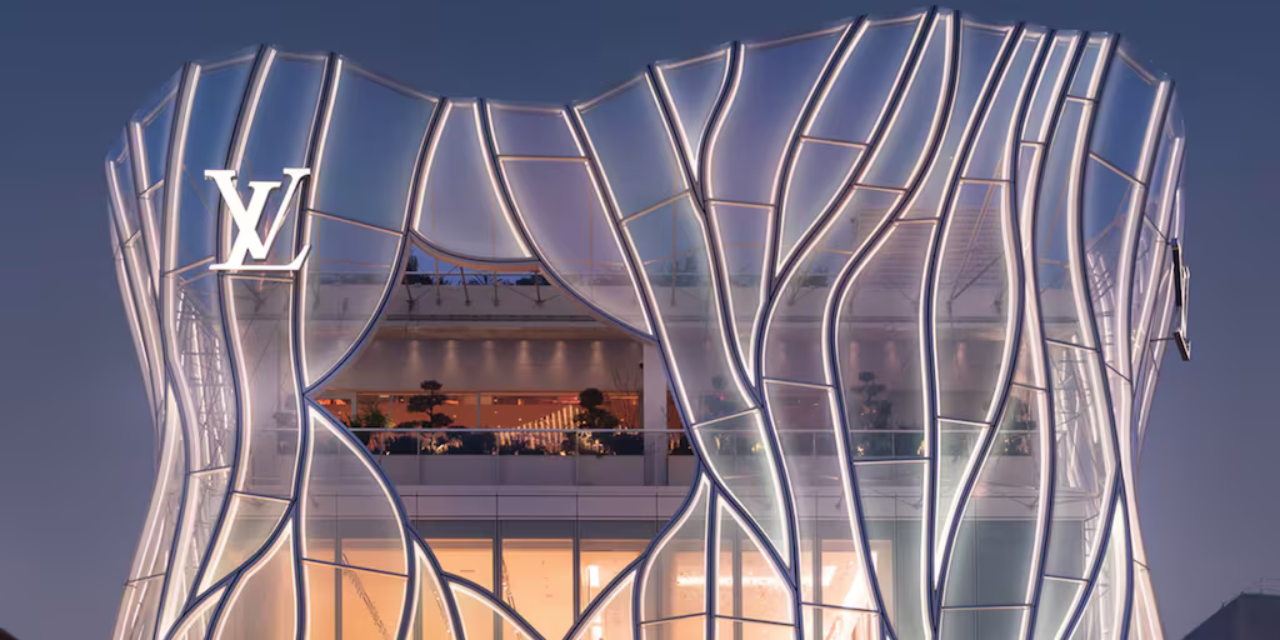
Flagship brand Louis Vuitton continues to demonstrate resilience, maintaining leadership across key global markets. Meanwhile, Dior is undergoing a transformation under new creative leadership, with early signs of improved customer engagement.
Cabanis noted, “Consumers continue to respond well to creativity and newness in product, as demonstrated by an improving conversion rate at our largest brands.”
The group also indicated that Dior’s full collection rollout is still underway, suggesting that stronger performance may follow in subsequent quarters.
Investor Sentiment and Market Outlook
Despite slight recovery in share prices after a sharp 28 percent decline in Q1, investor sentiment remains cautious due to limited visibility on near-term growth. Analysts continue to monitor whether the luxury sector can regain momentum amid ongoing geopolitical and economic headwinds.
As LVMH navigates a complex global landscape, its ability to balance innovation, regional demand shifts, and operational resilience will be critical in determining the trajectory of the luxury market in 2026.