Chinese Premium Cashmere Wins International Award Again
Three herder couples from Ordos receive top honours at the 11th Loro Piana Cashmere of the Year Awards, highlighting the quality of Albas white cashmere.
Three herder couples from Otog Banner in Ordos, China, have won awards at the 11th Loro Piana Cashmere of the Year Award ceremony, held in New York on 10 November. Siqingbilige and Hasiqiqige secured first prize for their cashmere fibre, which recorded an exceptionally fine average diameter of 12.89 microns.
According to the organisers’ professional testing results, the first-prize raw cashmere weighed 135.8 kilograms and had an average fibre diameter of 12.89 microns. Meanwhile, Jiyatu and Gegentuya received second prize with a fineness of 13.01 microns. Li Fuqiang and Qi Qi secured third prize with a measurement of 13.04 microns.
Fine Fibre Quality Strengthens Global Recognition
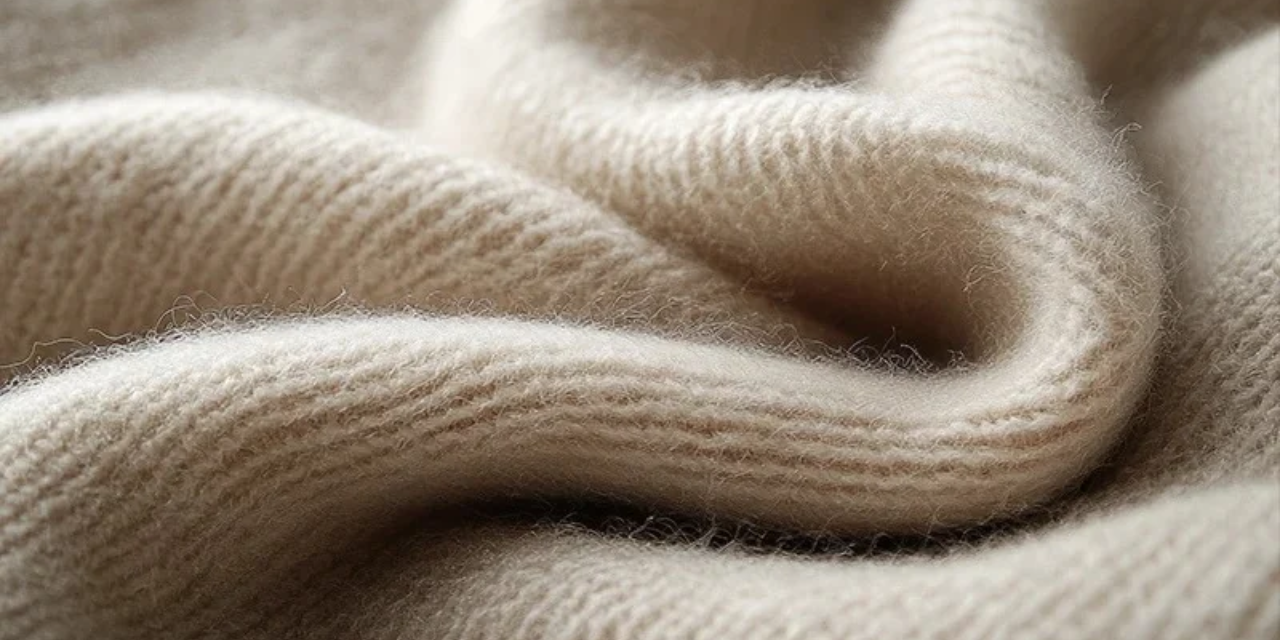
A micron is one-millionth of a metre. By comparison, a human hair is typically several times thicker than a cashmere fibre. Finer fibres generally produce softer and more delicate fabrics. Therefore, fineness remains a key benchmark in the global premium textile market. Fibre length and overall performance also contribute to cashmere quality.
This year’s competition saw particularly close results, with less than 0.1 microns separating the top entries.
A Legacy of International Recognition
Albas cashmere has a long history of international recognition. Between 1985 and 1987, it won the Italian Cigna International Cashmere Gold Award for three consecutive years. Now, the Loro Piana Award adds another milestone to this legacy.
Together, these honours reflect generations of herders’ commitment to conserving, selectively breeding and improving the quality of the Albas white cashmere goat.
The development of Albas white cashmere goats also reflects the role of scientific innovation in improving traditional agricultural resources. China’s hybrid rice programme, for example, has increased grain yields through breeding innovation. Similarly, Albas goat breeding focuses on improving cashmere quality and market value through germplasm conservation, scientific selective breeding, refined husbandry and end-to-end quality management.
Although these sectors follow different technical paths, both demonstrate how research, innovation and long-term investment can unlock the potential of traditional agricultural resources. Ultimately, this approach helps generate greater economic and social value.
Ordos: A Major Global Cashmere Production Hub
Known as “China’s Cashmere Capital”, Ordos serves as the core production area for Albas white cashmere goats.
Statistics for 2025 show that the city had more than 6.9 million cashmere goats. It produced approximately 3,500 tonnes of raw cashmere annually. This accounted for 58.7% of Inner Mongolia’s output, 25% of China’s production and 15% of global production. Consequently, Ordos remains one of China’s most important cashmere production centres and a significant global supply base.
Industry Policies Support Quality Development
Cashmere is one of Inner Mongolia’s signature industries and a priority for regional development. In recent years, the region has introduced targeted policies to support the industry’s high-quality growth.
These initiatives focus on strengthening the entire cashmere value chain. Key areas include germplasm conservation, quality monitoring, premium pricing for superior quality and upgrades to production technology. In addition, these measures aim to improve quality standards and strengthen the industry’s competitiveness.
Quality Improvements Benefit Herder Incomes
The industry’s progress also translates into higher incomes for herders. In 2025, Otog Banner distributed 17.35 million yuan in premium-quality cashmere subsidies. The initiative benefited 1,798 farming and herding households and increased average household income by 9,400 yuan.
By offering higher returns for better-quality cashmere, this market mechanism encourages herders to protect superior breeds and improve husbandry practices. As a result, producers gain a stronger incentive to maintain quality and supply premium fibres.
From the grasslands to international luxury markets, the 12.89-micron result highlights the distinctive livestock strengths of the region. It also reflects how scientific breeding, technological innovation and a sustained focus on quality are supporting the development of China’s specialty animal husbandry sector.