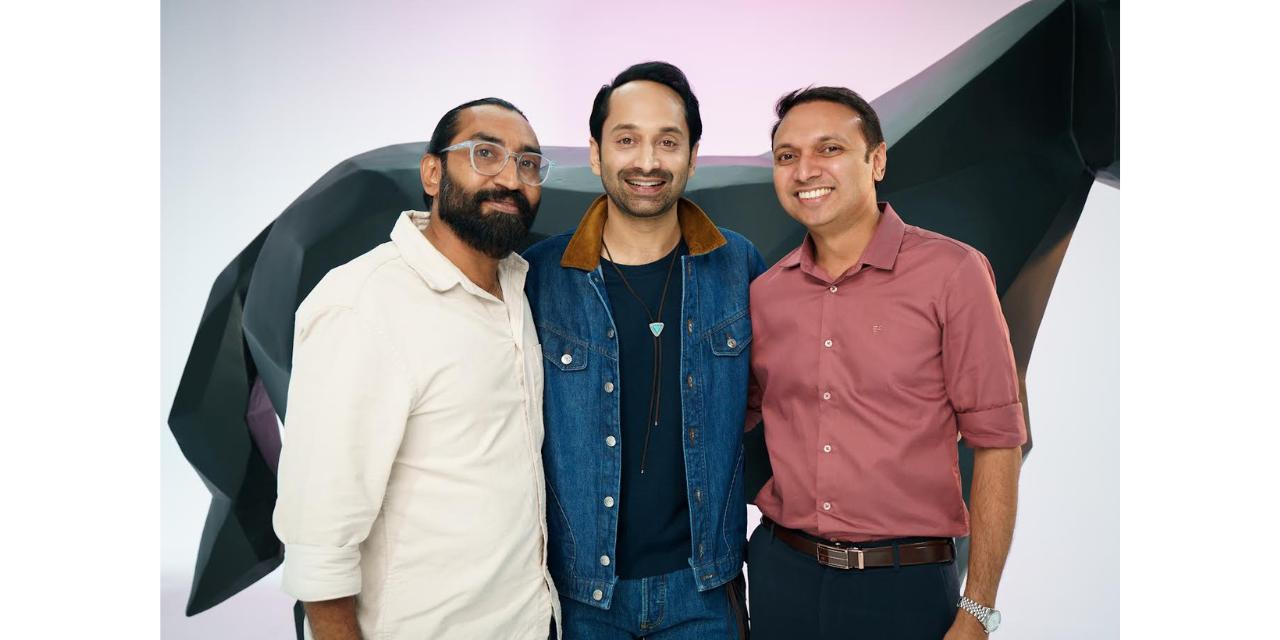
Written by Ladeesh PC, Director and Co-Founder of Estilocus
Every online shopper knows the feeling: the shirt arrives, the shoulders sit slightly wrong, and it goes back in the box. For the shopper, it is a small annoyance. For the brand on the other end, it is a lost sale, a delivery paid for twice and a garment that may never sell at full price. Multiplied across thousands of orders, it becomes one of fashion’s biggest hidden costs. According to Base.com’s COD Return Rates by Product Category in India 2026 report, fashion and apparel orders paid for on delivery come back at a rate of 25% to 40%.
What a return actually costs
A return is never just a return. Reverse shipping, inspection, repackaging and handling add up, and margins that were thin to begin with get thinner.
Fit is the biggest cause. McKinsey’s State of Fashion research has estimated that roughly 70% of fashion returns come down to garments not fitting properly, and no two brands size alike. Then there is “bracketing,” where shoppers order several sizes and keep one, a habit that adds to shipping and return costs. Menswear is unforgiving here: a shirt half a size off in the shoulder, or a trouser that sits wrong at the waist, is noticed immediately and rarely worn.
The pressure on D2C brands
In a crowded field, operations matter as much as marketing. Unicommerce’s India D2C report (April 2026) shows how little room for error there is:
- Over 11,000 D2C brands share roughly 10–15% of India’s e-commerce market.
- FY26 growth of about 33% was driven by order volumes, not price rises.
- Return-to-origin (RTO) rates peaked at 39% in November 2025; the best brands cut them to 21% by March 2026.
- COD returns peaked at 58% in the festive season, against under 15% for prepaid.
- Tier 2 and Tier 3 cities drove nearly 66% of incremental order volumes, with higher return sensitivity.
- Fashion, largely a one-time-purchase category, has to work twice as hard on retention.
RTO covers undelivered parcels rather than fit-related returns, but the lesson carries over: every parcel that comes back is lost margin.
Technology and the first purchase
The Business of Fashion–McKinsey State of Fashion 2026 report notes that AI is moving from a competitive edge to a business necessity, with more than 35% of executives already using generative AI in areas such as customer service, imagery and product discovery. More than half also cite retention as a key priority this year.
In a cautious market, a wrong first purchase costs the customer more, and a frustrating return can cost a brand the customer for good. Brands are responding with AI-led size recommendations, digital avatars, virtual try-on and exchange-first policies.
What try-on can and cannot do
Virtual try-on does not solve the fit problem on its own.
What it can do:
- Help shoppers judge style, proportion and colour with more confidence.
- Reduce the guesswork behind bracketing.
What it cannot do:
- Replace the other things fit depends on: fabric behaviour, consistent sizing, accurate measurements and clear product information.
- Make up for an inconsistent size chart.
Tools like this add to honest sizing and good construction; they do not replace them.
The way forward
Brands are experimenting with exchange-first policies, clearer size guidance, fraud detection and smarter logistics. Virtual try-on is one tool among these, part of a wider effort to reduce uncertainty at the moment of purchase.
Returns will not disappear. But brands that read them as a signal of where the customer experience breaks down, rather than an unavoidable cost, are the ones most likely to come out ahead.
References :
https://unicommerce.com/india-d2c-report-2026-april/
https://www.mckinsey.com/industries/retail/our-insights/state-of-fashion#/
https://base.com/en-IN/blog/cod-return-rates-by-product-category-in-india-2026-report/