Managed Workwear Services Offer a Blueprint for Circular Textiles
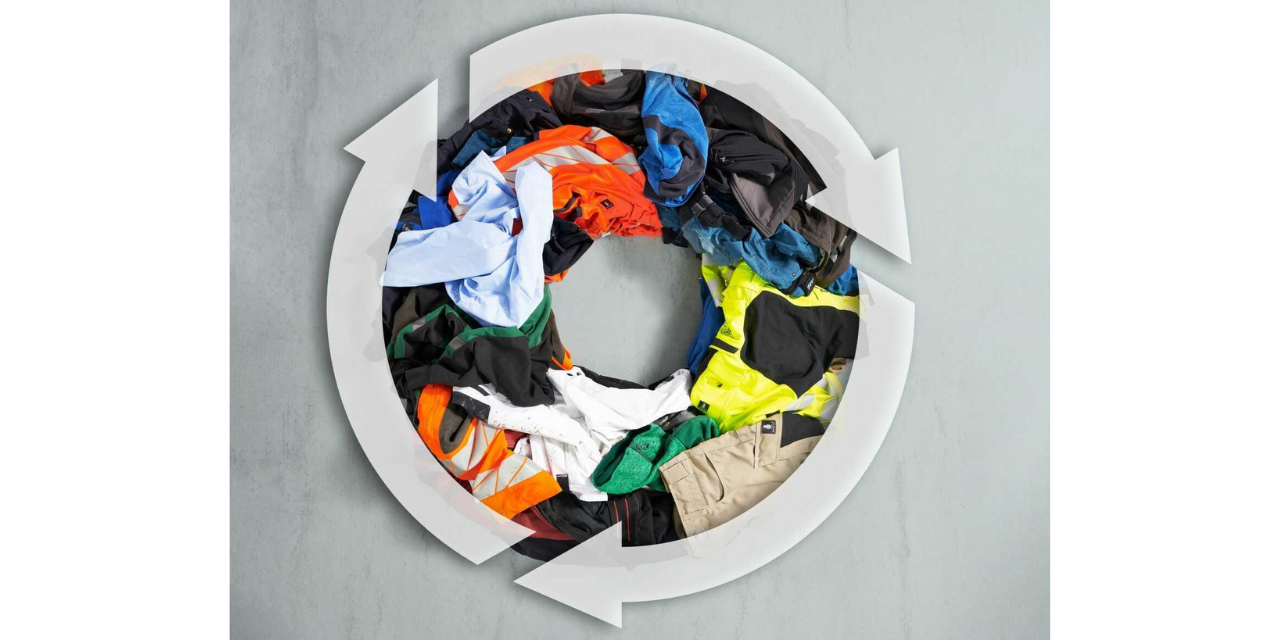
Managed workwear services are emerging as a strong example of how commercial viability and circularity can work together, with service providers extending garment lifecycles through repair, professional laundering, reuse and recycling.
According to a new 14-page report by global business information company Textiles Intelligence, titled “Managed workwear services: a circular textile economy ahead of the game”, the managed workwear model provides one of the textile sector’s most developed examples of a circular business approach.
From Garment Supply to Managed Services
Across Europe, several companies have moved beyond conventional workwear manufacturing by adopting a service-based model. Instead of simply selling garments to customers, these providers retain ownership throughout the products’ working lives.
Their responsibilities can include garment tracking, laundering, repairs, replacement and end-of-life recycling. This allows providers to maintain greater control over the garment lifecycle while creating incentives to keep products in use for as long as possible.
Designing for Longer Garment Lifespans
Durability sits at the centre of the managed workwear model. Unlike conventional apparel, workwear supplied through these services is often designed to withstand hundreds of industrial laundering cycles while maintaining comfort, performance and compliance with workplace safety requirements.
Garments are also designed with repairability in mind, helping companies extend their useful lives instead of replacing them prematurely.
This approach shifts the focus from the volume of garments sold to the overall value generated throughout each garment’s lifecycle.
Technology Enables Circularity
Managed workwear providers have also developed sophisticated logistics and tracking systems to support the model. Technologies such as radio frequency identification (RFID), automated sorting systems and digital inventory management allow garments to be monitored throughout their service lives.
This visibility helps providers identify garments that require repair or replacement, improve inventory management and optimise collection and redistribution processes. It can also contribute to reducing operational costs and environmental impact.
Retaining Ownership Creates Circular Incentives
By retaining ownership from production through end-of-life recovery, managed workwear companies can maintain greater control over traceability, maintenance, reuse and recycling.
Leading European companies actively developing this model include Alsico, CWS Workwear, Elis, Fristads, Lindström, Mascot and Mewa.
The model demonstrates that circularity can be implemented at commercial scale when businesses have a direct economic interest in making garments last longer and recovering materials at the end of their useful lives.
Although managed workwear cannot be directly replicated across every apparel category, it offers valuable lessons for the wider textile industry. Garment ownership, durability, repairability, traceability and material recovery can create both environmental benefits and stronger commercial incentives, providing a practical pathway towards a more circular textile economy.