The global sustainable lotus fiber textile market is witnessing strong growth as the textile and fashion industries increasingly shift towards environmentally responsible materials. According to a recent report by Growth Market Reports, the market reached USD 184.2 million in 2024 and is expected to grow at a CAGR of 13.9 percent from 2025 to 2033, reaching an estimated value of USD 541.7 million by 2033.
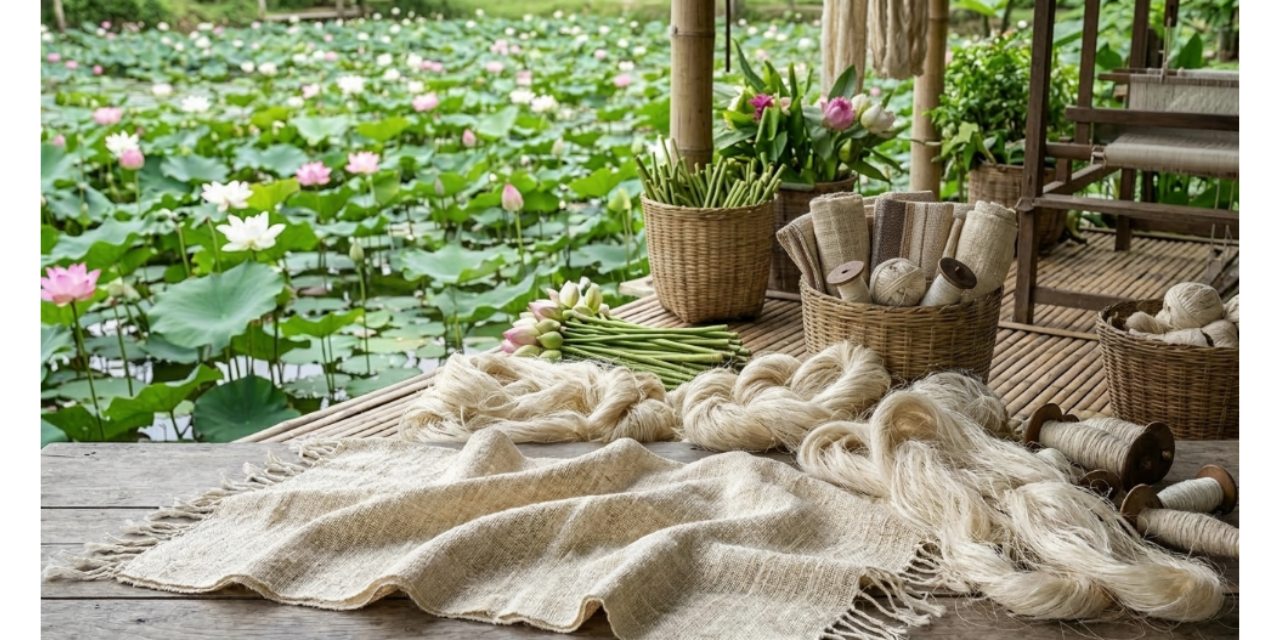
Lotus fiber, derived from the stems of lotus plants, is regarded as one of the world’s rarest and most sustainable natural fibres. Traditionally produced in Southeast Asia, the material is gaining traction among luxury fashion and sustainable textile brands due to its biodegradable properties and minimal environmental impact.
Growing consumer awareness around sustainability and ethical sourcing is a major factor driving market expansion. As concerns over synthetic fibres such as polyester and nylon continue to rise, fashion brands are increasingly exploring natural alternatives including lotus fiber, hemp, bamboo, and organic cotton.
One of the key advantages of lotus fiber is its eco-friendly production process, which relies largely on manual extraction techniques and requires minimal chemical treatment. This significantly reduces industrial pollution and carbon emissions associated with conventional textile manufacturing.
Despite its sustainability benefits, the market faces challenges related to production scalability. The extraction process is labour-intensive, requiring skilled craftsmanship and a large quantity of lotus stems to produce a relatively small amount of fibre. These limitations contribute to higher production costs and position lotus fiber fabrics within the premium and luxury segment.
Limited cultivation areas also restrict raw material availability, making supply expansion a key focus for the industry. Experts suggest that advancements in fibre extraction technologies and sustainable farming methods will be essential for improving production efficiency and meeting future demand.
The growing popularity of sustainable fashion presents strong opportunities for brands incorporating lotus fiber into their collections. The exclusivity and artisanal nature of the fabric offer unique branding and storytelling potential, particularly within the luxury and eco-conscious consumer market.
Several companies are actively operating within the sustainable lotus fiber textile segment, including Samatoa Lotus Textiles, Looms of Burma, Lotus Silk, and Aurea Lotus, among others.
As sustainability continues to shape the future of the global textile industry, lotus fiber is expected to emerge as a niche yet high-value material across fashion, home textiles, and specialty textile applications.
Source: https://growthmarketreports.com/report/sustainable-lotus-fiber-textile-market