The Fabric Shift: How Breathability Became Fashion’s Biggest Talking Point
By Nelson Jaffery
Fashion conversations just a while ago revolved mainly around silhouettes, colours, and rapidly changing trends. Today, however, the discourse has evolved into something far more practical and human-centred, with greater emphasis on aspects beyond appearance alone. At the centre of this shift lies one key concept: breathability.
While fabric choice has always played an important role in fashion, its significance today is impossible to ignore. Breathability, once considered a purely technical characteristic, has now become central to design thinking. It is no longer viewed as an added advantage but rather as an expectation from modern consumers.
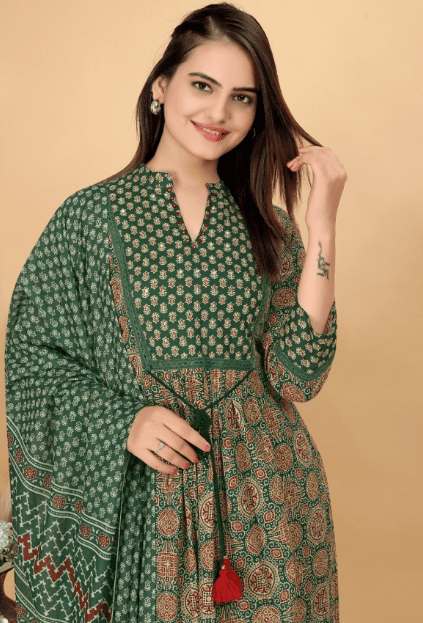
This transformation reflects broader lifestyle changes. Consumers now navigate multiple environments within a single day, from long commutes and demanding work schedules to social engagements and travel. Clothing is therefore expected to adapt not only aesthetically but functionally as well. In a fast-paced world, garments that restrict movement or retain excessive heat no longer fit into daily life.
As a result, the definition of luxury itself has evolved. Traditionally associated with heavy fabrics, ornate detailing, and richness of texture, luxury today is increasingly linked to comfort, ease, and wearability. The ability to breathe and move comfortably in clothing has become a defining marker of modern luxury.
At Liva, this philosophy forms a core part of the design process. The focus lies in developing fabrics that not only look visually appealing but also feel effortless to wear. Breathable fabrics influence the way garments drape and move, resulting in softer, more fluid silhouettes that combine elegance with practicality.
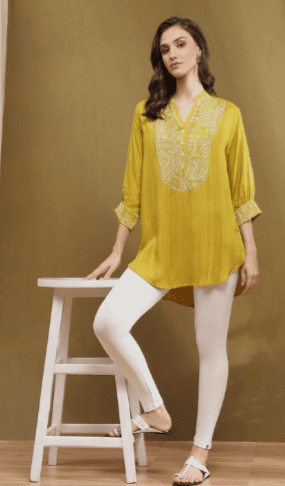
Breathability also carries important sustainability implications. Comfortable garments that perform well are more likely to be worn repeatedly and retained for longer periods. This encourages mindful consumption and contributes to more sustainable fashion habits.
Another notable shift is the growing awareness among consumers regarding fabric composition and garment construction. Shoppers today are increasingly interested in understanding the materials used, the processes behind garment creation, and how clothing is designed to function in everyday life.
For designers, this changing mindset presents both a challenge and an opportunity. It encourages experimentation with innovative materials and demands a balance between aesthetics and practicality without compromising either.
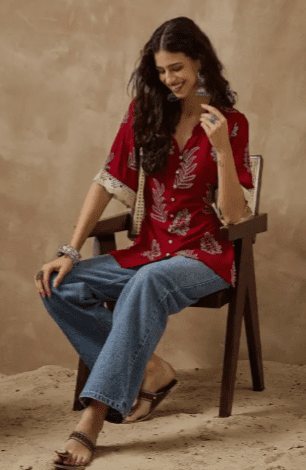
Ultimately, fashion design is gradually moving away from being purely decorative and becoming more human-focused. The emphasis is no longer solely on how a garment looks, but also on how it feels and functions in real life.
Breathability, therefore, is no longer just about comfort. It represents adaptability, confidence, and the seamless integration of clothing into modern lifestyles. When garments move naturally with the wearer and align with everyday routines, they become more than fashion—they become an extension of lived experience.