Kshipra Kulkarni
Introduction
India’s craft clusters—regional hubs of traditional artisan practices—are treasure troves of intangible cultural heritage. From Kutch’s intricate mirror embroidery to Bhagalpur’s tussar silk weaving, these clusters preserve ancient skills passed down through generations. Yet in the age of artificial intelligence and e-commerce, these traditions face a paradox: reverence without relevance.
Enter Gen Z, the digitally-native, socially-conscious cohort born roughly between 1997 and 2012. Armed with smartphones, social platforms, and a growing appetite for sustainability and cultural authenticity, Gen Z offers a crucial bridge between endangered craftsmanship and modern markets. However, this connection is not automatic—it demands intention, infrastructure, and innovation.
This article explores how India’s craft clusters can find new life by engaging with Gen Z, and how digital fluency, storytelling, and collaborative models can empower artisans while satisfying the aesthetic and ethical expectations of the next generation.
Understanding Craft Clusters: The Cultural Epicentres of Handmade India
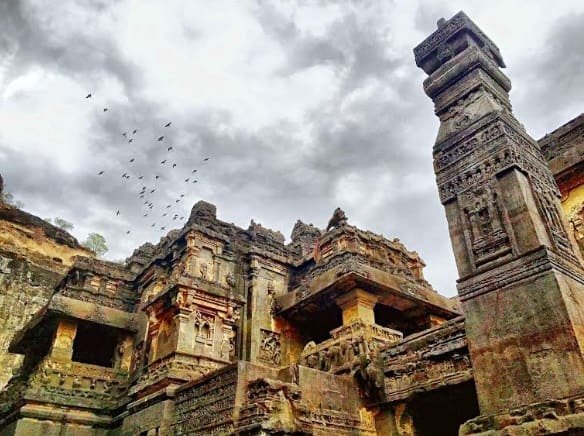
India’s craft clusters are more than mere production zones—they are living repositories of centuries-old cultural wisdom, artisanal excellence, and community identity. These clusters are microcosms where heritage and creativity fuse, sustaining entire communities through skillsets refined and perfected over generations. Each cluster is distinctive, shaped by geography, history, and social fabric, giving rise to techniques and crafts that are emblematic of the region’s cultural ethos.
There are over 300 officially documented craft clusters across India, and each plays a critical role in preserving the country’s intangible cultural heritage. Some notable examples include:
- Kanchipuram (Tamil Nadu) — Renowned globally for its luxurious silk sarees, the Kanchipuram cluster has perfected handloom silk weaving, characterised by rich zari borders and motifs inspired by temple architecture and nature.
- Pochampally (Telangana) — Famous for Ikat weaving, this cluster uses a complex resist dyeing technique to create geometric and abstract designs on silk and cotton, sustaining a craft that dates back centuries.
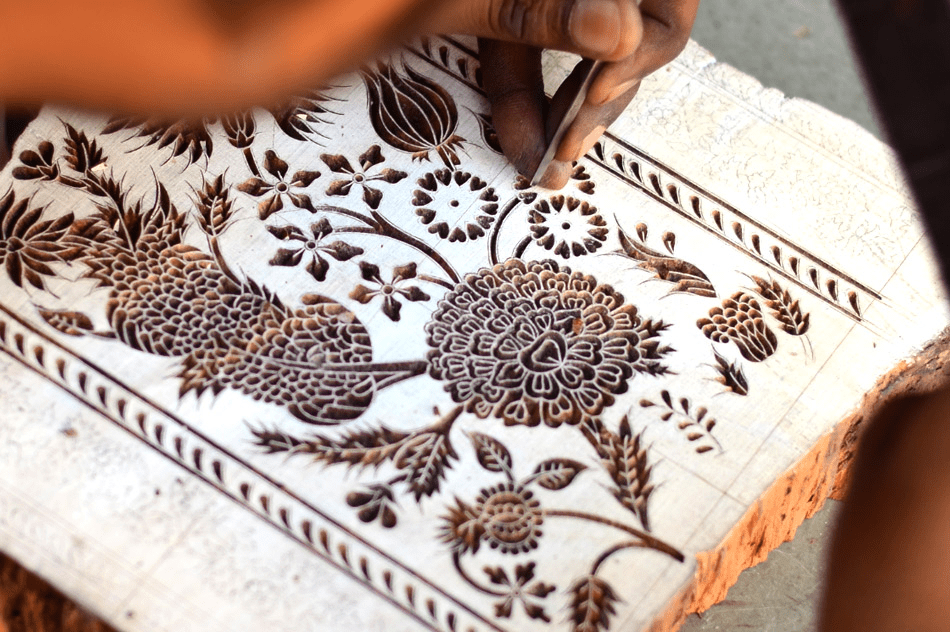
- Bagru and Sanganer (Rajasthan) — These centres are the heartland of hand block printing, where wooden blocks are hand-carved and dipped in natural dyes to produce intricately patterned textiles, reflecting Rajasthani aesthetics.
- Channapatna (Karnataka) — Known for its traditional wooden toys and lacquerware, Channapatna’s artisans blend craftsmanship with vibrant, eco-friendly dyes to create toys that have gained international appreciation.
- Kutch (Gujarat) — A diverse cluster famous for its elaborate embroidery, leatherwork, weaving, and the rare Rogan painting technique, which uses natural pigments to create vivid art on fabric.
The Cultural and Economic Importance of Craft Clusters
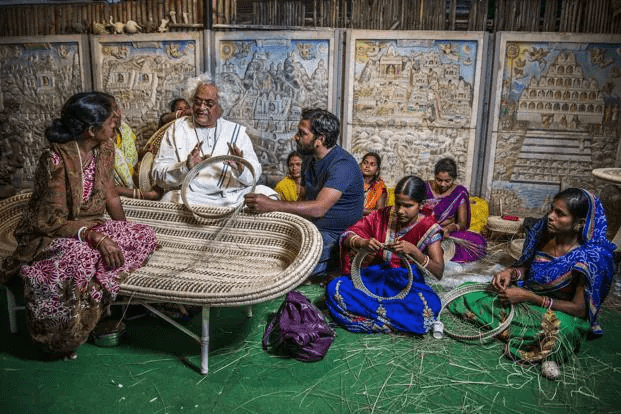
Craft clusters are vital for multiple reasons:
- Cultural Preservation: These clusters safeguard traditional knowledge systems that might otherwise vanish in the face of modernisation. They are custodians of community stories, rituals, and indigenous symbolism expressed through their art.
- Economic Livelihoods: For millions of artisans and their families, craft clusters provide the primary source of income. The crafts economy supports rural employment, especially for women and marginalised groups, thus fostering social equity.
- Sustainable Production: Many craft techniques rely on natural fibres, vegetable dyes, and manual labour, making them inherently sustainable and aligned with contemporary calls for eco-friendly fashion and slow living.
- Global Soft Power: Indian crafts are globally recognised as symbols of luxury and authenticity. They contribute to the country’s image in international markets, tourism, and cultural diplomacy.
Evolving Challenges: From Struggles to Existential Threats
Despite their rich heritage and significance, craft clusters have faced mounting challenges over decades — challenges that have worsened in severity and scope, pushing many clusters towards precarious futures.
1. Ageing Artisan Populations and Skill Drain
Traditional crafts have long been family professions, with knowledge transmitted orally and practically through generations. However, as younger generations migrate towards urban centres for education and jobs, the demographic profile of artisans has skewed older. The lack of youth interest in pursuing crafts—often due to perceived low income, social status, and limited growth prospects—means that many clusters are losing their lifeblood: skilled hands and innovative minds.
2. Market Access and Middlemen Exploitation
Historically, artisans depended on local markets and intermediaries for sales. Today’s globalised economy demands integration into complex supply chains and digital platforms. However, many artisans remain excluded from direct market access, relying heavily on middlemen who often exploit them by offering minimal prices. This economic imbalance discourages artisans and threatens craft continuity.
3. Low Profit Margins and Economic Unsustainability
The price disparity between the value of finished craft products and the earnings of artisans is stark. While finished textiles, home decor, and garments command premium prices in metropolitan and international markets, artisans receive only a fraction of this value. Coupled with rising raw material costs and limited bargaining power, many crafts have become economically unsustainable.
4. Obsolescence Due to Industrial Substitutes
Mass production and mechanisation have led to cheap imitations flooding the market, diluting the uniqueness of handmade crafts. Synthetic fibres, machine-made prints, and factory-produced goods offer fast, inexpensive alternatives, siphoning demand away from traditional products. This devalues craftsmanship and encourages a cultural amnesia about the origins and significance of handmade goods.
5. Loss of Cultural Identity and Heritage
As economic pressures mount, many artisans adapt their crafts to meet commercial demands, sometimes at the cost of authenticity and cultural symbolism. Designs may become simplified, techniques mechanised, or materials substituted, gradually eroding the traditional knowledge embedded in the craft. Over time, this risks turning vibrant cultural legacies into commodified souvenirs with little connection to their roots.
6. Lack of Technological Integration
The digital revolution offers unparalleled opportunities for craft clusters—but only a few have been able to tap into this potential. Most clusters lack:
- Access to digital literacy training
- Infrastructure like internet connectivity
- Tools to market products online
- Platforms for storytelling that connect with new-generation consumers
This digital divide keeps clusters isolated from emerging markets, especially the digitally savvy Gen Z consumers whose purchasing decisions often happen online.
Changing Nature of Challenges Over the Years
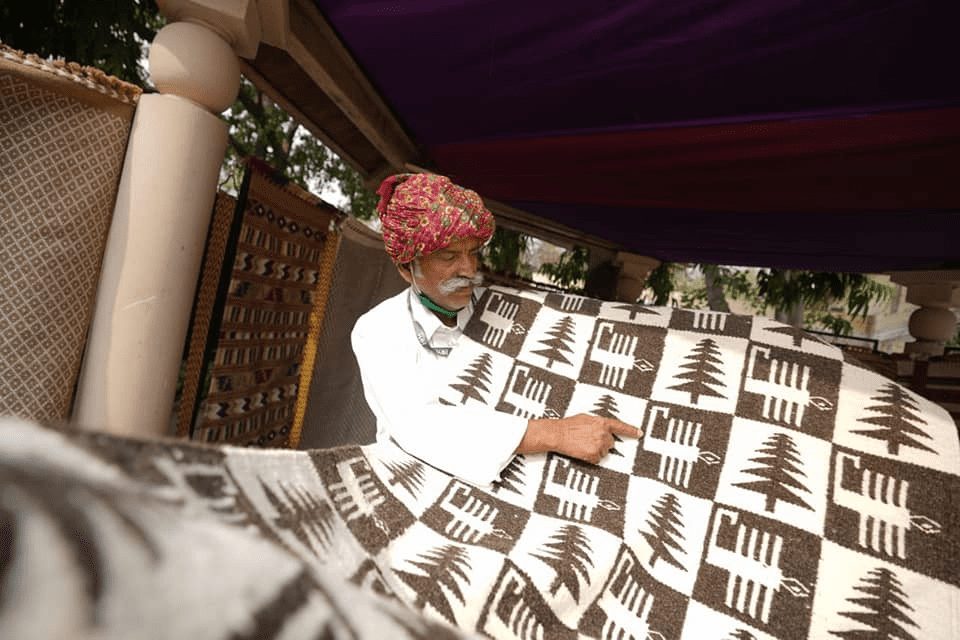
While these problems have always existed in some form, their intensity and complexity have escalated in recent decades due to:
- Globalisation: Opening markets also opened clusters to competition from cheaper global goods, sometimes leading to cultural homogenization.
- Urbanisation: Migration of youth and artisans to cities means clusters lose skilled manpower, disrupting traditional community-based production.
- Climate Change: Some clusters dependent on natural dyes and raw materials now face scarcity due to environmental changes.
- Consumer Behaviour Shifts: Fast fashion and digital consumerism prioritise novelty and speed over heritage and craftsmanship, challenging the relevance of slow, handmade production.
- Pandemics and Economic Disruptions: The COVID-19 pandemic exacerbated vulnerabilities by cutting off market access and mobility, pushing many artisans into financial crisis.
Why Gen Z’s Role is Crucial Now More Than Ever
Given this backdrop, the emergence of Gen Z offers a rare opportunity for rejuvenation. Their values align with the ideals of handmade craft—authenticity, sustainability, and cultural respect—while their digital fluency can help artisans break free from traditional constraints.
By forging a dynamic, intergenerational partnership, craft clusters can:
- Retain artisanal identity while innovating for contemporary relevance
- Leverage digital storytelling and e-commerce to bypass exploitative intermediaries
- Attract young consumers and creators to appreciate, collaborate, and co-create
- Secure fair wages and sustainable livelihoods for artisans
- Preserve intangible heritage in accessible, documented, and living forms
Gen Z: The Cultural Curators of the Digital Age
Unlike millennials or older generations, Gen Z’s engagement with fashion, decor, and consumption is rooted in purpose-driven behaviour. Several trends position Gen Z as ideal stewards for the revival of Indian crafts:
- Conscious Consumerism
Gen Z is 72% more likely than older generations to purchase from brands that reflect their values. They support fair trade, upcycling, local artisans, and transparent supply chains. Crafts rooted in sustainable practices naturally align with these values.
- Digital Natives with Global Reach
This generation is fluent in:
- Instagram storytelling
- Tiktok trend cycles
- Etsy entrepreneurship
- Pinterest moodboarding
They not only consume aesthetically pleasing content but also generate it, turning small brands and causes into viral phenomena overnight. Craft products, with their rich visual textures and backstories, are ideal for this digital culture.
- Cultural Hybridity
Gen Z is simultaneously global and local. They love fusion—traditional textiles styled in contemporary silhouettes, hand-carved home decor mixed with modern minimalism. Craft clusters can evolve their offerings to reflect this duality, while retaining their essence.
Bridging the Gap: Digital-Physical Synergy
For the relationship between craft clusters and Gen Z to be fruitful, there must be meaningful collaboration. Several models are proving successful:
- Artisan x Designer x Influencer Collaborations
Startups like Okhai, Bunaai, Jaypore, and The Loom curate traditional crafts with modern design sensibilities. Gen Z influencers partner with these platforms, using their social capital to showcase handmade stories.
Similarly, collaborations with NIFT/NID alumni, or design studios allow artisans to access urban design language while retaining technique authenticity.
- Skill Mapping and Digital Archives
Organisations like Dastkari Haat Samiti and Crafts Council of India are digitising techniques, motifs, and tools to preserve knowledge and aid remote learning. Creating VR/AR tutorials, YouTube storytelling series, or Pinterest pattern boards can appeal directly to Gen Z creators and fashion designers.
- E-Commerce & Mobile Marketplaces
While artisans often struggle with direct market access, Gen Z entrepreneurs can co-create mobile-friendly microstores for clusters—leveraging Shopify, Instagram Shops, and WhatsApp Business. Smart tagging, SEO, and visual storytelling turn static inventory into living culture.
- Internships & Residencies in Craft Clusters
Programs like Kala Raksha Vidhyalaya (Kutch) and Srishti Institute’s Craft Design programs enable Gen Z students to spend immersive time in clusters. These experiences help them internalise cultural nuances, build friendships with artisans, and co-create products rooted in respect and reciprocity.
Case Studies: Gen Z Impact in Action
The Khatris of Ajrakhpur & Instagram Rebirth
A young photographer documented the intricate Ajrakh block printing of the Khatri family and shared it via reels, attracting over 50,000 followers to their family-run page. Now, they ship globally through DMs and run dyeing workshops for students.
Himadri Hans Handlooms & Student-Led Branding
A group of Gen Z NIFT students collaborated with weavers in Uttarakhand to create a new line of pashmina-based stoles with gender-neutral designs. Their online campaign helped the cluster earn revenue 3x more than the previous season.
Challenges to Address
Despite the success stories, several systemic challenges remain:
- Language & Technological Barriers: Most artisans are not fluent in English or tech interfaces. Translators and simple mobile tools must be integrated.
- Fair Wage Distribution: Middlemen must be replaced with direct-to-consumer models, ensuring fair compensation.
- Cultural Sensitivity: Gen Z must be trained to collaborate, not appropriate. Fusion should not dilute the story.
- Policy Support: Government programs like ODOP (One District One Product) and Ambedkar Hastshilp Vikas Yojana must partner with digital youth leaders.
Conclusion: A Future Rooted in Craft and Code
The future of India’s craft clusters hinges on much more than simple revival—it demands thoughtful reinvention that honours tradition while embracing innovation. These clusters are not static relics of the past but dynamic cultural ecosystems that can flourish anew through symbiotic relationships with the emerging generation of digital natives.
Gen Z, with their unique blend of aesthetic literacy, technological fluency, and cultural curiosity, holds the key to this transformation. They are positioned to become the custodians and collaborators who bridge the gap between age-old artisan knowledge and the possibilities of the digital age. Yet, for this potential to be realised, it is imperative to build inclusive ecosystems—spaces where artisans can share their expertise, experiment alongside young creators, and co-develop new narratives and products that resonate across global markets.
This vision calls for more than a surface-level digital transformation. What craft clusters require is a dignified digitisation—a careful integration of technology that preserves the intrinsic soul and nuanced craftsmanship of handmade traditions while enabling the reach, speed, and accessibility of digital platforms. Such an approach respects the artisans’ legacy, safeguards their cultural identity, and amplifies their voices on international stages.
Craft clusters possess remarkable resilience and adaptability. Their stories, skills, and spirit need not be confined to fading memories or dusty archives. With Gen Z as active allies, these narratives can reverberate far beyond their places of origin—through viral hashtags, contemporary fashion runways, virtual marketplaces, and the homes of global consumers seeking authenticity and meaning in what they wear and use.
Ultimately, the future of Indian craft clusters is a harmonious fusion of craft and code, tradition and technology, heritage and innovation. By fostering this fusion, we not only preserve invaluable cultural legacies but also create vibrant, sustainable livelihoods and a globally resonant creative economy—ensuring that the art of handmade India continues to inspire, enrich, and evolve for generations to come.