Pooja Sawant Co Founder
Swizuka RecyWeave Textile LLP is a sustainability-focused enterprise dedicated to transforming textile waste into valuable products. Through their recycling process, they convert discarded fabrics into fibres that are repurposed into new, eco-friendly materials. As part of their commitment to responsible waste management, Swizuka offers a Responsible Resource Management Certificate to organisations that collaborate with them, ensuring traceability and validating their sustainability efforts.
In addition to their recycling initiatives, Swizuka also engages in upcycling, creatively transforming textile scraps into high-quality, unique products such as home furnishings and fashion accessories.
This method adds value without additional resource consumption, further minimising waste.
Swizuka empowers rural women artisans while contributing to a circular economy for a greener, more sustainable future.
TVC Media Team had the opportunity to interview Dr Aligina Anvitha Sudheshna, Co-Founder of Swizuka. As a Co-Founder, Dr Sudheshna leads initiatives to create a sustainable environmental footprint by transforming textile waste into valuable products. She oversees product design, quality, and procurement, collaborating with artisans to craft eco-friendly solutions. Her role also includes working with organisations on upcycling, reducing carbon footprints, and raising awareness of sustainable practices. Swizuka provides Responsible Resource Management certificates to partners, recognizing their commitment to sustainability and ethical waste management.
What inspired you to start Swizuka RecyWeave Textile LLP, and how does your personal journey influence the Company’s mission?
Having pursued both my master’s and PhD in textiles and apparel design, I gained deep insights into the industry and its practices. During my studies, I realised the immense amount of textile waste generated throughout the design and manufacturing process. This waste is often discarded without a second thought. My research extended into areas like microfiber pollution and the environmental impact of textile production, which only strengthened my resolve to address this issue.
A pivotal moment for me was recognizing that even with the growing emphasis on energy efficiency, eco-friendly fibres, dyes, and sustainable practices, if a garment ends up in a landfill after just a few wears, it negates all the efforts invested in creating a sustainable product. That’s a waste of not only our resources but the Earth’s resources as
well.
So instead of following the conventional path into manufacturing, I chose to address the problem of textile waste head-on. This realisation became the driving force behind Swizuka RecyWeave Textile LLP. Our mission is to close the loop by turning waste into resources, ensuring that sustainability doesn’t stop at the production phase but carries
through the entire lifecycle of a product. We aim to create a future where waste is minimised and every fabric has a second life, ensuring that fashion can be both beautiful and responsible.
Can you elaborate on the specific upcycling and recycling techniques you employ, and how they contribute to sustainability in the textile industry?
At Swizuka, we focus on both upcycling and recy cling to extend the life cycle of textiles and reduce waste. Our approach involves several techniques: 1. Upcycling: We take discarded fabrics, textile scraps, and off-cuts from manufacturing processes and transform them into new, high-quality prod ucts. This process involves creative techniques such as patchwork, fabric layering, and artistic embellishments, turning what would otherwise be waste into unique, one-of-a-kind items like bags, home décor, and accessories. By doing this, we’re not only diverting textile waste from landfills but also minimising the need for new raw materials.
2.Recycling: We collect post-consumer textile waste, such as old clothes and used fabrics, and recycle them into fibres & yarn. This is done through mechanical recycling, where fabrics are shredded and spun into new fibres. These fibres can then be used to create new products. This process significantly reduces the demand for vir gin resources like cotton or synthetic fibres, which are resource-intensive to produce.
3. Waste Reduction in Design: One of our key techniques involves designing products with minimal waste generation in mind. We utilise zero-waste pattern techniques, ensuring that every inch of fabric is used effectively. This approach not only reduces the amount of waste generated but also contributes to a more efficient and sustain able production process.
Additionally, to enhance our commitment to circularity, we include a thank you card with every product made through upcycling. The card en courages customers to return the items after use in exchange for a small discount on their next pur chase. This allows us to reclaim materials, further reducing waste and extending the life cycle of our products.
By implementing these upcycling and recycling techniques, we help reduce the strain on natural resources, cut down on greenhouse gas emissions, and minimise energy and water consumption associated with textile production. We’re contributing to a circular economy in the textile industry, where products are reused and repurposed rather than discarded, ultimately reducing the industry’s environmental footprint.
How do you measure the environmental impact of your operations, and what metrics do you use to track progress towards sustainability goals?
Measuring our environmental impact is essential to ensuring that we meet our sustainability goals. We use several key metrics to track our progress, and we’re continually working to improve our data collection and monitoring systems for enhanced transparency.
1.Waste Diverted from Landfills: So far, we’ve successfully diverted over 200 kg of textile waste from landfills by upcycling and recycling discarded fabrics and post-consumer textiles. This waste, which would otherwise contribute to environ mental pollution, is transformed into high-quality, reusable products.
2.Water and Energy Savings: By using recycled fabrics instead of virgin materials, we estimate significant resource savings. On average, recycling textiles can save up to 20,000 litres of water for every kilogram of fabric, meaning our operations have potentially saved around 4 million litres of water. Similarly, energy consumption is greatly reduced by avoiding the production of new fibres.
3.Carbon Footprint Reduction: With our cur rent waste diversion and recycling efforts, we estimate a reduction of approximately 0.6 tons of CO2 emissions per 100 kg of recycled textile. This means we’ve potentially reduced around 1.2 tons of CO2 emissions through our recycling initiatives.
4.Circularity and Product Lifespan: We promote circularity by encouraging customers to return our upcycled products after use, offering a dis count on their next purchase. This helps us reclaim materials, further extending the life cycle of each product. This helps us measure our success in promoting circularity.
5.Social Impact: Sustainability for us also means social impact. We work with rural women artisans, and we measure our social sustainability by tracking the number of artisans employed, the skills development programs we offer, and the improve ment in their economic conditions. Empowering local communities through sustainable practices is central to our mission.
While these metrics are critical, we are actively working on improving our data monitoring and metrics system to provide even more precise and transparent insights into our environmental and social impact. We are planning to share our yearly Sustainability Report soon, in consultation with experts. This will allow us to provide detailed, verified data on our progress and goals, ensuring transparency with all our stakeholders.
What challenges have you faced in empower ing rural women artisans, and how have you addressed them?
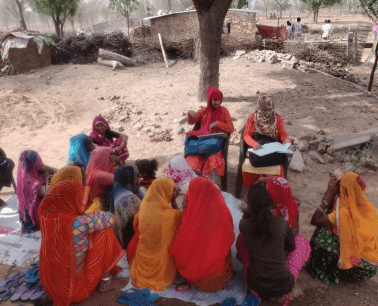
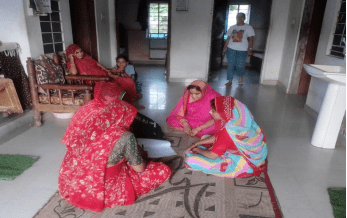
Empowering rural women artisans has been both fulfilling and challenging. One of the key challenges has been providing proper skill development and training, especially since many of these women had little to no formal experience in textile pro duction. We’ve taught them crucial skills, including how to sort textile waste, careful removal of trims and accessories added to the apparel which is essential for identifying fabrics that can be upcycled or recycled, and how to classify materials based on quality and usability. Along with sorting, we’ve also trained them in stitching, upcycling, and other textile techniques through hands-on workshops. Access to resources and infrastructure was an other hurdle, so we established localised production hubs equipped with the necessary tools and materials.
Additionally, we’ve worked to overcome cultural and social barriers that restrict women’s participation in employment by creating a flexible work environment and engaging with community leaders to support women’s empowerment.
Finally, ensuring consistent demand for the products they create is key to providing a stable in come, which we’ve addressed by diversifying our product offerings and building partnerships with retailers and corporate clients who value sustain ability. Despite these challenges, our efforts have been fruitful in some areas and some require further training with the professionals. These efforts are ultimately contributing meaningfully to their families and communities.
In what ways do you collaborate with fashion brands and retailers to promote circular economy practices?
Our collaboration with fashion brands and retailers is focused on fostering circular economy practices that not only benefit the environment but also enhance their business models. For fashion brands, we assist them in closing the loop by providing recycling solutions that allow them to effectively manage their textile waste. We offer take-back programs where customers can return used products, which we then upcycle into new items. In addition, we provide brands with certificates that track their environmental metrics, helping them demonstrate their commitment to sustainability and enabling them to report on their progress transparently. This partnership allows brands to strengthen their sustainability credentials and ap peal to eco-conscious consumers.
For retailers, we are trying to supply a range of upcycled products that align with their sustainability goals and cater to their customer base’s de mand for environmentally friendly options. These products include tote bags, home decor items, and accessories, all crafted from textile waste. We also engage retailers in initiatives that encourage consumer participation in circular practices, such as discount programs for customers who return items for recycling. Through these collaborations, we not only promote responsible consumption but also help brands and retailers enhance their sustainability efforts, driving positive change in the textile industry and contributing to a more circular economy.
How does your team ensure that the products created from recycled materials maintain high quality while being eco-friendly?
We are committed to ensuring that our eco-friendly products made from recycled materials not only meet sustainability standards but also maintain high quality. To achieve this, we actively work with deadstock and rejected printing stocks, where we source fabric metres that are often overlooked. This allows us to utilise materials that would otherwise contribute to waste.
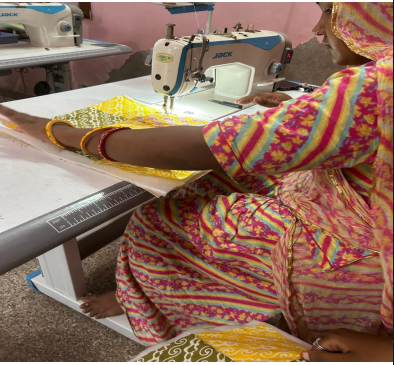
In our production process, we carefully evaluate the cuttings we receive. These cuttings vary in size and orientation, with some being larger while others are smaller and not aligned with the grain line. We selectively choose the cuttings that are in the grain line to ensure structural integrity and strength in our finished products. This attention to detail helps us create durable items that can withstand regular use. Additionally, we focus on high stitch quality and finishing techniques to en hance the overall appearance and longevity of our products. We are training our artisans in precision stitching and finishing methods, ensuring that every product reflects our commitment to quality craftsmanship. By combining thoughtful material selection with skilled production practices, we suc cessfully create high-quality, eco-friendly products that our customers can trust.
What role does technology play in your recy cling processes, and how do you stay updated with advancements in sustainable practices?
Technology plays an essential role in enhancing the efficiency of our recycling processes. While we currently use manual techniques for sorting textile waste, we are exploring machinery that will allow for more precise and efficient sorting. By inte grating automated systems, we can ensure better material selection and classification, enabling our manpower to work more effectively and focus on other aspects of recycling. This shift will not only improve the speed and accuracy of sorting but also enhance our capacity to process larger volumes of textile waste.
In addition, we are focused on improving trace ability throughout our operations. By utilising digital tools and technology, we can track textile waste from the point of collection to its transformation into upcycled or recycled fibres and products. This enables us to ensure transparency in our supply chain, offering our customers and partners a clear understanding of the journey from waste to final product.
We stay updated on advancements in sustainable practices by engaging with industry experts, at tending conferences, and participating in work shops that highlight the latest innovations in textile recycling. Additionally, we are in the process of collaborating with universities, research institutions, and sustainability-focused organisations to adopt cutting-edge technologies and ensure that our processes are aligned with global standards and compliance requirements.
Can you discuss any partnerships or community engagement initiatives that have significantly impacted your business model?
One of the most significant aspects of our work is our collaboration with rural women artisans. By providing them with skill development training, we not only empower them economically but also incorporate their craftsmanship into our upcy cling processes. This community engagement has allowed us to create high-quality products while fostering social impact by uplifting marginalised communities.
We are also establishing partnerships with educa tional institutions, where we conduct textile waste collection drives and sensitization programs. These collaborations help raise awareness about textile waste and its environmental impact, while also providing us with a steady supply of materials to be recycled or upcycled. Our partnerships with schools and universities have helped shape our circular business model by integrating education with sustainability.
We are also in talks with several fashion brands and retailers to promote circular economy practices. These partnerships enable us to provide sustainable solutions through upcycled products and offer take-back programs that encourage customers to return used items for recycling. This collaborative approach helps close the loop in the fashion and textile industry, making sustainability a shared goal.
Through these partnerships and community-driv en initiatives, we’ve been able to align our busi ness model with both environmental and social goals, creating a more holistic approach to sus tainability.
What are your long-term visions for Swizuka, particularly regarding its contribution to a zero waste model in the textile industry?
Our long-term vision is to drive the textile industry towards a zero-waste model. We aim to create a fully circular ecosystem where every piece of textile waste can be repurposed, recycled, or upcycled into valuable products. Our goal is to drastically reduce the amount of textile waste that ends up in landfills, ensuring that every fabric, no matter how small, contributes to a sustainable product lifecycle.
To achieve this, we plan to scale our operations by integrating advanced sorting and recycling tech nologies, allowing us to process larger volumes of textile waste more efficiently. Additionally, we envision expanding our collaborations with fash ion brands and retailers, offering them solutions to recycle their deadstock and returns, and imple menting take-back programs for consumers. This will help us create a closed-loop system where textile waste is continuously reintroduced into the production cycle.
We also aspire to enhance our engagement with communities by promoting sustainable fashion practices and raising awareness about textile waste. Through educational programs, workshops, and partnerships, we aim to foster a culture of responsibility and mindful consumption.
In the long term, we plan to establish Swizuka as a zero-waste brand, one that transforms waste into resources. We are committed to measur ing our impact through data-driven metrics and continuously refining our processes to ensure that our contribution to a zero-waste model becomes more significant with each passing year.
How do you see the future of sustainability in fashion evolving, and what role do you hope Swizuka will play in that landscape?
The future of sustainability in fashion is evolving as consumers, brands, and regulators increasingly demand eco-friendly practices, transparency, and circular models that minimise waste. We foresee greater adoption of sustainable materials, like or ganic fibres and biodegradable alternatives, along with an increased emphasis on reducing carbon footprints and water usage. Brands will likely turn to advanced recycling technologies, supply chain transparency tools, and eco-certifications to en sure their environmental impact is measured and mitigated.
We aim to divert a significant portion of textile waste from landfills by expanding our recycling and upcycling capabilities. For instance, we’ve already collected over 200 kg of textile waste, and we plan to scale this figure to 10,000 kg in the coming years as we streamline our processes. Through our collaborations with fashion brands, we envision helping companies reduce their waste by 30-50% annually by integrating take-back pro grams and upcycling initiatives.
As part of our contribution to a circular fashion economy, we will continue to focus on designing products with durability and recyclability in mind. We also plan to launch a yearly sustainability report, where we will provide detailed data on our waste reduction, energy savings, and environmental impact metrics, in consultation with experts.
In the long term, our ultimate goal is to increase our textile waste recovery rate by 80% while con tributing to the broader global movement towards sustainable fashion and reduced environmental footprints.