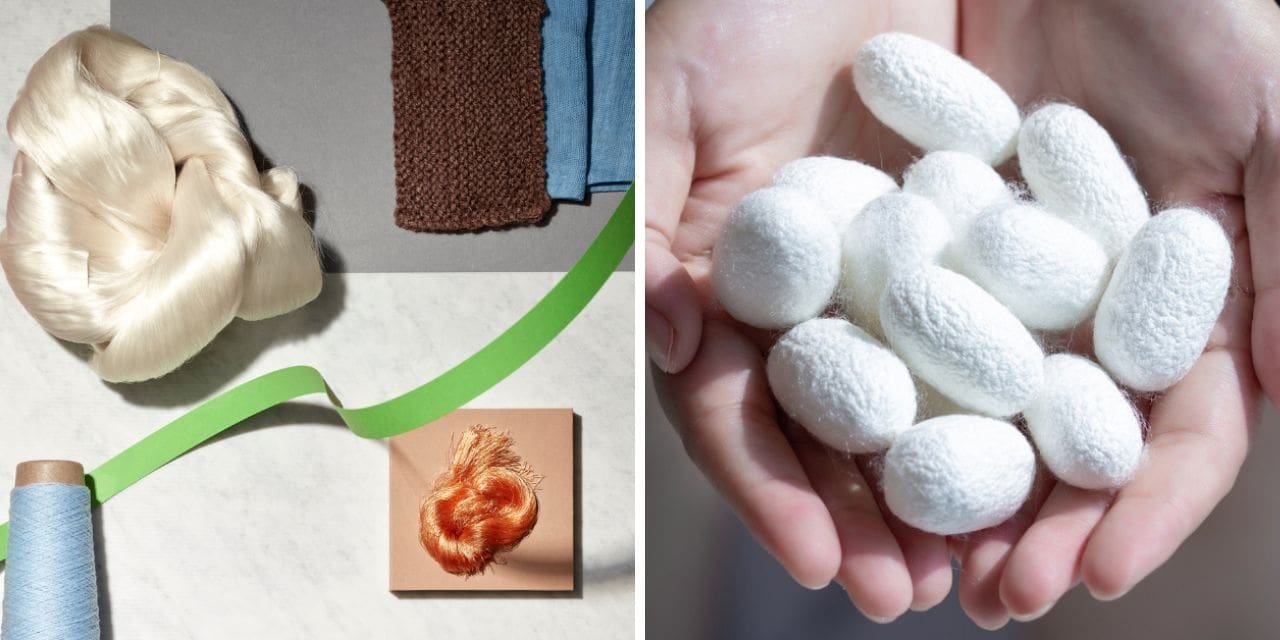
With plant-based solutions, designers and marketers are increasingly harnessing the power of nature to make the world safer, healthier, and more sustainable.
It is well known that the fashion business is at the forefront of innovation. The fast growth of textile technology and innovations has made it possible to conduct investigations and implement futuristic solutions that improve the world on which we live.
Regarding the design, production, distribution, and marketing of our apparel and accessories, as well as the textile technology that gave rise to the garment, the fashion industry is forward-thinking and consumer-focused.
More than ever, companies and designers are harnessing the power of nature to use plant-based technologies to make the world safer, healthier, and more sustainable.
We explore the latest technologies leading textile innovation andfive new plant-based sustainable innovations in fabric technology set to impact the fashion industry.
RECYCLED FABRICS THAT FIGHT PLASTIC POLLUTION
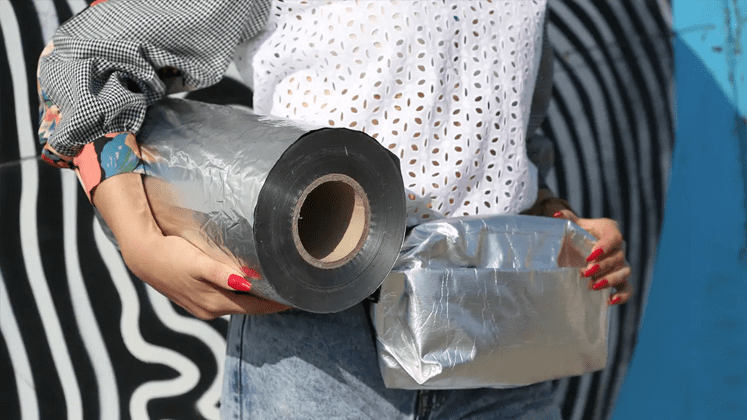
There are currently an astounding 8.3 billion tons of plastic in the globe, and everyone is aware of the material’s dangerous and harmful effects on the land, air, and water.
However, the fashion industry’s latest textile innovations are saving the day with anti-plastic pollution solutions.
Remeant converts single-use packaging plastic, which is mostly made from industrial waste from manufacturers, into sustainable fabrics that may be used to make stylish clothing and household goods. Other companies are converting plastic bottles into yarn that has several use.
Reusing plastic helps brands address a persistent danger to our world. Given the existence of plastic, recycling it into something useful helps keep it from being dumped in landfills.
3D PRINTED CLOTHING

The ability to print one’s own clothes is becoming a reality thanks to 3D printing, which is developing quickly and becoming more and more well-liked, particularly in the fashion apparel industry.
At the touch of a button, hitherto unimaginable forms and geometries may now be created, as well as materials that resemble leather and fur.
Deadstock textiles don’t need to be stacked around thanks to this ecological strategy, which also results in little to no waste. With only a button click and a fraction of the time and effort needed to sew and manufacture a garment by hand, it is now feasible to print materials that resemble leather and fur as well as create previously unheard-of forms and geometries.
VIRTUAL CLOTHES

As digital technologies and the metaverse have grown in popularity, manufacturers have begun to adopt virtual solutions that let customers virtually try on clothing.
By entering basic data into an app, including gender, height, and weight, one can now not only see how the clothes would seem digitally, but also feel the fabric of the garment through the screen alone.
This may lessen reliance on sample parts in the future, which would lower deadstock.
TECHNOLOGIES THAT TURN PLANT-BASED AND PLASTIC WASTE RESOURCES INTO NEW TEXTILES

Laws and public indignation have sparked a global exodus from leather and fur, and as a result, designers and businesses are now aggressively investigating Gen-Next materials that provide superior substitutes for these environmentally damaging materials.
Making the switch to eco-friendly fabrics is now simpler than ever before thanks to the quick advancement of textile technology. Businesses all across the world are investigating fruit-based materials, cactus-based leather, and even reviving single-use plastic.
Making the switch to eco-friendly fabrics is now simpler than ever before thanks to the quick advancement of textile technology. Businesses all across the world are investigating fruit-based materials, cactus-based leather, and even reviving single-use plastic. There are many different types of plant-based leather textiles on the market right now to fit any kind of product.
DIGITAL TEXTILE LIBRARIES FOR DESIGNERS

Nowadays, designers and businesses can find nearly any cloth online thanks to digitalization. Every day, a large number of new textile and material libraries are created, which helps market participants focus their search.
Given the rising investments in textile technology, this makes logical. Finding a means to stay up with the quick changes and show how the materials seem and feel in real life is the biggest problem facing those libraries. Also, since the pandemic, many exhibitions have become digital and people can virtually attend and see the most updated designs directly on their screen while sitting in their living room.
Five new plant-based sustainable innovations in fabric technology
In addition to the aforementioned, Moonlight solutions has introduced five new plant-based, carbon-negative, sustainable textile solutions to the market.
The future of fashion might be drastically altered by these advances.
In collaboration with a company developing plant chemistry for various uses, Allie Sutton, CEO of Moonlight Technologies, and Dr. Phyllis Levine, Global Medical Director at Moonlight, a Gynecologic Oncologist with a degree in Materials Science and Engineering from M.I.T.
“Natural dyes and non-washable products are the way of the future for fashion,” Sutton stated. When further treatments and finishings are put to cloth after it has been dyed, the self-cleaning technologies are used. According to Sutton, businesses from all over the world are already lining up to purchase Moonlight Technologies’ plant-based invention, which harnesses the force of nature to build a more sustainable, safe, and healthier society.
The five technologies are as follows:
Eco Armor
One of the world’s first sustainable, air, plastic and fabric antimicrobial technologies that kills 99.9 percent of bacteria and viruses, mould and fungus.
Insect Proof
A plant-based and permethrin-free bug repellent technology for fabrics, skin and hard-goods.
Mindfully Clean
A self-cleaning fabric technology which allows products treated with it to stay fresh and clean regardless of use and rarely needing to be washed.
Odour Safe
A plant-based technology which permanently destroys and eliminates bad odours on fabrics.
Natural Dyes
A complete range of sustainably derived, non-toxic, biodegradable colorants for hard goods and textiles.
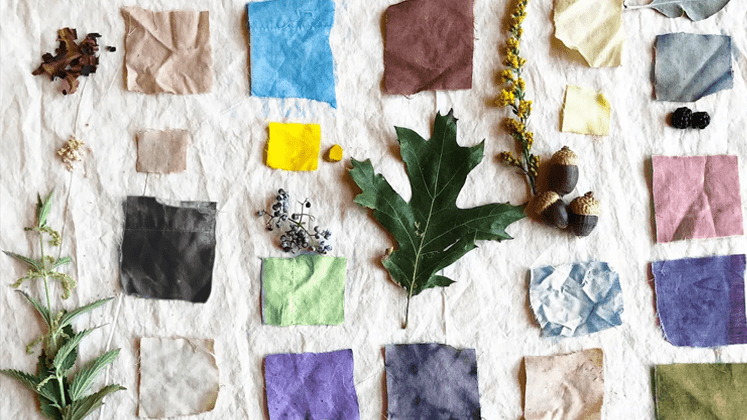
First discovered in the 1850s, synthetic dyes were valued for their ability to be mass produced and colour textiles vibrantly, but they contain toxic chemicals that are harmful to the environment. Natural dyes which are non-allergenic and derived from plants, trees, flowers and fungi, are safe for both the planet and people.
These plant-based sustainable innovations in fabric technology could transform apparel, uniforms, home textiles, air filtration, travel, hospitality products, fitness equipment, electronics, furniture, paint and more.
All the technology can be applied to any fabric type, both synthetic and natural.
Those who work with natural dyes know it’s almost impossible to get true dark colours, but Moonlight Technologies can offer a full range of natural dyes extracted from plants including one of the first natural blacks that does not come from charcoal.
While Sutton’s career has been based in the fashion industry, he is excited to make these sustainable solutions available to all fields of business. They could transform apparel, uniforms, home textiles, air filtration, travel, hospitality products, fitness equipment, electronics, furniture, paint and more.