Image Credit: Unsplash
A smooth checkout is that final, crucial moment in a customer’s journey with your fashion brand. For today’s retailers, the tech behind that transaction can either build loyalty or create a snag that sends shoppers looking elsewhere. In a competitive market, relying on separate sales and payment systems that don’t talk to each other is a major hurdle, and many businesses are now working to fix it.
When your point-of-sale (POS) system and payment terminal aren’t connected, it creates unnecessary headaches for both your team and your customers. It’s not like the smooth experience you get with digital rupee payments. This disconnect is a common source of operational pain that can quietly erode your store’s profits and reputation.
The Challenge of Disconnected Systems
If your POS and payment processing systems don’t communicate, every single sale means extra manual work. An employee rings up items at the POS, then has to turn to a separate card terminal and enter the exact same total. This simple, repeated action is surprisingly risky. It leaves room for human error, where a mistyped amount could lead to an overcharge, an undercharge, or a declined transaction that really frustrates the customer.
And when the day ends, the problems just pile up. A manager has to manually compare the POS sales reports with the batch reports from the payment terminal. Finding and fixing any differences takes a lot of time and pulls staff away from more valuable tasks, such as arranging displays or helping customers. This disconnected process also makes it nearly impossible to get a clear, real-time picture of how your business is actually doing.
Benefits of a Unified Payment Solution
An integrated system fixes these issues by creating one smooth workflow. When your POS and payment terminal are linked, the sales total automatically syncs between them. This eliminates typing errors, speeds up the checkout process, and ensures every transaction is recorded correctly.
These integrated payment systems help prevent errors and bring all your transaction data together in one place, which provides you with a unified source of business insights. You can instantly see what’s selling, track sales trends by the hour, and manage your inventory with much better accuracy. This automation frees your team to focus on what they do best: delivering an amazing experience to your customers.
Choosing the Right Merchant Account Partner
When choosing a payment partner, find a provider that will act like a tech partner and help you build a system that supports your growth. When you’re looking at options, find a company that offers strong integration capabilities with your current POS software or provides an all-in-one solution.
Think about their support and how they can help you grow. As your boutique expands, you might want to add e-commerce, mobile POS for pop-up events, or new ways for customers to pay. A good partner will offer flexible merchant account services from North that can adapt as your business needs change. Don’t underestimate how valuable it is to have one go-to person for all your payment questions and technical help.
Enhancing Customer Experience and Security
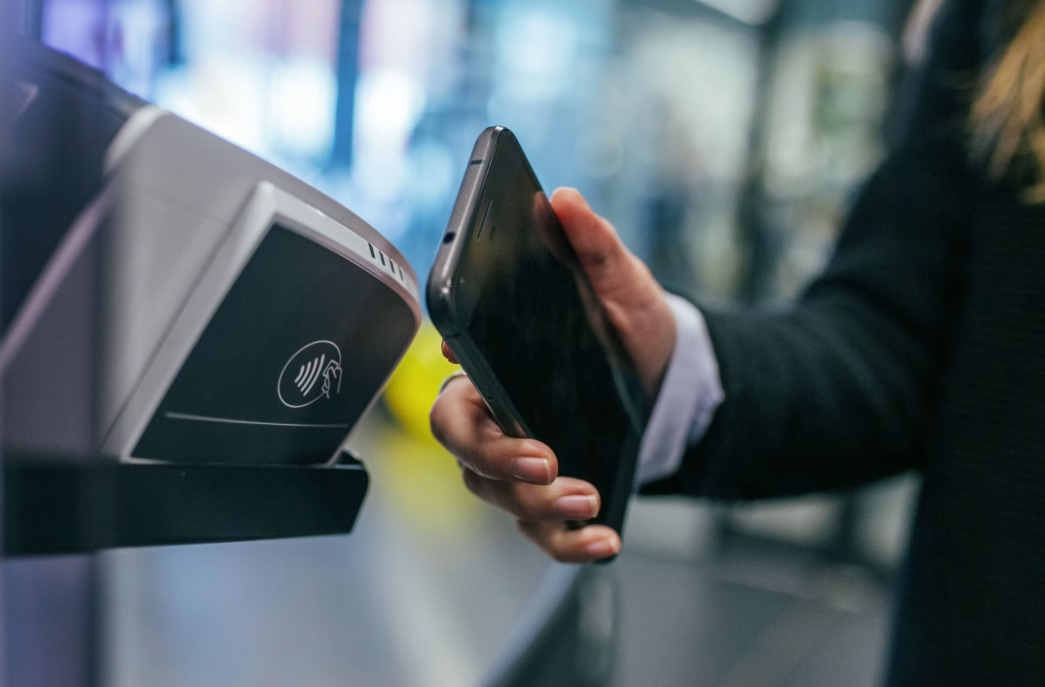
For your customers, the benefits of an integrated system are clear right away. Checkout is faster and smoother. They get more ways to pay, whether it’s tapping a contactless card or using a mobile wallet on their phone. This kind of convenience is now something many shoppers expect, and not offering it can make a brand feel a bit outdated.
Beyond just speed, integration is super important for security. Modern payment solutions are built to comply with the latest Payment Card Industry Data Security Standard (PCI DSS) requirements, which protect sensitive customer information. An integrated system greatly reduces the risk of a data breach by encrypting card data the moment it’s captured, making sure it never touches your main POS system or network without being encrypted. This gives both you and your customers confidence in every single transaction.
Simplifying Operations, Boosting Efficiency
The overall result of an integrated payment system is a significant boost in operational efficiency. Daily reconciliation becomes a quick, automated check rather than a manual accounting task. Training new staff is simpler because they only need to learn one easy-to-use system. Inventory management becomes more accurate and reduces the risk of running out of popular items or overstocking items that don’t sell.
This new efficiency directly impacts your bottom line. Less time spent on administrative tasks means more time for activities that actually bring in revenue. Better data leads to smarter buying decisions. Faster checkout lines mean happier customers and a greater ability to handle busy shopping periods without overwhelming your team. Ultimately, it lets you run a leaner, more flexible, and more profitable retail business.
Integrating your payments is a fundamental business strategy that can streamline your back-end operations, improve the front-end experience, and set your fashion business up for success.