
Ms Dhruti Sanghvi, Post-Graduate Academic Scholar in Fashion Management, National Institute of Fashion Technology, Ministry of Textiles, Daman campus.
In the serene, snow-laden valleys of Ladakh, a material finer than silk and warmer than wool has been woven for centuries — Pashmina. Harvested from the undercoat of the rare Changthangi goat and hand-spun on traditional charkhas, this fabric is a living testament to India’s artisanal legacy. With a single shawl often taking over 300 hours to make, Pashmina is not merely a textile — It is cultural continuity wrapped in soft gold. Once worn by emperors and passed down as heirlooms, this luxurious wool is now finding resonance far from its Himalayan roots. Global luxury house Valentino, renowned for its avant-garde silhouettes and Italian elegance, is quietly exploring collaborations with India’s Pashmina ecosystem. While not publicly declared, insiders at major global textile events like Première Vision Paris and India Tex have reported Valentino’s sourcing teams showing strong interest in GI-certified Pashmina samples from Kashmir and Ladakh, highlighting the brand’s growing alignment with heritage-rich, sustainable materials.
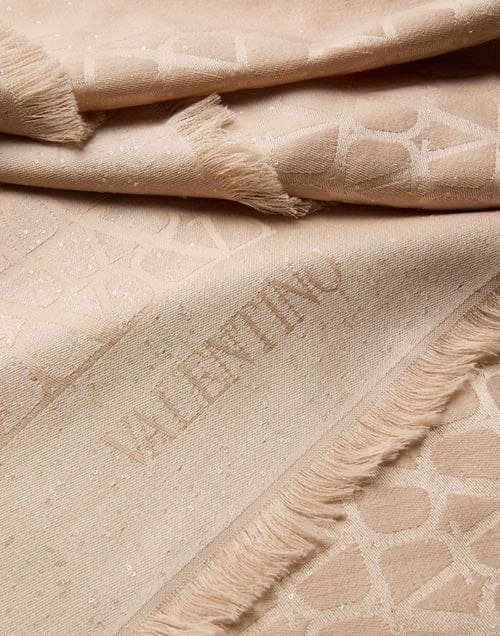
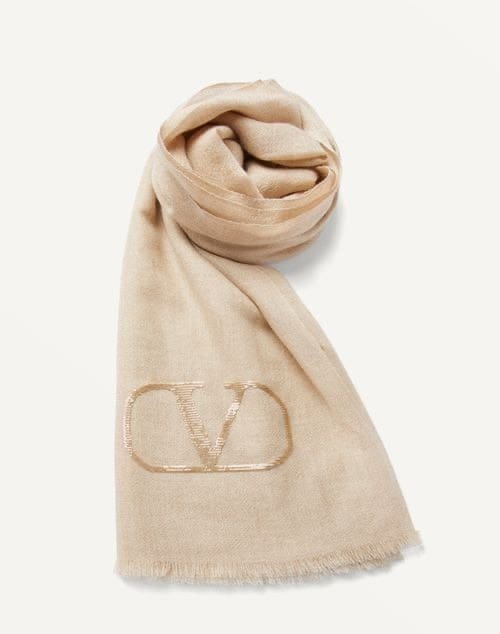
This subtle yet strategic move is reflective of a broader shift in the luxury fashion narrative. Valentino’s exploration into Pashmina fits into its larger ethos of embracing artisanal and sustainable luxury. Rather than flashy collaborations or mass-market collections, the brand appears to be engaging in research-driven sourcing — experimenting with limited-edition stoles and shawls woven from ethically certified Indian Pashmina yarns. This approach underscores the growing consumer preference for meaningful fashion — where craftsmanship, provenance, and ethics are valued as much as aesthetic appeal. The Indian government’s initiatives such as GI tagging, digital traceability systems, and sustainability partnerships have only strengthened Pashmina’s credibility on the global stage, making it a material of choice for designers who seek purpose-driven luxury.
This emerging connection between Valentino and Indian Pashmina is more than a cross-cultural collaboration, it is a revival of heritage in the modern luxury space. As the global textile market moves towards authenticity and slow fashion, materials like Pashmina are being reimagined not just as fabrics but as stories waiting to be worn. In 2024, Valentino’s research team attended exclusive handloom showcases in Milan and Delhi, evaluating Indian fabrics like Pashmina and Eri silk — a clear indicator of interest. For the weaver in Ladakh whose skill is passed down through generations and the designer in Milan who sketches with a commitment to timeless beauty, this partnership is a meeting of legacies. With the global luxury textile market projected to cross USD 35 billion by 2026, such collaborations mark a turning point — where age-old traditions and haute couture intertwine, proving that the future of fashion lies not in speed, but in story, soul, and skill.