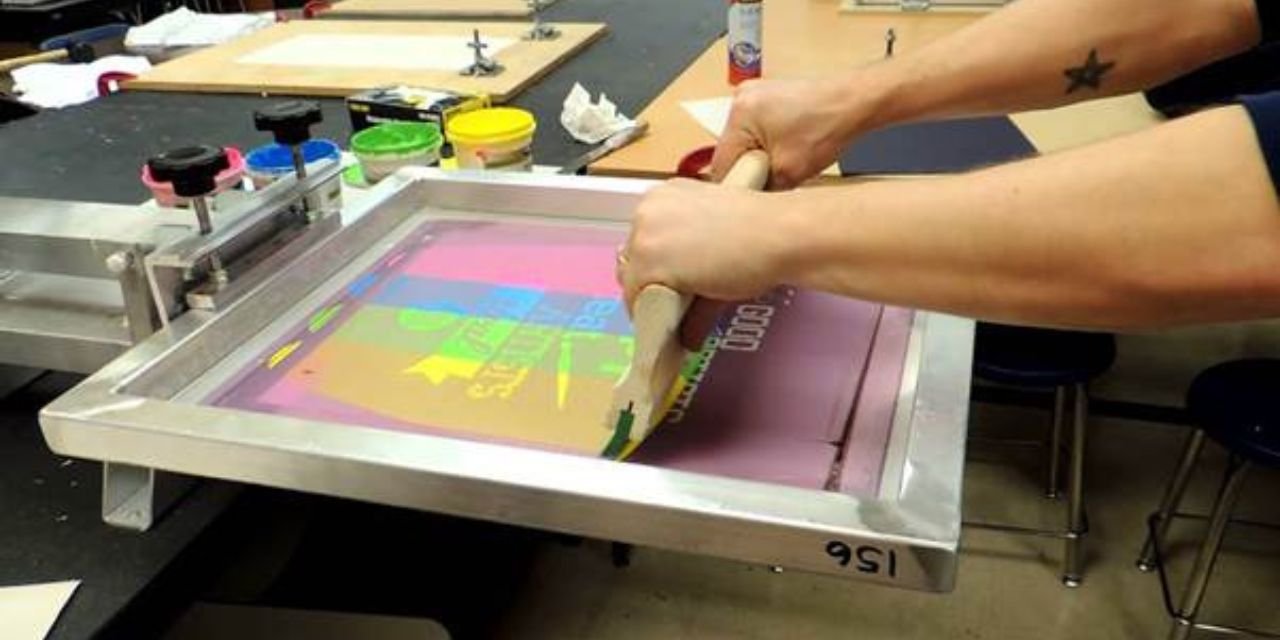
Since it offers a vital way to apply patterns to surfaces, the screen printing business has long been a mainstay in a variety of industries, including textiles, graphics, and packaging. But like many other businesses, sustainability is becoming more and more important due to customer demand for eco-friendly products and environmental concerns. As a result, producers of screen printing mesh are moving quickly to develop sustainable solutions that improve recyclability, lessen their negative effects on the environment, and satisfy changing consumer demands.
This blog examines how the screen printing mesh sector is changing in terms of sustainability, looking at major trends, customer demand, and creative solutions that are revolutionizing the market.
Understanding Screen Printing Mesh and Its Role
Screen printing mesh is a critical component in the screen printing process, where it serves as the medium through which ink is transferred onto substrates, such as fabric, paper, or plastic. Typically made from polyester, nylon, or other synthetic fibers, the mesh is woven into fine, precise patterns to ensure the smooth application of inks and dyes.
The environmental impact of screen printing mesh is becoming a major problem because to its extensive use in many different sectors. The mesh industry is searching for methods to lessen the adverse environmental effect of its goods while simultaneously enhancing performance and product durability, as businesses and customers demand more sustainable practices. By the end of 2030, the worldwide screen printing mesh market is expected to have grown from US$800 million in 2023 to US$1,250 million at a compound annual growth rate (CAGR) of 4.3%.
Key Drivers of Sustainability in the Screen Printing Mesh Industry
1. Environmental Impact Awareness
Industries are facing increased pressure to cut waste, save resources, and avoid pollution from production processes as environmental concerns gain international attention. Because of their roles in plastic waste, water use, and chemical contamination, the textile and printing industries in particular are coming under more scrutiny.
This entails addressing the effects of synthetic fibers used in mesh manufacture and the difficulties associated with recycling or disposing of discarded mesh in the context of screen printing. The most popular materials for screen printing mesh, polyester and nylon, do not biodegrade, which causes trash to build up in landfills. Furthermore, dangerous chemicals that worsen the environment are frequently used in mesh cleaning procedures.
A move toward greener mesh manufacturing options is being driven by businesses in the screen printing sector starting to invest in more sustainable alternatives as consumer awareness and regulatory demands rise.
2. Consumer Demand for Eco-Friendly Products
According to a Persistence Market Research analysis, consumers are giving sustainability more weight when making decisions about what to buy, especially in sectors like fashion, textiles, and packaging that rely significantly on screen printing. Growing worries about the effects of fast fashion, single-use packaging, and other consumer items on the environment are also driving the demand for eco-friendly products.
Screen printing businesses are looking for environmentally sustainable mesh manufacturing options as a result of this change in consumer behavior. These days, businesses are creating mesh that is recyclable or reusable at the end of its life cycle, made of sustainable materials, and easy to clean. This is especially true in the textile sector, where companies are being pressured to follow eco-friendly procedures in order to satisfy customer demands.
3. Regulatory Pressure and Industry Standards
Stricter environmental laws are being introduced by governments and international organizations in an effort to lessen pollution and promote environmentally friendly production methods. For instance, the EU has put regulations like the EU Textile Strategy into place, which aims to make textiles more sustainable from the point of design to the point of disposal. Because the textile and screen printing industries are closely related, these rules also have an impact on the production, usage, and disposal of screen printing mesh.
Similar to this, a lot of businesses are implementing industry-wide standards like OEKO-TEX certification or the Global Organic Textile Standard (GOTS), which guarantee that materials used in printing and textile applications satisfy strict social and environmental requirements. These rules are encouraging producers to embrace sustainable techniques and offer environmentally suitable mesh substitutes that meet sustainability requirements.
Sustainable Solutions in Screen Printing Mesh
Screen printing mesh is moving toward sustainability by taking into account all aspect of the product’s lifespan, including the procurement of raw materials, production procedures, usage, and disposal at the end of its useful life. The following are some of the cutting-edge approaches that are revolutionizing the sector:
1. Use of Eco-Friendly Materials
The shift to more environmentally friendly raw materials is one of the biggest developments in the mesh screen printing sector. Eco-friendly substitutes with less of an impact on the environment are gradually replacing or enhancing traditional mesh materials like polyester and nylon.
- Recycled Polyester Mesh: As an alternative to virgin polyester, recycled polyester is becoming more and more popular. This helps limit plastic waste and lessens the demand for new raw materials. Recycled PET bottles are now being used to make printing mesh by companies like Serigraph, converting plastic trash into a valuable resource.
- Natural Fibers: Some manufacturers are exploring the use of natural fibers, such as cotton or hemp, in the production of screen printing mesh. While these fibers may not be as common as synthetic ones, they provide a biodegradable option for the screen printing industry and contribute to a reduced carbon footprint.
2. Improved Manufacturing Processes
In addition to sourcing sustainable materials, manufacturers are refining their production processes to reduce environmental impact. For example:
- Water-Based Inks and Chemicals: Many screen printing operations rely on water-based inks and chemicals that are less harmful to the environment compared to solvent-based alternatives. Similarly, mesh cleaning processes are being modified to use less water and non-toxic cleaning agents, reducing both water consumption and chemical waste.
- Energy-Efficient Production: The energy required to manufacture screen printing mesh, especially for synthetic fibers, can be substantial. Manufacturers are adopting energy-efficient machinery and processes that reduce carbon emissions during production. Companies are also looking to implement renewable energy sources to further reduce their environmental footprint.
3. Durability and Longevity of Mesh
The short lifespan of conventional screen printing mesh is one of its drawbacks; as it wears out or becomes worthless, it adds to waste. In order to combat this, producers are concentrating on developing mesh that is more resilient and can endure longer usage times, which will lower the need for replacements.
To help businesses avoid material waste and mesh disposal, high-quality screen printing mesh is being produced with improved durability and resistance to abrasion, wear, and chemicals. Additionally, companies are offering mesh with longer lifespans that may be reused several times before needing to be changed.
4. Recycling and Circular Economy
An essential component of sustainability in the mesh screen printing sector is recycling. When mesh hits the end of its life cycle, manufacturers are looking at recycling possibilities. Some businesses are creating closed-loop processes that allow used mesh to be recycled, cleaned, and used again to create new mesh goods.
- Mesh Recycling Programs: Some businesses have implemented recycling initiatives to get clients to recycle their unwanted mesh. This gives mesh a supply of raw materials for new products and helps keep it out of landfills.
- Circular Economy Models: Some companies are creating mesh goods with recyclability in mind as they move toward a circular economy. This includes mesh that is easier to disassemble or repurpose, guaranteeing the recovery and reuse of important elements in future production.
5. Eco-Friendly Printing Solutions
Eco-friendly printing methods are another way that the screen printing business is embracing sustainability. In comparison to conventional solvent-based inks, low-impact inks—like water-based and UV-curable inks—emit less volatile organic compounds (VOCs) and use less energy to dry.
Furthermore, compared to conventional screen printing methods, digital printing technologies are becoming more widely used because they enable accurate, on-demand printing with less waste.
Consumer Demand and the Future of Sustainable Screen Printing Mesh
Demand from consumers for sustainable products is still rising in a variety of sectors, such as packaging, fashion, and advertising. Businesses in the screen printing sector are required to keep coming up with new ideas and implementing sustainable practices in order to satisfy the growing demand from customers for brands that put sustainability first.
More developments in environmentally friendly screen printing mesh solutions are probably going to be fueled by the growth of ethical consumption as well as regulatory pressure. Manufacturers must concentrate on developing high-performance, environmentally friendly mesh products that minimize their negative effects on the environment while maintaining the same level of quality and durability as conventional choices.
Conclusion
In the screen printing mesh sector, sustainability is becoming a reality that is influenced by both industry innovation and customer demand. The industry is welcoming change in response to environmental concerns and regulatory restrictions, from the adoption of eco-friendly materials to enhanced production procedures and recycling programs.
The market for screen printing mesh will keep changing as sustainability becomes more and more important to consumers and companies alike. Businesses will be well-positioned for success in a market that is changing quickly if they embrace sustainable practices, give eco-friendly alternatives top priority, and satisfy customer demand for green solutions.