
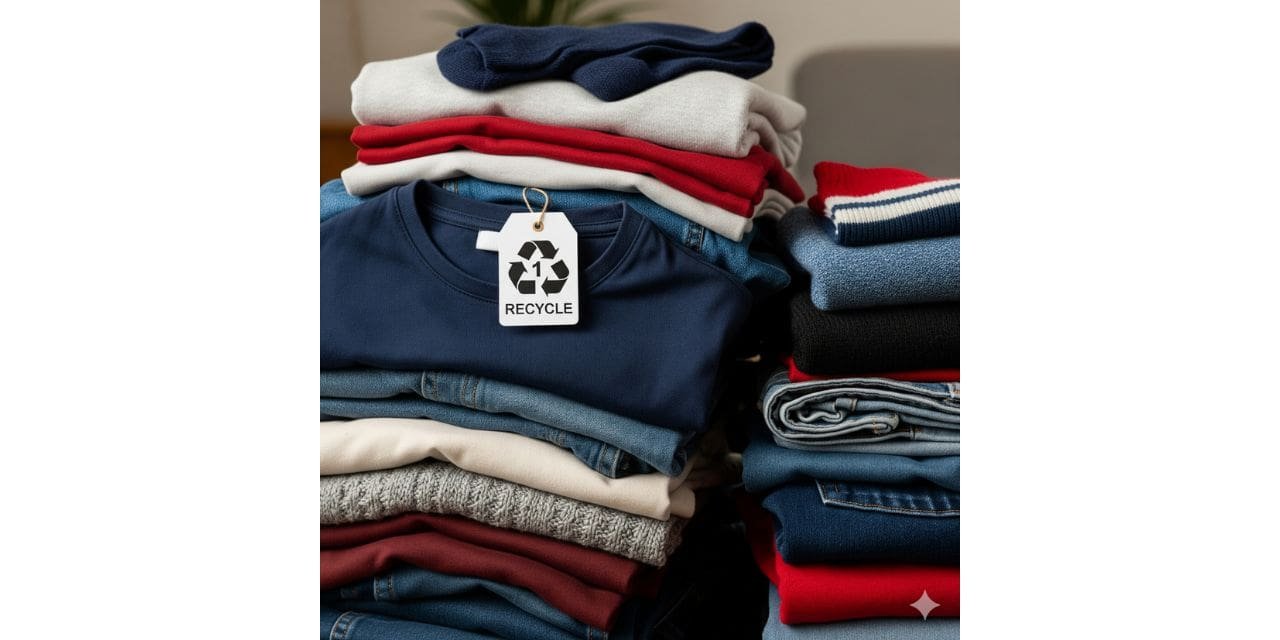
The global sustainable apparel market, valued at $13.2 billion in 2024, is projected to reach $45.8 billion by 2033, growing at a robust CAGR of 14.7% (2024–2033), according to Research Intelo. Rising demand for eco-friendly and ethically produced clothing, coupled with consumer awareness, regulatory mandates, and sustainable innovations, is driving this market transformation.
Key Market Drivers
-
Rising Environmental Awareness: Consumers are increasingly willing to pay a premium for eco-conscious products, prompting brands to adopt greener production models.
-
Government Regulations: Stricter sustainability reporting and emission-reduction policies are pushing apparel companies to align with climate goals.
-
Innovation in Sustainable Materials: Fabrics such as recycled polyester, bamboo fibers, and organic cotton are gaining popularity for their durability, comfort, and low environmental impact.
Market Challenges
High production costs, limited availability of sustainable raw materials, and risks of greenwashing remain hurdles. Consumer education is also critical to strengthening adoption.
Key Industry Trends
-
Circular Fashion: Repair, resale, rental, and recycling models are extending garment lifecycles and reducing waste.
-
Digitalization & Traceability: Blockchain, QR code-based tracking, and AI-driven supply chains are enabling transparency and consumer trust.
Competitive Landscape
Leading players in the sustainable apparel market include Patagonia, Adidas AG, Nike, H&M Group, Levi Strauss & Co., VF Corporation, Stella McCartney, Eileen Fisher, Puma SE, and Lenzing AG.
Technological Advancements
Breakthroughs such as waterless dyeing, bio-based fibers, recycled textiles, and AI-powered resource optimization are making sustainable fashion more scalable, affordable, and authentic.
Future Outlook
With sustainability becoming a differentiator, brands integrating eco-conscious practices into core strategies are expected to lead the market. Consumer demand, regulatory backing, and material innovations will continue to accelerate adoption, positioning sustainable apparel as the future of fashion.
Source: Research Intelo


