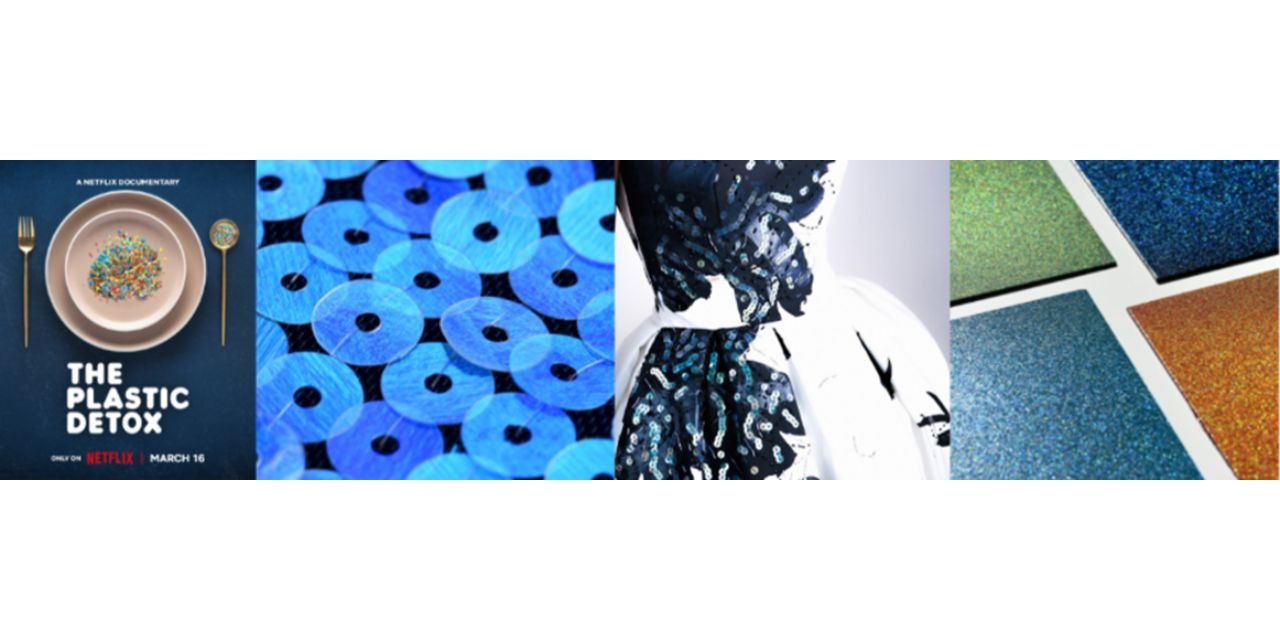
The latest documentary The Plastic Detox by Netflix explores the growing concern around microplastics and their potential links to fertility decline, hormonal disruption and long-term human health risks.
The film brings attention to one of the fashion industry’s most overlooked environmental challenges: toxic colour chemistry.
Sparxell Positioned as a Sustainable Solution
Sparxell, the world’s first 100% plant-based, biodegradable colour platform, is featured in the documentary as an alternative to conventional dyeing processes, often considered among the most polluting stages in fashion production.
The company addresses the hidden impact of chemical-intensive dyes and plastic-based pigments, which are widely used across textiles, beauty, packaging and coatings.
The Hidden Risk Behind Colour
The documentary highlights how colour, often overlooked, contributes significantly to chemical exposure:
-
Azo dyes, representing nearly 70% of the global dye market, are linked to carcinogenic compounds and are partially restricted under EU regulations
-
Residues from these dyes can bind with microplastics, enabling them to travel through waterways and accumulate in living organisms
-
Plastic-based colour materials such as glitter and sequins, typically made from PET, contribute significantly to microplastic pollution
These factors collectively intensify the environmental and health risks associated with modern manufacturing.
Nature-Inspired Innovation
Sparxell introduces a radically different approach inspired by nature, particularly the Morpho butterfly, which produces colour through microscopic structural patterns rather than pigments.
Using cellulose derived from plant cell walls, Sparxell engineers structural colour that:
-
Is fully biodegradable and plastic-free
-
Reduces water consumption by up to 90% compared to traditional dyeing
-
Delivers high-performance, vibrant colour without toxic chemistry
Commercial Momentum and Industry Adoption
The technology is already gaining traction with:
-
25+ pilot projects and partnerships across fashion, beauty, packaging and automotive sectors
-
Collaboration with designer Patrick McDowell for the first fashion pieces using structural colour
-
A commercial launch of plant-based structural colour ink with Positive Materials
Following a $5 million Pre-Series A funding round, backed by LVMH, Sparxell is preparing for tonne-scale production in 2026, signalling readiness for global adoption.
Leadership Perspective
Dr Benjamin Droguet, Founder and CEO of Sparxell, said:
“Nobody asks what makes a product blue or red. Colour in everyday products, from the food we consume to the clothes we wear, is often taken for granted. But behind every shade is a chemistry that can persist in the environment and accumulate in the body. That invisibility is exactly the problem. We now know microplastics are turning up throughout the human body: in blood, placentas and brain tissue.
“The materials used to create colour are part of that story. Nature developed this colour solution over millions of years. That is why, at Sparxell, we have created the world’s first 100% plant-based colour platform: colour that is vibrant, high-performing and safe.”
Driving Industry-Wide Change
Sparxell’s inclusion in The Plastic Detox underscores a broader shift within the global fashion and materials ecosystem towards non-toxic, circular and bio-based alternatives.
As regulatory pressure and consumer awareness increase, innovations like structural colour are expected to play a critical role in reducing microplastic pollution and chemical exposure across industries.