
Milind Khangan,
Marketing Manager,
Vertex Market Research
India Handloom Industry: Celebrating a Legacy at Crossroads
India’s handloom industry can be described as one of the oldest textile traditions still in existence. It goes beyond just cultural symbolism. It acts as an economic engine that supports millions of livelihoods, empowers rural artisans, and encourages sustainable craftsmanship. As we celebrate National Handloom Day on 7th August, we should pay attention to this lively but often neglected industry. In today’s fashion market, which is shaped by environmental concerns and sustainable shopping habits, the handloom industry is not only preserving tradition but also adapting to changing market demands.
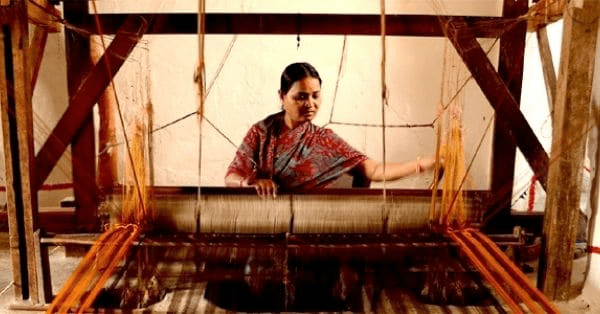
The Indian handloom industry employs over 3.5 million weavers and other related workers. It is the second-largest source of rural jobs in the country, after agriculture. This industry makes nearly 15% of India’s total fabric output. It also produces more than 70% of the world’s handwoven cloth. The sector has about 70% women workers, which reflects the contribution that the sector plays in ensuring rural growth and inclusiveness. Also discussed are clusters including Varanasi (Uttar Pradesh), Bhagalpur (Bihar), Chanderi (Madhya Pradesh), Pochampally (Telangana), and Kannur (Kerala), which are world famous for their intricate weaving patterns and craftsmanship.
Though socially and economically significant, Indian handloom exports are low at US$140 million in 2024 as compared to US$350 million in 2019. The total exports of cotton yarn, fabrics, finished textile articles, and handloom products, among others, were valued at around US$10 billion in 2024. This indicates there is plenty of untapped value to be created in foreign markets.
Market Trends Reshaping the Handloom Industry
- Rise of Conscious Consumerism and Sustainable Fashion
There is a growing demand for sustainable and ethically made textile products worldwide, particularly in North America, Europe, and East Asia. Indian handlooms produced with organic fibres and natural dyes and minimal carbon inputs are gaining popularity among green product consumers. Markings such as the Handloom Mark, Silk Mark, and GOTS (Global Organic Textile Standard) are also picking up steam. Particularly for Gen Z and millennials who desire to know the origin of products and the effects they have on the environment.
- Digital D2C Boom and Platform-Led Access
Online platforms such as GoCoop, Okhai, Jaypore, and Amazon Karigar enabled weavers to reach consumers directly. The Indian online handloom industry saw significant expansion, spurred mostly by social commerce growth, influencer campaigns, and widening cross-border e-commerce channels. Many emerging D2C brands are using Instagram and Etsy to reach niche buyers who value authenticity, craftsmanship, and limited-edition collections.
- Urban Premiumization and Designer Integration
India’s urban luxury market is experiencing a revival of handloom as “fashion-forward artisanal couture.” Designers are adding traditional weaving to high-fashion outfits, creating a premium identity for handlooms. This shift has increased domestic visibility and helped Indian textiles find a place in global luxury markets.
Global Demand and Export Growth Potential
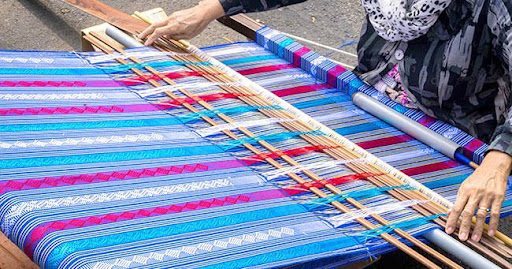
As per Vertex Market Research, India’s handloom exports in 2024 stood at around US$140 million, falling from US$350 million in 2019, with key markets including:
-
- United States (30%)
- United Kingdom (6%)
- United Arab Emirates (11%)
- Spain (7%)
- France (5%)
Product categories such as fashion fabrics, bed linens, bedsheets, cushion covers, drapes, kitchen linen, western dresses, decorative furnishings, rug durries, mats, mattings, carpets, rugs, and other handloom items make up most export volumes. There is a noticeable interest in bamboo-cotton blends, wool-linen mixes, and heritage designs within European boutique collections and Japan’s ethical retail stores.
The upcoming Free Trade Agreements are expected to improve market access by lowering tariffs, increasing product certifications, and making it easier to source handloom goods across borders.
Even with positive macro trends, India’s handloom industry continues to grapple with enduring structural issues. Production is still fragmented, with the majority of weavers in small units who have limited exposure to quality raw materials and advanced equipment. Successive generations are increasingly disengaged, discouraged by poor incomes and traditional methods, which results in a slow decline in traditional skills. Financial inclusion is low, with minimal weavers having access to formal credit or MSME finance. Design innovation is also absent, with the majority of artisans being isolated from emerging consumer trends, lowering competitiveness both in the city and export markets. Weak digital infrastructure and low digital literacy in weaving clusters also remain in the way of the sector’s integration into e-commerce and online marketplaces.
Grassroots Innovation and Impact Models
Grassroots innovations are transforming India’s handloom sector. They do this by using collaborative, technology-based, and market-driven methods.
The rise of Producer Companies and Self-Help Groups (SHGs) has significantly empowered weaver communities. These groups have improved access to raw materials, reduced reliance on middlemen, and allowed direct communication with buyers. Dastkar Andhra is one such model case, which supports cooperatives with equitable pricing, design contributions, and skill enhancement. Likewise, micro-enterprises such as Radhakanta Handloom in Odisha, facilitated by Swakalpa and Flipkart Samarth, have effectively turned traditional local artisans into sustainable micro-entrepreneurs with scalable business models.
Designer-artisan partnerships are becoming popular. By merging modern design with traditional craftsmanship, these collaborations boost product value and create steady income for weavers. Social enterprises such as Bunavat and Anuprerna have built sustainable, transparent supply chains that offer fair pay, timely payments, and access to online marketplaces.
Selective technology uptake is also accelerating the impact. While basic weaving is manually performed, computer programs for design, stock, and promotion are raising efficiency. Blockchain platforms such as Kosha AI are helping to authenticate original handloom products, in opposition to the growing menace of counterfeit goods.
The Road Ahead: Strategic Recommendations for Revitalising Indian Handlooms
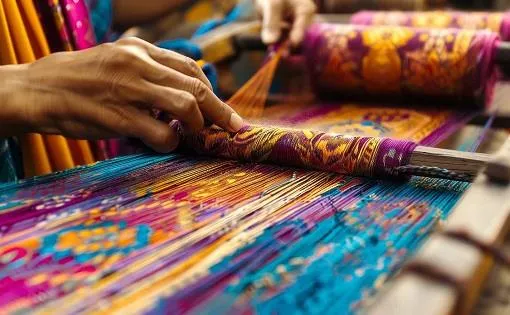
Unlocking the true potential of India’s handloom industry requires a focused approach. This approach must centre on modernisation, digital inclusion, skill improvement, and policy implementation. Upgrading infrastructure through cluster modernisation, which includes setting up dyeing units, CAD laboratories, and e-commerce centres under the Mega Cluster Scheme, will improve productivity and market readiness. At the same time, digital empowerment through subsidised smartphones, e-commerce training, and better platform access can significantly increase weavers’ outreach.
Skill gap needs to be bridged by greater interaction between clusters of weavers and institutions such as NIFT and international design schools. The collaboration can bring in modern aesthetics and market-oriented design thinking. Blockchain and QR-code systems can enhance supply chain integrity, guaranteeing authenticity and honest remuneration. Extension of RoDTEP coverage and conforming with international standards of exports will also enhance international competitiveness.
Policy implementation needs to be tightened, especially with the successful enforcement of the Handlooms (Reservation of Articles for Production) Act, 1985. This will help check powerloom imitations and spurious goods. Moreover, protecting traditional designs with formal IP protection mechanisms will save cultural heritage and ensure artisan rights.
Additional expansion of access to online markets is needed. Moving more weavers into e-commerce platforms, along with training in product photography, storytelling, and branding, will get them noticed. International trade promotion, branding “India Handloom” and Handloom Mark abroad, will foster global consumer trust. Additional Urban Haats and direct-to-consumer models enabling can connect artisans further with consumers.
Skill upgradation, design creativity, and artisan welfare require investment. Initiatives such as the Hathkargha Samvardhan Sahayata (HSS) and Weaver MUDRA Scheme need increased reach and publicity so that more artisan communities adopt them. Offering decent remuneration, social security via HWCWS, and workplace safety will attract youth to pursue the craft. Handloom Hackathon 2025-like programs foster innovation in design and sustainability.
Finally, bringing together weaver-controlled collectives and producer firms is important to address sector fragmentation. These systems improve negotiating power, support bulk purchasing, and ease market entry. Ongoing government and NGO support in mentoring, training, and funding will be vital for building strong, independent handloom enterprises.