PFAS Restrictions Drive Innovation in Waterproof Breathable Fabrics
New regulations restricting per- and polyfluoroalkyl substances (PFASs) are driving innovation in waterproof breathable fabrics and apparel. Manufacturers are developing alternative membranes and finishes to meet changing industry requirements.
According to Waterproof Breathable Fabrics: Changing Legislation Is Driving Innovation, a 50-page report from global business information company Textiles Intelligence, the shift away from PFASs is creating new opportunities for material development.
Growing Demand for Comfort and Protection
Waterproof fabrics and apparel have long protected people from rain and harsh weather. However, consumer expectations have changed. Comfort now matters as much as protection.
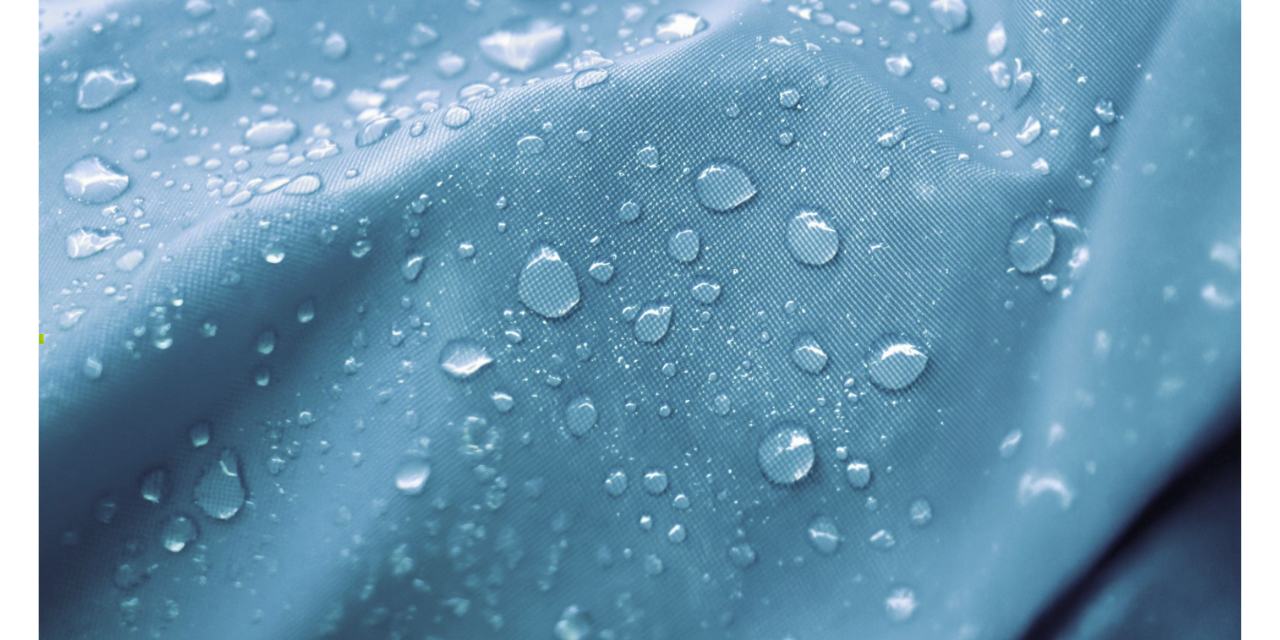
As a result, manufacturers are developing fabrics that repel water while allowing moisture vapour to escape. This balance helps wearers stay dry and comfortable during outdoor activities.
Traditionally, manufacturers have used PFASs in waterproof breathable membranes and durable water repellent (DWR) finishes. These chemicals help membranes prevent water from entering. They also give fabric surfaces water-repellent properties.
PFAS Restrictions Encourage Alternative Materials
Many PFASs are known as “forever chemicals” because they break down very slowly and can remain in the environment. Exposure to certain PFASs has also been linked to harmful effects on human health.
Growing consumer awareness and new restrictions have therefore pushed the industry to explore alternatives. Manufacturers are developing membranes and finishes that use different chemical formulations.
Some alternatives include bio-based polyurethanes and fluorine-free membranes. These materials aim to provide water resistance without relying on PFAS-based technologies.
However, developing suitable replacements remains a challenge. Alternative materials must meet the performance needs of outdoor apparel. In particular, they must protect against rain while allowing moisture vapour to pass through.
The required level of protection also depends on the product. For example, garments designed for extreme weather need stronger protection against water than everyday outdoor clothing.
New Membrane Technologies Enter the Market
One important development comes from W. L. Gore & Associates. The company has introduced a Gore-Tex membrane made from expanded polyethylene (ePE).
This membrane offers an alternative to its original expanded polytetrafluoroethylene (ePTFE) membrane. ePTFE is a fluoropolymer that belongs to the PFAS group.
The development reflects the wider industry effort to create materials that meet performance needs while responding to changing chemical regulations.
Market Demand and Future Developments
Global demand for waterproof breathable fabrics is expected to grow in the coming years. Their use across different outdoor apparel products will support this growth. The rising popularity of outdoor activities is also likely to increase demand.
As PFAS restrictions evolve, manufacturers will need to improve alternative membranes and finishes. They must also ensure that these materials meet the performance expectations of brands and consumers.
The shift towards PFAS alternatives is therefore set to remain an important driver of innovation in the waterproof breathable fabrics and apparel market.