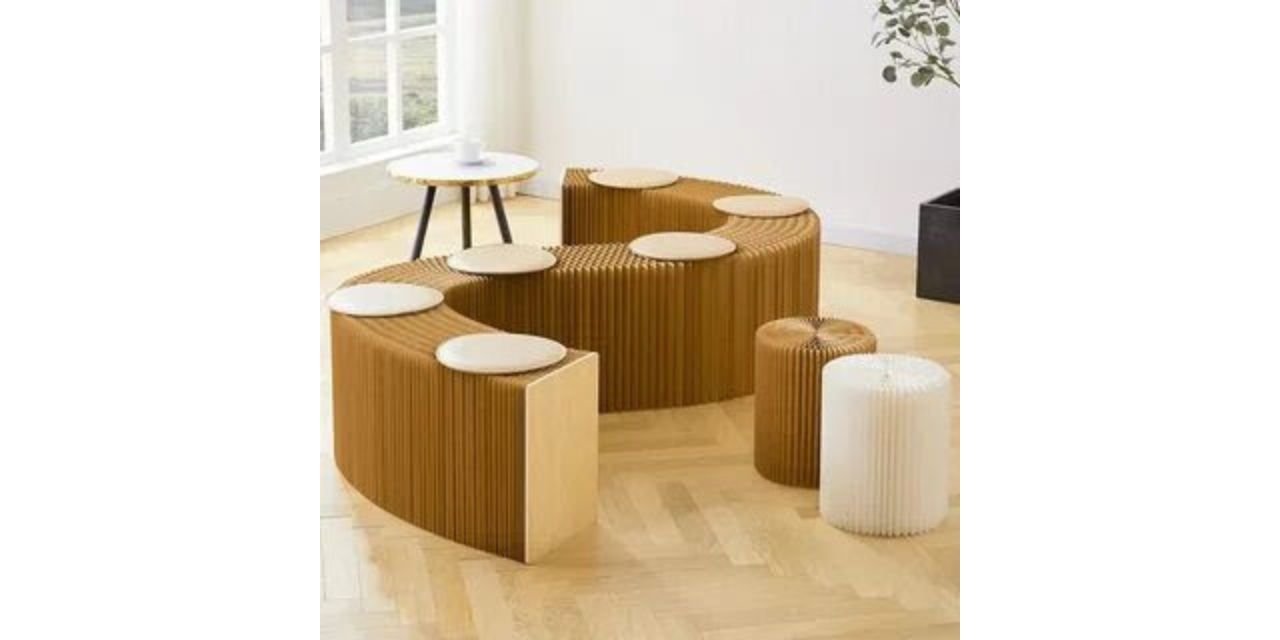
Europe’s furniture market is evolving as living patterns, housing sizes, and sustainability priorities change. Folding furniture has emerged as a practical response to these shifts. It combines flexibility, functionality, and modern design. As urban homes and commercial spaces become more compact, demand for adaptable furniture continues to rise across the region.
Urbanisation and Smaller Homes
Rapid urbanisation is a key growth driver. Major cities such as London, Paris, Berlin, and Amsterdam face high population density and rising property prices. Homes are getting smaller, especially in city centres. Consumers now seek furniture that maximises space without sacrificing comfort. Folding tables, wall-mounted desks, and foldaway beds meet this need effectively.
Rise of Multifunctional Living
European homes increasingly serve multiple purposes. Living spaces now double as work areas, study rooms, and entertainment zones. Hybrid and remote work have strengthened this trend. Folding desks and convertible seating allow quick room transitions. This flexibility has made folding furniture a preferred choice for modern households.
Sustainability as a Purchase Driver
Environmental awareness strongly influences buying decisions in Europe. Folding furniture supports sustainable living by reducing material use and encouraging long-term functionality. Manufacturers are adopting recycled metals, responsibly sourced wood, and low-emission finishes. These practices also help brands comply with strict European regulations.
Growth in Hospitality and Tourism
Europe’s hospitality sector relies heavily on flexible furniture solutions. Hotels, cafés, event venues, and vacation rentals use folding furniture to manage space efficiently. Folding beds, banquet tables, and portable seating support changing guest volumes. As tourism rebounds, commercial demand continues to grow.
Influence of Minimalist Design Trends
Minimalist and Scandinavian design trends dominate European interiors. These styles focus on simplicity, clean lines, and functionality. Modern folding furniture aligns well with this aesthetic. Today’s designs are sleek and stylish, no longer seen as temporary solutions. This has increased acceptance across mid-range and premium segments.
Rental Housing and Student Accommodation
Rental housing and student populations are expanding across Europe. Renters prefer furniture that is affordable, portable, and easy to reconfigure. Folding furniture fits these needs well. Countries such as Germany, the UK, France, and the Netherlands show strong adoption in shared and student housing.
Expansion of Online Furniture Retail
E-commerce has improved access to folding furniture across Europe. Online platforms allow easy comparison of designs, prices, and materials. Folding furniture also suits home delivery due to its compact size. Digital retail has helped both established and emerging brands expand their reach.
Technological Improvements and Product Quality
Advances in materials and manufacturing have improved product durability. Stronger hinges, better locking systems, and lightweight materials have enhanced safety and performance. These improvements have increased consumer confidence and repeat purchases.
Supportive Regulations and Consumer Spending
Clear EU safety and quality standards ensure reliable products. This benefits both consumers and manufacturers. Despite economic fluctuations, European consumers maintain strong lifestyle spending. Folding furniture is now viewed as a smart, long-term investment.
Outlook for the European Market
The folding furniture market in Europe remains innovation-driven. Urban growth, sustainability goals, and flexible lifestyles will support continued demand. Brands focusing on eco-friendly materials and modular designs are likely to gain a competitive advantage.