India’s Textile Industry Nears $190 Billion in FY2026
Rubix Data Sciences says India’s textile industry is targeting $350 billion by 2030 as exports recover and investment grows.
India’s textile industry expanded to nearly $190 billion in FY2026. The sector is now targeting $350 billion by 2030. Rising domestic demand, new investments and export opportunities are expected to support this growth.
The findings come from the latest Rubix Industry Insights: Textiles Update, October 2026 report by Rubix Data Sciences. The report updates its November 2025 edition.
Meanwhile, the Indian government is considering a proposed INR 400 billion, five-year Textile Expansion and Employment (TEEM) Scheme. The plan aims to modernise traditional textile clusters. It would support machinery upgrades, new technology and common testing facilities.
Textile Exports Show Signs of Recovery
India’s textile and apparel exports fell 2.7% to $35.8 billion in FY2026. In contrast, imports rose 17.1% to $9.6 billion.
Even so, India remained a strong net exporter. Textile and apparel exports were nearly 3.7 times the value of imports.
Readymade Garments (RMG) remained the largest export segment. It accounted for 44% of India’s textile exports in FY2026. Meanwhile, MMF textiles increased their share from 14% in FY2025 to 15%.
The export picture has since improved. India’s textile exports, including handicrafts, grew 10.3% year-on-year between April and August 2026. Cotton textile exports rose 18.0%, while MMF textile exports increased 13.6%.
US Remains the Largest Export Market
The United States remained India’s biggest textile and apparel export market in FY2026. It accounted for 31% of exports. The European Union followed with nearly 16%.
However, trade uncertainty continues to affect exporters. In February 2026, the US–India trade framework announced a reduction in the reciprocal tariff rate to 18%. This compared with 20% for Vietnam and 30% for China.
In July 2026, the US introduced an additional 10% duty under Section 301 measures linked to forced-labour import enforcement. As of October 2026, trade talks appear to have stalled.
As a result, Indian exporters are looking at other markets. Exports from India’s textile, apparel and handicraft sector to the US fell by around 7% in FY2026. At the same time, exports to major European markets grew 9% year-on-year.
Raymond Lifestyle plans to reduce the US share of its exports from 65% to 55%–60% over two years. Similarly, Kitex Garments plans to cut the US share of its business from nearly 100% to 30%–35% over the next two to three years.
Cotton Yarn Prices Put Pressure on Margins
Cotton yarn prices have risen sharply in 2026. Prices reached around INR 400 per kg in September, up from INR 250 per kg at the start of the year.
This rise is putting pressure on margins across the textile value chain. At the same time, domestic cotton production has declined. Production fell to 290.91 lakh bales in the 2025–26 season, compared with 352.48 lakh bales in 2020–21.
To reduce input costs, the government temporarily removed the 11% import duty on cotton. The duty-free period began on 1 June and is set to end on 31 October 2026.
The textile industry is seeking a six-month extension. However, domestic cotton farmers have raised concerns that continued duty-free imports could push down prices during the new harvest season.
Cotton textiles account for around 30% of India’s textile exports. The segment grew 18.0% between April and August 2026.
In May 2026, the Union Cabinet approved INR 56.59 billion for the Mission for Cotton Productivity. The programme will run from 2026–27 to 2030–31. Its goals include improving cotton yields and quality while supporting greater self-sufficiency.
MMF Textiles Gain Ground
India is widely known for cotton. However, man-made fibre (MMF) textiles are also gaining ground.
MMF textiles increased their share of exports from 14% in FY2025 to 15% in FY2026. Their export value also grew 13.6% between April and August 2026.
Policy support is helping the segment grow. In October 2025, the government revised the Production Linked Incentive (PLI) Scheme for MMF apparel, MMF fabrics and technical textiles.
The changes added 17 MMF product codes. They also halved the minimum investment threshold for new applicants. In addition, the incremental turnover requirement was reduced from 25% to 10%.
In April 2026, 52 new applications were approved under Round III of the PLI Scheme for Textiles. Together, these applications represent committed investments of INR 67.08 billion.
Despite this progress, India still depends on imports for synthetic textiles. The share of man-made textiles in textile imports rose from 39% in FY2025 to 41% in FY2026.
This shows that domestic supply still needs to grow alongside demand.
Investment in Textile Infrastructure Grows
Investment in textile infrastructure is also gaining pace. The government has approved seven PM Mega Integrated Textile Region and Apparel (PM MITRA) Parks.
The first park, located in Warangal, Telangana, was inaugurated in May 2026. Once fully developed, each park is expected to create around 3 lakh jobs. This includes 1 lakh direct and 2 lakh indirect opportunities.
By 11 August 2026, PM MITRA states had received investment interest worth INR 685.9 billion.
Major companies are also increasing their investments. Grasim Industries announced INR 30.94 billion for Phase II of its Lyocell capacity in June 2026. In July 2026, Vardhman Textiles announced a wider INR 36.6 billion capital expenditure programme.
Textile Sector Outlook
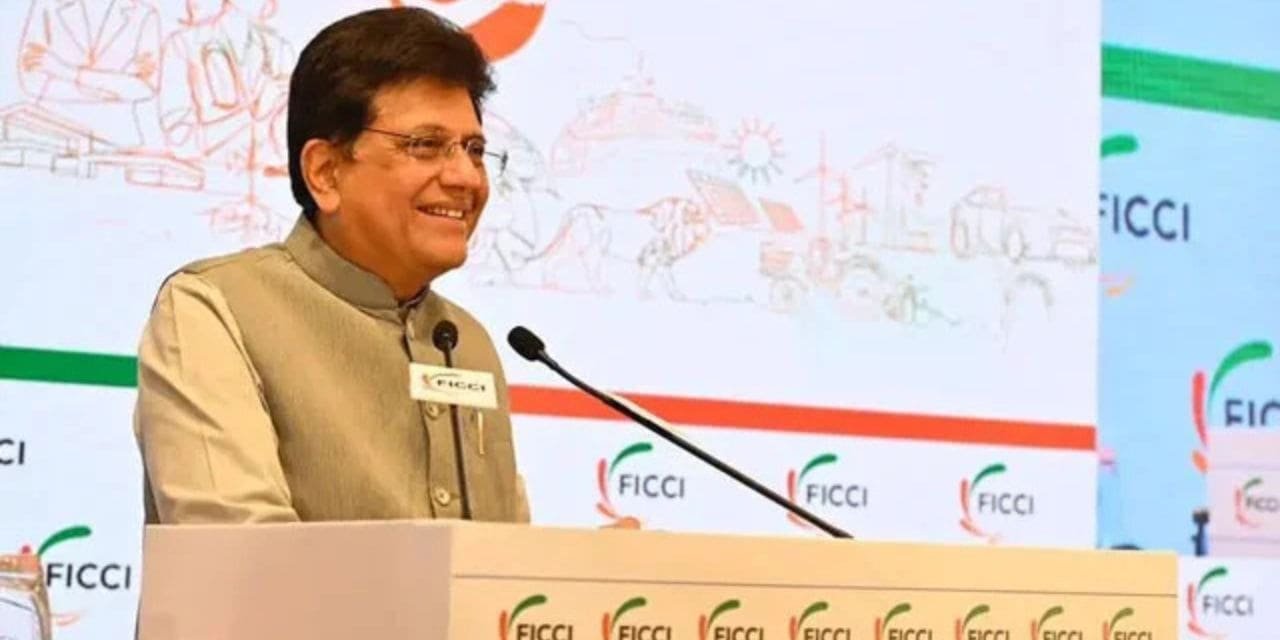
Commenting on the findings, Tushar Bhaskar, President, Rubix Data Sciences, said, “India’s textile industry has shown resilience, with exports growing 10.3% in April–August 2026 after a 2.7% decline in Dollar terms in FY2026. At the same time, trade uncertainity in the US market a risen of approximately 60% in cotton yarn prices, and freight disruptions are adding to the pressure. This reinforces the importance of diversifying India’s export destinations and improving cost competitiveness.”
Overall, India’s textile sector is showing signs of recovery after a weaker FY2026. Export growth, government support and fresh investments are creating new opportunities.
However, rising yarn costs, import dependence and uncertainty in key markets remain challenges. Therefore, wider export markets, stronger domestic production and better cost efficiency will remain important for the sector’s growth towards its $350 billion target by 2030.