India’s Apparel Market to Reach US$146 Billion by 2029
India’s domestic apparel market is entering a new growth phase. According to the Indian Apparel Market Size: A Consumer Research Report 2025, the market is set to grow from US$95.7 billion, or about INR 8 lakh crore, in CY2025 to US$146.3 billion, or around INR 12 lakh crore, by CY2029.
The market is expected to grow at a 9% CAGR during this period. The Clothing Manufacturers Association of India (CMAI) released the report in association with 1Lattice, a leading market research consulting organisation.
India’s Apparel Market Shows Strong Growth
The study ranks India as the fourth-largest apparel market in the world. It also shows major changes in what consumers want and how they shop.
Casualwear is gaining ground across the country. At the same time, womenswear and kidswear are growing quickly. Consumers are also looking for greater comfort, ease and function in their clothing.
Physical stores remain important. However, online shopping is becoming a bigger part of the buying journey.
India’s apparel market has also made a strong recovery since the pandemic. The market grew from US$49.3 billion in CY2020 to US$95.7 billion in CY2025. This equals an 18% CAGR during the period.
The 2025 consumer survey also matches business trends seen across leading listed apparel companies. These include Aditya Birla Fashion & Retail Ltd., Arvind Fashions, Raymond, Page Industries, Kewal Kiran Clothing, Vedant Fashions, Gokaldas Exports, Cantabil Retail and TCNS Clothing.
Together, the consumer survey and company results give a wider view of India’s changing apparel market.
Growth Is Moving Beyond Major Cities
Santosh Katariya, President, CMAI, said “The next phase of growth for India’s apparel industry will increasingly come from markets beyond the metros. Tier-2 and Tier-3 cities are already contributing significantly to apparel consumption, while rising aspirations are creating demand for a wider choice of brands, formats and fashion. The opportunity now is to build propositions that are contemporary, relevant and accessible to the emerging Indian consumer, while deepening distribution and retail presence across these markets.”
The report shows that Indian consumers have many different clothing needs. Demand covers casualwear, traditional clothing, occasionwear, formalwear, athleisure and functional apparel.
Rahul Mehta, Chief Mentor, CMAI, said “One of the most significant shifts in India’s apparel consumption is the blurring of traditional category boundaries. Men’s wear is becoming more casual, comfortable and versatile, with consumers seeking styles that can transition seamlessly between work, leisure and social occasions. At the same time, women’s wear remains deeply rooted in ethnic wear while evolving through new silhouettes, Indo-Western styling and greater versatility. These shifts reflect an Indian consumer adapting apparel choices to a more contemporary and dynamic lifestyle.”
Six Trends Shaping India’s Apparel Market
1. Rural India Is a Major Growth Market
Rural India accounted for US$55.9 billion of the US$95.7 billion apparel market in CY2025. This was about 58% of total apparel spending.
By comparison, Metro and Tier-1 markets together accounted for US$14.2 billion. Tier-2 markets contributed US$8.5 billion. Meanwhile, Tier-3 and smaller markets contributed US$17.1 billion.
These figures show that apparel growth is not limited to large cities. Smaller towns and rural areas are becoming important markets for brands and manufacturers.
As a result, companies will need strong distribution networks. They will also need the right prices, products and local assortments.
2. Casualwear Is a Leading Trend
Casualwear is now the largest apparel occasion in India. It accounts for 31% of the market.
Ethnicwear follows at 27%, while formalwear accounts for 26%.
Consumers are choosing clothes that offer comfort and flexibility. They also want styles that work for more than one occasion.
For example, menswear is seeing strong demand for denims and T-shirts. Similarly, womenswear and kidswear are seeing greater interest in easy-to-wear styles.
3. Comfort and Function Are Driving Demand
Lifestyle changes are also affecting clothing choices. Fitness, comfort and function are becoming key reasons behind purchases.
In menswear, athleisure continues to grow. Quick-dry T-shirts, stretchable joggers and moisture-wicking polos are gaining attention.
Meanwhile, kidswear is also changing. Parents are showing more interest in sportswear and clothing for active use. Breathable and easy-to-wear garments are also supporting casualwear demand.
4. Womenswear and Kidswear Are Gaining Ground
Menswear remains India’s largest apparel segment at US$38.5 billion in CY2025. Womenswear follows at US$35.6 billion, while kidswear stands at US$21.6 billion.
However, the growth rates show a changing picture. Between CY2025 and CY2029:
- Kidswear: 9.4% CAGR
- Womenswear: 8.9% CAGR
- Menswear: 8.5% CAGR
Kidswear is expected to reach about US$34 billion by CY2029. Meanwhile, womenswear could reach about US$55 billion.
Several factors are supporting womenswear growth. These include higher workforce participation, rising demand for athleisure and growing interest in Indo-Western styles.
In addition, the study finds growing interest in sustainable and ethical fashion choices.
5. Traditional and Occasionwear Remain Strong
Casualwear is growing, but traditional clothing remains important. Occasionwear also continues to support the market.
Ethnicwear makes up 27% of India’s total apparel market. It also accounts for about 60% of womenswear. Sarees and salwar suits are among the largest segments.
In menswear, weddings and celebrations continue to drive sales of ethnic and occasionwear. Sherwanis, bandhgalas and Indo-Western outfits remain popular choices.
Therefore, India’s apparel market is balancing everyday casualwear with traditional clothing.
6. India Is Moving Towards Omnichannel Retail
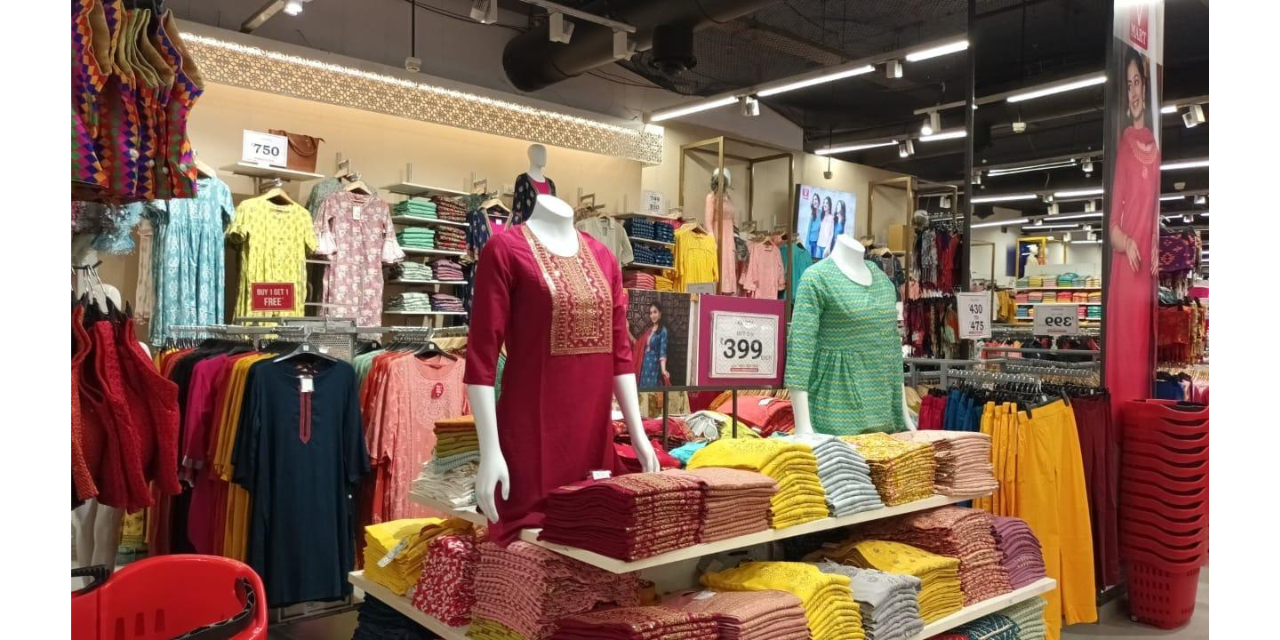
Indian shoppers are using both physical and digital channels. Even so, offline retail remains the main sales channel.
Offline retail accounted for 83% of apparel sales in CY2025. Online sales made up the remaining 17%.
Offline apparel sales were estimated at US$79.4 billion. Exclusive Brand Outlets accounted for about 50% of these sales.
Meanwhile, online apparel sales reached US$16.3 billion. Marketplaces made up about 80% of online sales. D2C websites accounted for the remaining 20%.
The study shows that digital shopping is adding to the consumer journey rather than replacing stores. Therefore, brands and retailers need a strong omnichannel strategy.
Demand Remains Strong Across Categories
Menswear was the largest segment at US$38.5 billion in CY2025. Womenswear followed at US$35.6 billion, while kidswear stood at US$21.6 billion.
Within menswear, formalwear was the largest category at US$17.1 billion. Casualwear followed at US$15.5 billion.
In womenswear, ethnicwear remained the largest category at US$21.2 billion.
For kidswear, casualwear stood at US$9.4 billion. Formalwear followed at US$7 billion.
Overall, growth is coming from several areas. Rising incomes, changing lifestyles and higher aspirations are supporting demand. At the same time, new products and wider access to brands are helping the market expand.
Rural and Smaller Markets Offer More Opportunities
The strong share of rural and non-metro spending shows the size of India’s wider apparel market.
Future growth will not come only from premium brands. Instead, many new shoppers will enter the branded market for the first time.
Other consumers will move towards better products. Some will also shift from unorganised stores to organised retail.
For this reason, value for money will remain important. The opportunity is not only about premium products. Brands can also build aspiration across different price points.
What the Growth Means for the Industry
The report points to a more diverse and fast-changing apparel market. Consumer needs are becoming more varied. At the same time, shopping habits are changing across regions and age groups.
For manufacturers, this means greater flexibility and faster product cycles. For brands, stronger customer understanding and clear market segments will be important.
Retailers, meanwhile, will need regional product ranges and smooth online and offline shopping experiences.
Overall, these changes create new opportunities across India’s apparel value chain. As the market moves towards US$146.3 billion by CY2029, brands, manufacturers and retailers will need to respond to a more diverse and consumer-led market.