
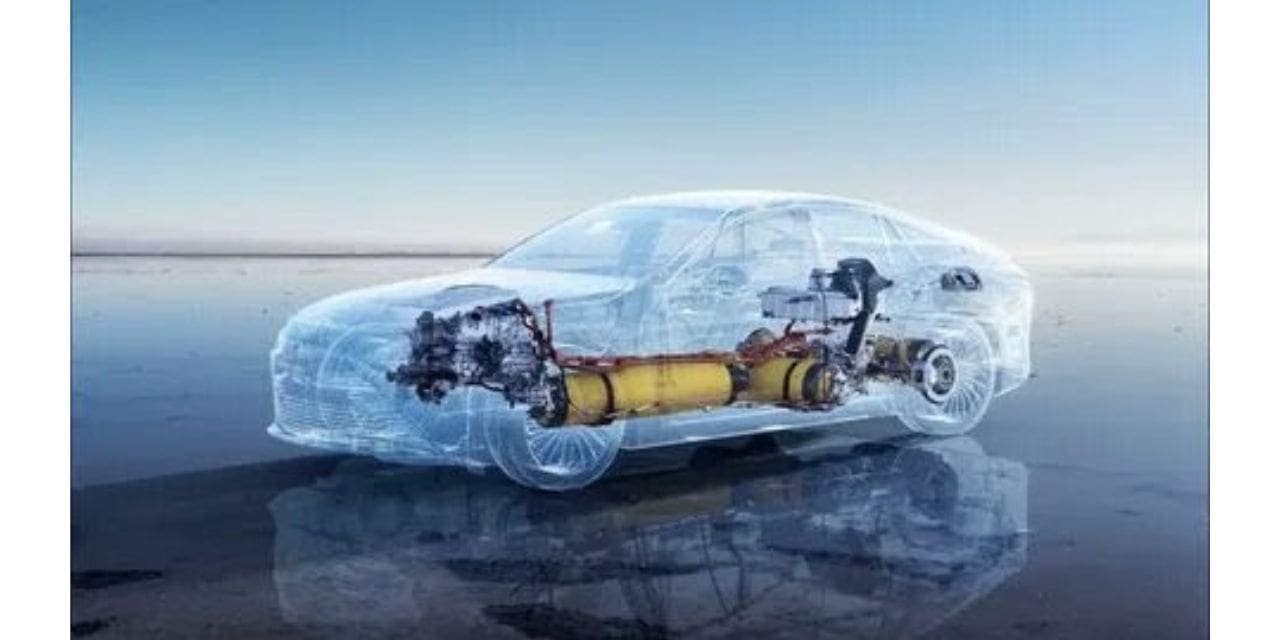
The automotive industry is undergoing a major shift toward sustainable mobility. While battery electric vehicles (BEVs) have long dominated discussions, fuel cell vehicles (FCVs) are gaining traction as an alternative clean-energy solution. Powered by hydrogen and emitting only water vapor, FCVs are positioned as a critical contributor to reducing transportation-related carbon emissions.
The Fuel Cell Vehicle Market is advancing rapidly with innovations in hydrogen fuel cells, storage, infrastructure, and digital integration. Supportive government policies and industry collaborations are further boosting adoption across passenger and commercial segments. Below are the most significant technological breakthroughs shaping FCVs today.
1. Breakthroughs in Hydrogen Fuel Cell Efficiency
Recent innovations in proton exchange membrane (PEM) fuel cells have enhanced efficiency and reduced costs. Next-gen PEM cells operate at lower temperatures, require less platinum catalyst, and feature improved thermal and water management. These upgrades ensure better durability and performance in varying climates, bringing FCVs closer to parity with gasoline-powered cars in mileage and operating costs.
2. Lightweight Materials and Advanced Vehicle Design
Innovations in composite materials and carbon fiber tanks now allow safe hydrogen storage at up to 700 bar. Automakers are integrating lightweight aluminium and reinforced plastics to improve aerodynamics and fuel economy, extending driving range without compromising safety. Such developments are particularly vital for commercial fleets and public transport.
3. Expansion of Hydrogen Refueling Infrastructure
Limited infrastructure has been a hurdle for FCVs, but investments in hydrogen stations are accelerating worldwide. AI- and IoT-enabled smart refueling systems now optimize supply, monitor stations remotely, and reduce downtime. These digitized networks are boosting consumer confidence while strengthening urban and intercity adoption.
4. Advances in Solid Oxide and Hybrid Fuel Cells
Beyond PEM cells, solid oxide fuel cells (SOFCs) can run on multiple fuels including biogas and natural gas, making them versatile. Hybrid fuel cell-battery systems are gaining popularity by combining long range with efficient peak power management, providing flexible solutions for different vehicle types.
5. Integration of AI and IoT
AI-driven diagnostics and IoT sensors are enhancing FCV reliability by predicting component failures, improving maintenance cycles, and optimizing fuel efficiency. Predictive analytics also supports fleet operators in reducing downtime and costs, while connected hydrogen stations share real-time data with vehicles for seamless refueling.
6. Renewable Hydrogen Production
Green hydrogen produced via electrolysis using solar, wind, or hydropower is scaling up, making FCVs more sustainable. Large-scale electrolyzer projects are expected to integrate with refueling infrastructure, reducing costs and driving mass adoption. This shift to renewable hydrogen is seen as a key market growth driver.
7. Focus on Heavy-Duty and Commercial Applications
Commercial fleets, buses, and long-haul trucks are turning to FCVs for their range and quick refueling advantages. Innovations in modular fuel cell stacks, large hydrogen storage systems, and advanced powertrains are making hydrogen-powered freight and transit a viable decarbonization pathway.
8. Collaborations and Strategic Investments
The pace of FCV innovation is fueled by global partnerships among automakers, governments, and technology firms. Joint ventures are scaling production, cutting costs, and expanding hydrogen infrastructure. Industry analysts emphasize that such collaborations will define the FCV competitive landscape in the coming decade.
The Road Ahead
Despite challenges of high costs and limited infrastructure, continuous innovations in hydrogen fuel cells, materials, renewable energy integration, and AI-driven systems are strengthening the case for FCVs. As countries aim for net-zero targets, fuel cell vehicles are set to play a pivotal role in the global transition toward cleaner, sustainable mobility.


