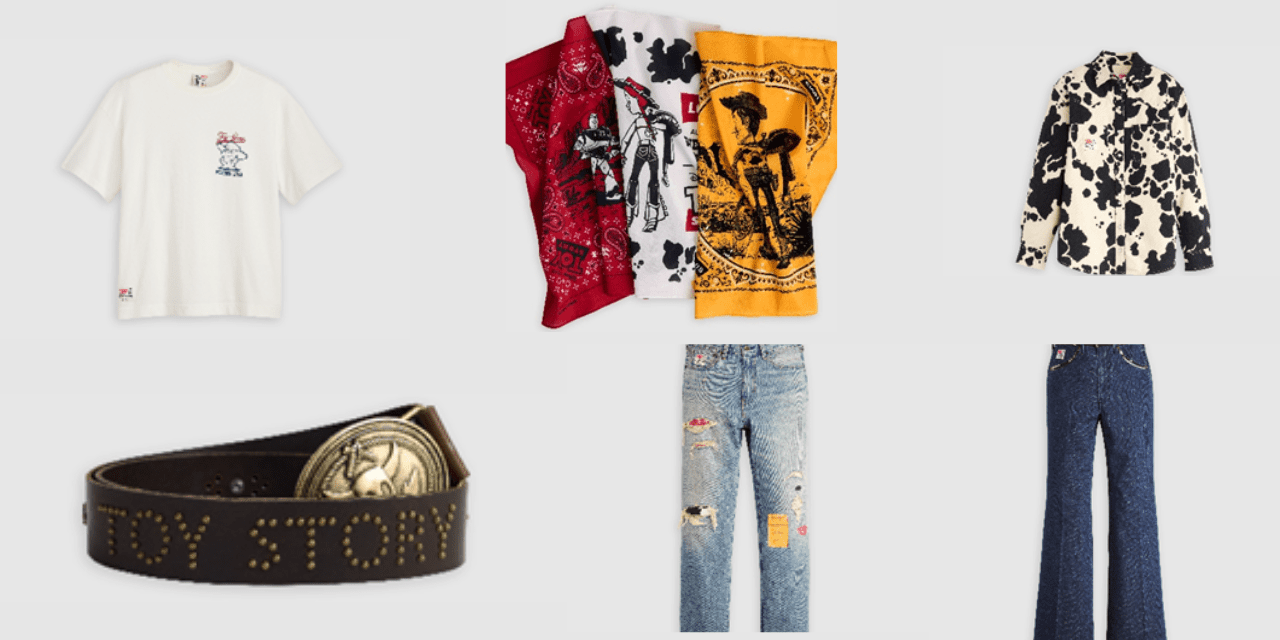
Digital textile printing is a modern method of printing designs directly onto fabric using inkjet technology. Unlike traditional printing techniques such as screen printing, it allows for high-resolution, customizable, and on-demand production with minimal setup. This flexibility enables shorter production runs, faster prototyping, and intricate patterns that were previously hard to achieve, transforming the fabric designing sector.
The digital version of textile printing is more sustainable as it uses less water, energy, and dye, hence reducing waste. Designers are now able to experiment more freely, leading to faster trend adoption and personalized fashion. Emerging technologies such as pigment-based inks, reactive dyes, and AI-driven design automation have enhanced print quality and production efficiency.
How e-commerce is driving digital textile innovation
As per Allied Market Research report, the global digital textile printing domain was valued at $2 billion in 2020 and is expected to generate $7.9 billion by 2030, with a CAGR of 14.8% between 2021 and 2030. The rapid growth of digital textile printing is significantly driven by the rise in proliferation of online retail and e-commerce platforms. These platforms make it easy for consumers to access personalized and customized designs tailored to individual preferences. The digital version of textile printing supports quick, cost-effective production of small fabric batches, making it ideal for short production runs and on-demand printing, which are suited for the fast fashion and e-commerce sectors.
Furthermore, it minimizes production costs, reduces material waste, and lowers the need to maintain large inventory stocks. Notably, the demand for direct-to-garment (DTG) printing is on the rise, offering high-quality output directly onto finished garments. DTG provides greater flexibility for short-run custom apparel. The sector’s potential continues to grow with advancements in ink innovation, automation, and print technology.
Technological advancements shaping the future of digital textile printing
The digital textile printing industry is evolving rapidly, driven by eco-friendly innovations and smart technologies. Solutions such as waterless printing have become popular among manufacturers and consumers, helping reduce environmental impact by minimizing water and chemical use. Technologies such as AI and IoT play crucial roles in optimizing the printing process. AI improves color matching, reduces ink & material waste, and alerts users about potential machine issues. IoT-enabled printers monitor conditions such as ink levels, temperature, and humidity, automatically adjusting settings to ensure high-quality results without manual intervention. Moreover, single-pass printing is another major advancement, allowing high-speed printing on large volumes of fabric in one go. It significantly boosts efficiency while maintaining clarity and precision, making it ideal for fast-paced production environments.
In addition, surge in adoption of Direct-to-Film (DTF) printing is shaping the future of the industry. This method prints designs onto a film and transfers them to fabric using heat. Unlike traditional methods, DTF is compatible with a wide range of materials such as cotton, polyester, and synthetic fabrics. Furthermore, innovations in 3D textile printing enable the creation of unique textures and patterns, enhancing design possibilities. Meanwhile, smart textile printing uses conductive inks that allow fabrics to light up, connect to devices, or track health data, laying the foundation for interactive, wearable technology known as smart clothing. These advancements improve efficiency & customization and support sustainability & innovation in modern textile manufacturing.
Recent developments in the sector
In September 2024, Roland DG Corporation launched the TY-300 Direct-to-Film (DTF) production transfer printer, designed for high-quality, cost-effective apparel printing. The TY-300 supports vibrant, durable prints on a variety of fabrics and emphasizes user safety with advanced system controls, making it ideal for custom garment businesses.
In April 2024, Seiko Epson Corporation expanded its dye-sublimation printer lineup with the SureColor F11070 and F11070H. The F11070 is built for high-speed, high-volume output, while the F11070H offers extended ink configurations, allowing for a wider color gamut and more vivid results, perfect for print shops, textile manufacturers, and web-to-print businesses.
On January 30, 2024, Agfa and EFI announced a strategic alliance to combine their technologies. Agfa integrated EFI’s roll-to-roll systems, while EFI adopted Agfa’s hybrid inkjet printers. This collaboration strengthens both portfolios, enabling them to deliver a more comprehensive range of industrial printing solutions with enhanced efficiency and customer support.
Conclusion
The digital textile printing industry is experiencing steady growth, driven by advancements in technology, rise in customer expectations, and increase in focus on sustainability. Moreover, companies are adopting eco-conscious methods by using safer inks, reducing water consumption, and minimizing waste. In addition, smart technologies enable data-driven decision-making, helping streamline operations, cut material waste, and accelerate production. These innovations lower costs and enhance print quality & operational efficiency. With the adoption of intelligent, automated systems, manufacturers are better equipped to meet the surge in demand for personalized, high-quality textiles while maintaining environmental responsibility. As the industry evolves, digital textile printing continues to redefine modern fabric production, offering scalable, sustainable, and customer-focused solutions.