China is uniquely positioned to help the global apparel industry cut emissions by 50 percent by 2030, according to new research. The findings are detailed in Landscape and Opportunities for the Decarbonization of China’s Textile and Apparel Manufacturing Sector. The report highlights how China’s scale, infrastructure, and policy environment create a strong foundation for rapid decarbonization.
Published by the Apparel Impact Institute in collaboration with Development Finance International Inc., the report builds on ongoing efforts by Chinese apparel sector stakeholders. It examines financing needs, policy frameworks, and implementation pathways. It also outlines practical strategies to scale decarbonization across the textile and apparel value chain.
Scale and Infrastructure Drive Opportunity
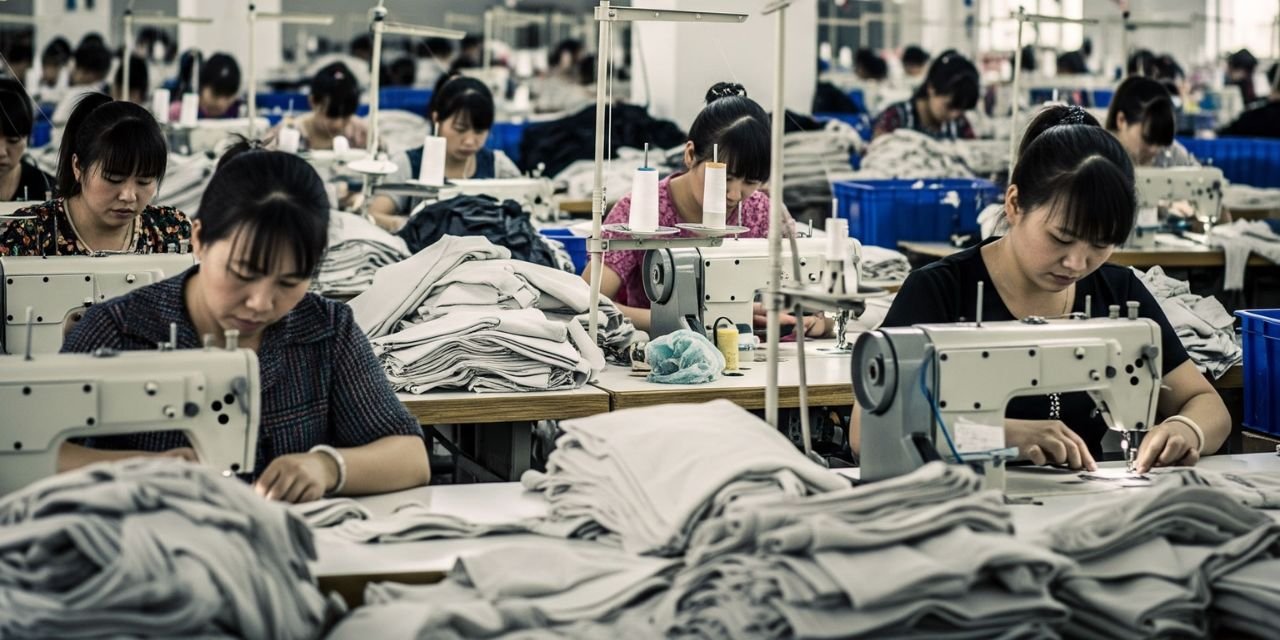
China’s leadership in renewable energy and its vast apparel manufacturing footprint underpin this opportunity. The country is home to more than 40,000 apparel and textile suppliers. Many already have the operational scale and data needed to act immediately.
In addition, China’s extensive industrial park system strengthens its advantage. Over 11,000 enterprises operate across more than 1,300 textile industrial parks. These clusters offer opportunities to build shared governance models, coordinate decarbonization efforts, and reduce costs through bundled projects and shared infrastructure.
Collaboration and Finance Are Critical Enablers
To unlock this potential, the report calls for collaboration across the value chain and beyond. Stakeholders must expand awareness, strengthen planning tools, build technical expertise, and improve access to capital. Without these enablers, progress will remain uneven.
The research estimates that US$40.8 billion is required to achieve a 50 percent emissions reduction across China’s apparel and textile sector by 2030. While international financial institutions provide financing and technical support, many suppliers struggle to access these resources. Complex requirements and higher interest rates limit uptake.
Recommendations for Accelerating Progress
To address these gaps, the report recommends several targeted actions. These include developing blended finance models and deployment-linked grants. It also calls for expanded local technical assistance and the integration of low-carbon planning into core business strategies. Furthermore, the report emphasises sector-wide coordination and the strategic use of industrial parks as hubs for shared solutions and scalable pilots.
Industry Leaders Call for Connected Action
“China’s textile industry has the scale, capability, and growing alignment to lead fashion’s next climate chapter. The building blocks are already here,” said Dave de la Questa, Head of Asia Operations at Development Finance International, Inc. “The next step is connecting them — linking finance, policy, and industry so that every facility, no matter its size, can participate in the transition.”
“While financing and policy frameworks are essential, they only work when paired with practical, scalable, and inclusive on-the-ground conditions that give manufacturers confidence and clarity,” said Lewis Perkins, President and CEO at Apparel Impact Institute. “The report offers a clear call to action: scale local financing, support supplier readiness, and develop an infrastructure of collaboration that will deliver tangible results.”
A Blueprint for Sector-Wide Decarbonization
The report positions China as a potential global leader in apparel decarbonization. By aligning finance, policy, and industry action, the country can accelerate progress at scale. In doing so, it can also set a replicable model for other manufacturing hubs worldwide.