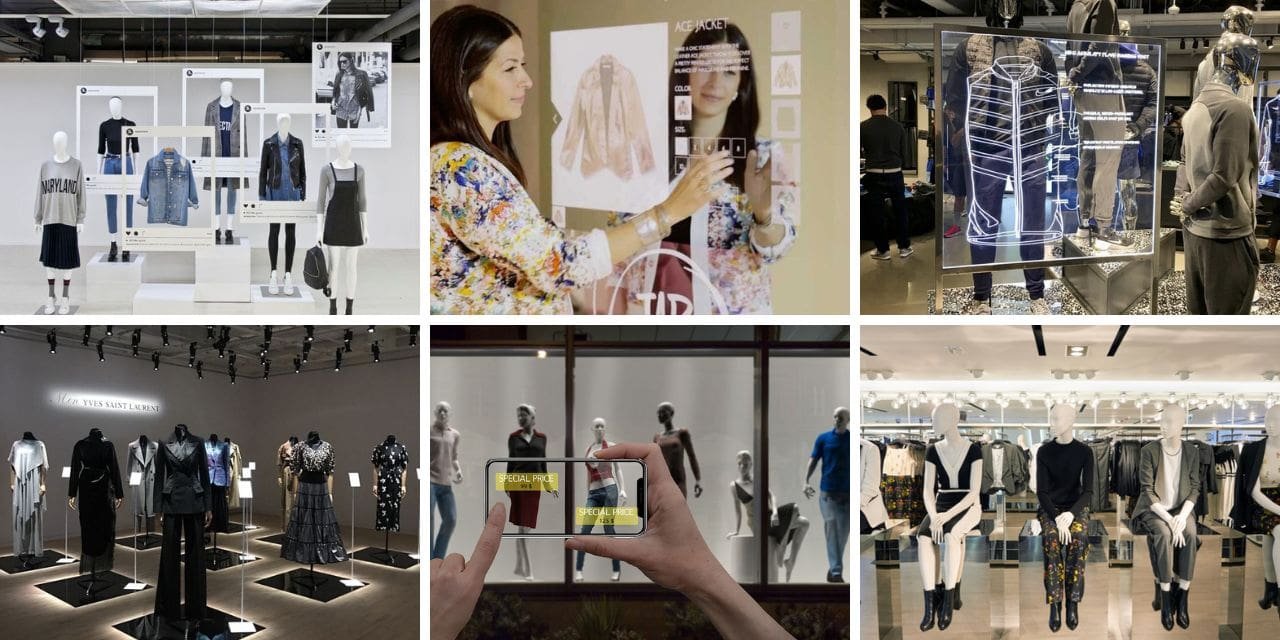
The fashion industry has always been at the forefront of innovation, constantly evolving to meet the ever-changing demands of consumers. Artificial intelligence (AI) has emerged as a game-changer in recent years, revolutionising various sectors. AI is making its mark on fashion, transforming how designers create, retailers operate, and consumers engage with the industry. This article explores how AI technology integration is reshaping the fashion world.
AI IN DESIGN: THE CREATIVE PARTNER
With the integration of AI, fashion designers now have access to tools and technologies that enhance their creativity and streamline their work. AI significantly contributes to the fashion world, from virtual design studios to intelligent fabric selection.
- Virtual Design Studios: AI-powered virtual design studios provide designers with a digital platform to create and modify designs in a virtual environment. This technology allows designers to experiment with different colours, patterns, and shapes without physical prototypes. By using AI algorithms, designers can receive real-time feedback on their designs and adjust on the spot, saving time and resources.
- Intelligent Fabric Selection: The fabric choice is crucial in the design process. AI algorithms can analyse various factors such as texture, durability, and sustainability to help designers select the most suitable fabric for their creations. This ensures that the final product meets the desired quality standards and reduces waste and environmental impact.
AI IN RETAIL: THE PERSONALISED STYLIST
By integrating AI into the fashion industry, retailers can now provide customers customised recommendations tailored to their style, body shape, and preferences.
- Personalised Recommendations: Gone are the days of spending hours trying on multiple outfits in the fitting room. AI-powered virtual styling tools can now analyse your body shape and provide personalised clothing options that best suit your figure. These tools consider factors such as height, weight, body proportions, and even skin tone to ensure you find the perfect fit every time.
- Virtual Trials: One of the biggest challenges of online shopping is the inability to try on clothes before purchasing them. However, AI has solved that problem, too. Virtual trials, powered by AI, allow shoppers to see how a garment would look on them without physically trying it on. By simply uploading a photo or inputting their body measurements, shoppers can virtually try on clothes and see how they would look on their bodies. This helps make more informed purchasing decisions and reduces the likelihood of returns.
- Style Recommendations: Finding your style can be a daunting task. But with AI, it has become much easier. AI-powered systems can generate style recommendations that align with your preferences by analysing your past purchases, browsing history, and social media profiles. These recommendations consider your preferred colour palette, patterns, and even your favourite brands. This saves you time and ensures you always look and feel your best.
- Chatbots: Have you ever wished a personal stylist could assist you with your fashion dilemmas? Well, that wish has become a reality with integrating AI chatbots in retail. AI-powered chatbots can provide personalised styling advice, answer fashion-related queries, and suggest accessories or outfit combinations. These virtual stylists are available 24/7, ensuring you always have someone to turn to for fashion inspiration.
AI IN SUPPLY CHAIN MANAGEMENT: EFFICIENCY
Integrating AI technology in fashion supply chain management brings numerous benefits to the industry, including improved efficiency, sustainability, and ethical practices. By leveraging AI algorithms, fashion companies can optimise their processes, reduce waste, and make data-driven decisions.
- Improved Forecasting and Demand Planning: AI algorithms can analyse vast amounts of data from various sources, enabling fashion companies to predict customer demand and create effective inventory management strategies accurately. By leveraging historical sales data, social media trends, and other relevant market information, brands can make informed forecasting, production, and distribution decisions. This reduces the risk of overstocking or understocking, minimises wastage, and improves product availability, resulting in higher customer satisfaction.
- Efficient Inventory Management: With the help of AI, fashion brands can optimise their inventory management by automating processes such as stock replenishment and allocation. AI algorithms continuously analyse sales patterns, seasonality, and market trends, enabling brands to maintain optimal stock levels across their supply chain. This improves operational efficiency, reduces carrying costs, and minimises the likelihood of stockouts or excess inventory.
- Streamlined Supply Chain Operations: AI integration in the supply chain allows for enhanced visibility and transparency. Real-time tracking of shipments, inventory levels, and production processes enables brands to identify bottlenecks quickly, anticipate delays, and take corrective actions promptly. By streamlining these operations, fashion brands can ensure timely delivery, reduce lead times, and enhance customer satisfaction.
- Predictive Maintenance: AI-powered predictive maintenance revolutionises how fashion brands manage machinery and equipment. By constantly monitoring performance data, AI algorithms can detect anomalies or potential failures before they occur. This enables brands to schedule preventive maintenance, reduce downtime, and optimise equipment efficiency. By minimising costly breakdowns and prolonging the lifespan of machinery, fashion companies can improve productivity, reduce resource consumption, and reduce their environmental impact.
AI AND SUSTAINABILITY: A GREENER FUTURE
AI rapidly transforms the fashion industry, offering new possibilities for sustainability and a greener future. By leveraging AI technologies, fashion brands can optimise supply chain processes, develop sustainable materials, reduce waste, promote responsible consumption, and personalise shopping experiences.
- Enhancing Supply Chain Efficiency: The fashion industry’s supply chain is complex and often lacks transparency, making tracking materials and monitoring production practices challenging. AI can streamline the supply chain by collecting and analysing data at various stages, from sourcing raw materials to distribution. This enables better visibility and traceability, ensuring responsible sourcing, reduced waste, and improved ethical practices.
- Sustainable Material Innovation: One of the key environmental challenges in the fashion industry is the overuse of non-renewable resources and the excessive production of synthetic materials. AI can help address this issue by facilitating sustainable material innovation. AI-powered systems can identify and develop eco-friendly alternatives with a lower environmental impact by exploring alternative materials, such as plant-based fabrics or recycled fibres.
- Waste Reduction and Recycling: Waste generation is a significant concern in the fashion industry, especially from unsold and discarded clothing. AI can tackle this issue by optimising inventory management and forecasting consumer demand. By analysing data patterns and consumer preferences, AI can help brands produce clothing in a more targeted and efficient manner, reducing the amount of unsold inventory. Additionally, AI can assist in recycling by identifying and sorting materials for reprocessing, contributing to a circular economy in fashion.
- Personalised Shopping and Sustainable Consumption: The rise of AI-powered fashion platforms and recommendation engines enables personalised shopping experiences for consumers. By understanding individual preferences, AI can suggest sustainable fashion choices to consumers, promoting responsible consumption. AI algorithms can consider factors such as a garment’s eco-credentials, ethical production, and durability, offering shoppers sustainable alternatives that align with their values.
IMPACTS of ADOPTION OF AI IN fashion INDUSTRY
Adopting AI in the fashion industry brings both positive and negative impacts. AI offers numerous opportunities for fashion brands, from enhanced design and personalised shopping experiences to efficient supply chain management. However, addressing concerns such as job displacement, data privacy, and the need for a human touch is essential. By harnessing the power of AI while also ensuring ethical and human-centric practices, the fashion industry can truly leverage the benefits of this transformative technology.
POSITIVE
- Enhanced Design and creativity: AI algorithms can analyse vast amounts of data, including fashion trends, customer preferences, and historical sales data, to generate insights and ideas for new designs. This technology enables designers to enhance their creativity and produce innovative and unique designs. By identifying patterns and predicting future trends, AI can assist fashion designers in creating products that resonate with their target audience.
- Efficient Supply Chain Management: AI-powered algorithms can optimise the fashion industry’s inventory management and supply chain operations. AI can help streamline manufacturing processes, reduce costs, and minimise waste by analysing real-time customer demand, production capacities, and logistics data. This leads to a more efficient and sustainable supply chain for fashion brands.
- Personalised Shopping Experience: AI can provide personalised recommendations to customers based on their preferences, size, and previous purchases. By analysing customer data, such as browsing history and social media interactions, AI algorithms can suggest relevant products, increasing the likelihood of a purchase. This tailored shopping experience enhances customer satisfaction and loyalty.
- Improved Virtual Fitting Technology: One of the challenges in online shopping for fashion is the inability to try on clothes before purchasing. However, AI-powered virtual fitting technology is changing the game. Using computer vision and machine learning algorithms, AI can create accurate virtual representations of customers and virtually try on clothes. This technology improves the online shopping experience, reduces returns, and increases customer confidence.
NEGATIVE
- Job Displacement: The adoption of AI in the fashion industry may result in job displacement, particularly in roles that can be automated. For example, AI algorithms can efficiently handle certain production, inventory management, and customer service tasks. This may lead to job losses, especially for workers who do not possess the necessary digital skills to adapt to this technology-driven landscape.
- Data Privacy and Security Concerns: AI relies on vast data to function effectively. In the fashion industry, this data includes customer profiles, purchasing behaviour, and personal preferences. However, collecting and storing such sensitive information raises concerns about data privacy and security. Fashion brands must ensure robust security measures and transparent data practices to protect customer information from breaches and misuse.
- Lack of Human Touch: While AI can enhance various aspects of the fashion industry, it may also remove the human touch that customers value. Fashion has always been a personal and creative expression, and some customers may prefer interacting with human sales associates or designers rather than AI-powered systems. Maintaining a balance between AI technology and human interaction is crucial to cater to all customer preferences.
CASE STUDY
NIKE

- The Problem/Issue: Nike’s need for innovation and customer engagement in the face of the global pandemic and its challenges in terms of sustainability, customer service accessibility, and data privacy concerns.
- Solution Overview: Nike’s holistic approach to AI encompasses customer experience and supply chain management. Utilising AI-powered apps for shoe fitting, personalised recommendations, deep customer analytics, and integrating AI and machine learning in the supply chain for demand prediction and improved service quality.
- Key Innovations: Nike uses augmented reality and a 13-point shoe-fitting measuring system to establish regional distribution centres fueled by AI algorithms and collaborate with Cognizant to enhance global technology operations.
- Implementation & Impact: Pragmatic implementation of AI solutions, resulting in improved customer relationships, valuable data for product design and inventory management, tripled digital order capacity, enhanced self-service capabilities, improved service productivity, and cost savings.
- Challenges to Scale: Data privacy concerns, achieving 24/7 customer service accessibility, and ensuring sustainable use of technology.
- References: AIX