
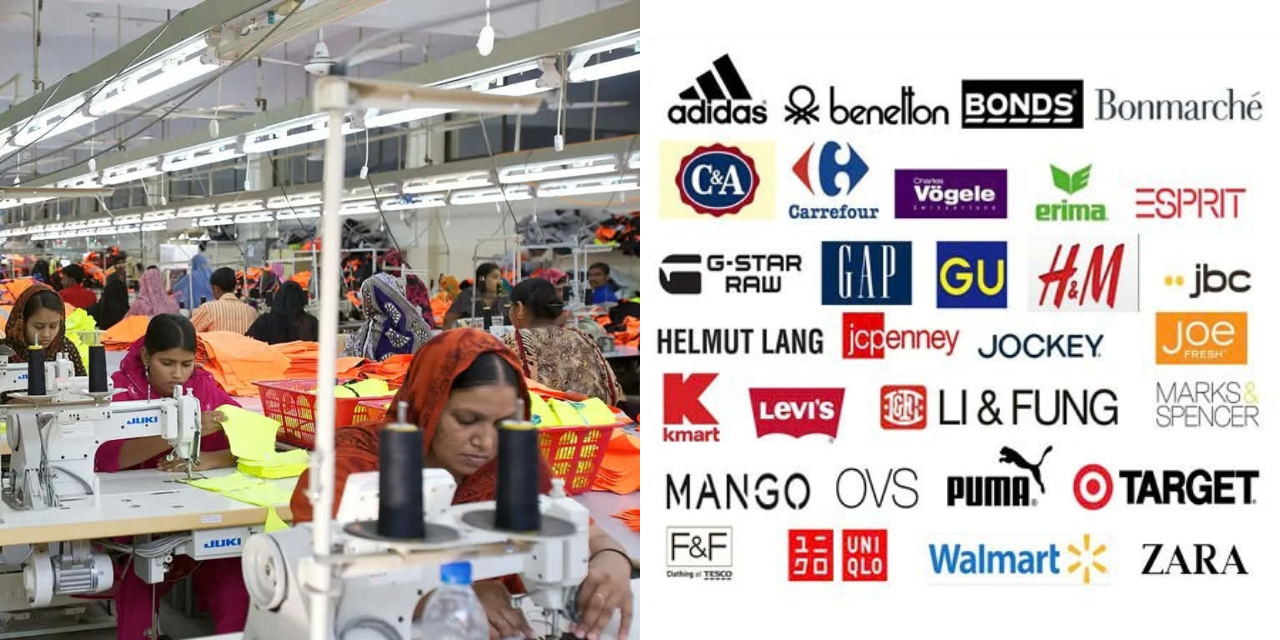
Buyer-Supplier Partnerships Drive Bangladesh’s Apparel Growth
Bangladesh has built a strong position in the global ready-made garment (RMG) industry. Major international brands and retailers, including H&M, Walmart, Inditex, Primark, Adidas, Mango, Levi Strauss & Co., Nike, GAP, Marks & Spencer, C&A, Uniqlo, Li & Fung, Lidl, Aldi, Kmart, Target and American Eagle, source apparel from the country.
The scale of this global buyer network highlights Bangladesh’s importance as a garment sourcing destination. In August 2026, Bangladesh’s RMG exports grew 13.92% year on year to $3.89 billion, accounting for around 88.01% of the country’s total monthly merchandise export earnings.
As one of the world’s leading RMG exporters, the apparel sector plays a major role in Bangladesh’s economy. It also creates employment and supports wider industrial development.
However, the next phase of growth will require closer cooperation between government, suppliers and international buyers.
Stronger Collaboration Can Improve the Supply Chain
Bangladesh’s apparel industry can unlock further growth by taking a full value chain approach.
For example, suppliers and buyers can work together to improve supply chain efficiency and transparency. They can expand the use of lean manufacturing, electronic data exchange and better information sharing.
Buyers can also develop stronger and longer-term relationships with suppliers. In some cases, this may require buyers to rethink pricing negotiations and recognise the rising costs of responsible production.
At the same time, leading suppliers are becoming more selective about their customers. Some are even ending relationships with long-standing buyers when those partnerships no longer support their business needs.
Therefore, buyers need to build relationships based on trust, transparency and long-term value.
Buyers Also Need to Improve Operations
Supplier performance alone cannot improve the entire supply chain. Buyers must also address their own operational challenges.
Long response times can slow production. Complex internal processes between merchandising and sourcing teams can create further delays. Moreover, frequent last-minute changes can disrupt production schedules and increase costs.
Buyers should therefore streamline internal processes and provide suppliers with clearer information at an earlier stage.
Compliance also needs continued attention. Buyers must work closely with suppliers to support workplace standards, environmental goals and responsible sourcing practices.
Bangladesh Remains Dependent on Imported Inputs
Bangladesh has developed a large spinning industry, with mills operating across the country. However, the RMG sector still depends heavily on imported raw materials.
Cotton remains a major imported input for yarn production. In addition, manufacturers import many of the chemicals used in dyeing and printing.
The packaging sector also relies on imported raw materials. Similarly, Bangladesh has an emerging domestic market for garment machinery, but local production does not yet meet the industry’s full requirements.
As a result, manufacturers continue to import much of the light and heavy machinery used in RMG production.
This dependence creates both challenges and opportunities. Greater domestic capacity could help reduce supply chain risks and improve the industry’s resilience over time.
Key Advantages of Bangladesh’s Apparel Industry
Bangladesh offers several advantages to global apparel buyers.
Cost-Effective Labour
The country has a large workforce, while apparel production costs remain competitive compared with several other sourcing markets. This cost advantage continues to attract international brands and retailers.
Market Access
Bangladesh benefits from duty-free or preferential market access in several important markets, including the European Union, Canada and Japan. This supports export competitiveness.
Manufacturing Infrastructure
Over the years, Bangladesh has developed a strong manufacturing base. Industrial parks, specialised zones and modern factories now support large-scale apparel production.
Skilled Workforce
The industry has a large pool of skilled and semi-skilled workers with extensive experience in garment manufacturing.
Improved Compliance
Bangladesh’s apparel sector has made progress in workplace safety, labour standards and worker rights. These improvements have helped strengthen responsible manufacturing practices.
Growing Sustainability Focus
Sustainability has become increasingly important for both manufacturers and global buyers. Many Bangladeshi factories now adopt environmental practices and certifications such as LEED and GOTS.
Employment Generation
The RMG industry provides employment to millions of people, particularly women. Therefore, it contributes to poverty reduction and wider socio-economic development.
Foreign Investment
International companies and investors have continued to explore opportunities in Bangladesh’s apparel industry. Partnerships with local manufacturers also support investment and technology transfer.
Economic Diversification
The garment sector has helped Bangladesh move beyond traditional economic activities. It has also supported industrialisation and the growth of related industries.
Global Reputation
Bangladesh has developed a strong reputation as a major sourcing destination for apparel. Its manufacturing scale, competitive costs and growing capabilities continue to attract global buyers.
Major Export Markets for Bangladesh Apparel
Bangladesh’s apparel exports reach markets across the world. Key destinations include:
- United States
- European Union
- United Kingdom
- Canada
- Germany
- France
- Italy
- Spain
- Japan
- Australia
The United States and European Union remain among the most important markets for Bangladesh’s apparel exports.
As global apparel demand evolves, these markets will continue to play an important role. At the same time, Bangladesh can explore new markets to diversify its export base.
Sustainability Becomes a Strategic Priority
Sustainability now forms an important part of the global apparel business. Bangladesh therefore faces both an opportunity and a major responsibility.
The country’s garment industry has significant potential to strengthen its position in global trade. However, it also faces environmental challenges, including global warming, groundwater depletion and river pollution.
The fashion industry itself faces growing pressure to reduce its environmental impact. Yet clothing remains a basic human need. The challenge, therefore, is to balance fashion demand with environmental responsibility.
Global brands have increasingly committed to more responsible production. Consequently, Bangladeshi manufacturers and the government are working to support these commitments through new policies and industry initiatives.
One important development has been the wider adoption of sustainability reporting across garment factories. This practice can help manufacturers track environmental performance, improve transparency and respond to the expectations of global buyers.
Building the Next Phase of Bangladesh RMG
Bangladesh has already established itself as a major global apparel sourcing hub. However, future growth will depend on more than competitive production costs.
Stronger buyer-supplier relationships can improve planning, efficiency and transparency. Meanwhile, investment in local raw materials, machinery, technology and sustainability can strengthen the industry’s resilience.
Most importantly, buyers, suppliers and policymakers need to work together. With greater collaboration across the value chain, Bangladesh can build on its existing strengths and pursue more sustainable growth in the global apparel market.
By Tanbir Hasan (Sanid)
Chairman
Reveree (Fashion Starts Here), Bangladesh


