By Pranav Dutta, Founder, Siatex Apparel (Dhaka, Bangladesh)
When buyers hear “Bangladesh,” most still picture knitwear: T-shirts, polos, hoodies. That picture is a decade out of date. Over the past five years, some of the sharpest growth in Bangladeshi apparel exports has come from bottoms — denim jeans, chinos, cargo trousers, joggers, and performance pants. Trousers are quietly becoming the country’s next signature category. Here’s what international buyers should understand about the shift.
1. The capability jump is real
Making a good T-shirt is mostly about consistent knitting, dyeing, and stitching. A tailored chino or a stretch denim jean is a different engineering problem: pattern grading across sizes, pocket construction, waistband stability, zipper and buttonhole durability, and wash treatments that hold color through fifty home laundries.
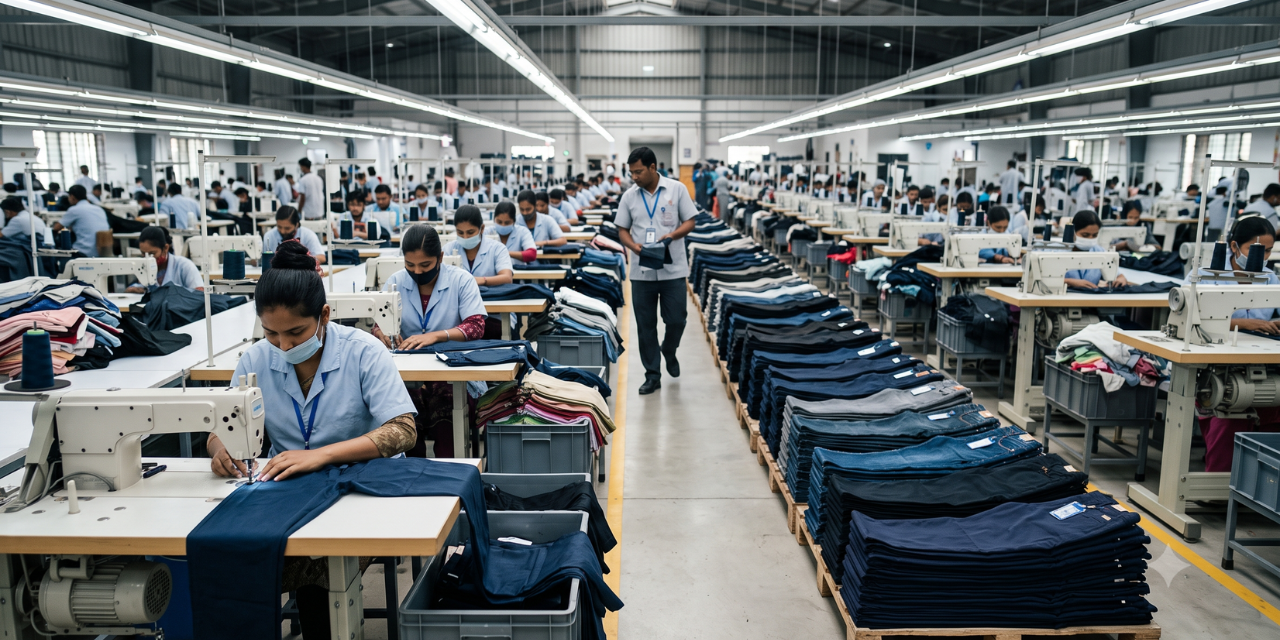
Bangladeshi factories spent the last decade climbing exactly this curve. Many invested in automated cutting rooms, laser finishing, and ozone wash plants — the same equipment you’d find in Turkey or Vietnam. A buyer auditing a mid-size Dhaka trouser factory today will typically find CAD pattern systems, fabric testing labs, and in-house washing. The gap that used to justify a 30–40% price premium elsewhere has narrowed to process discipline, not machinery.
2. MOQs are negotiable — if you understand the cost structure
New buyers often assume Bangladesh only serves 50,000-piece orders. In bottoms, that’s rarely true anymore. The real constraint isn’t order size; it’s fabric. A 3,000-piece chino order is perfectly viable if the buyer accepts a stock fabric or a mill’s running color. It becomes painful when the buyer demands a custom-dyed twill for a small run — the dye lot minimum, not the factory, sets the floor.
Smart buyers split the conversation: negotiate the garment MOQ with the factory, and the fabric MOQ with the mill (or accept the factory’s nominated stock). This single distinction unlocks small-batch sourcing that most competitors overlook.
3. Compliance is the filter, not the feature
Every serious Bangladeshi exporter today holds the standard stack — WRAP, Sedex, OEKO-TEX, ISO. Accord/Alliance-era remediation rebuilt the factory base structurally. So when every shortlisted supplier shows the same certificates, buyers should audit what certificates can’t show: middle-management depth (who runs the floor when the owner travels?), turnover rates among sewing operators, and how the factory handled its last major quality claim.
Ask for the corrective-action report from their most recent third-party audit, not just the certificate. The factories worth partnering with will share it without hesitation.
4. Washing is where margins hide
In denim and garment-dyed bottoms, the wash house determines both the look and the cost. Enzyme washes, stone-free abrasion, and laser whiskering each carry very different chemical, water, and labor costs — and wildly different environmental footprints. Buyers who approve a wash standard from a photo, without agreeing the process recipe, routinely discover that bulk production “can’t match” the salesman sample.
Insist on a sealed wash standard and a documented process sheet before bulk. It eliminates the most common dispute in bottoms sourcing.
5. Lead time honesty beats lead time promises
A factory quoting 45 days for 20,000 denim jeans in peak season is either planning to subcontract or planning to be late. Realistic bottoms lead times from Bangladesh run 60–90 days door-to-door for developed styles, longer for new washes requiring lab dips and strike-offs. The factories that quote honestly — and show you their cutting-room loading plan — outperform the optimists every time.
The bottom line
Bangladesh earned its reputation on knitwear, but its trouser factories have quietly become some of the most capable — and competitively priced — in the world. Buyers who look past the old stereotype, vet process rather than paperwork, and negotiate fabric and garment terms separately will find a supply base ready for serious bottoms programs.
Author bio: Pranav Dutta is the Founder of Siatex Apparel, a Dhaka-based manufacturer producing pants and trousers for brands, importers, and wholesalers worldwide. Website: https://www.siatexapparel.com