Image Credit: Unsplash
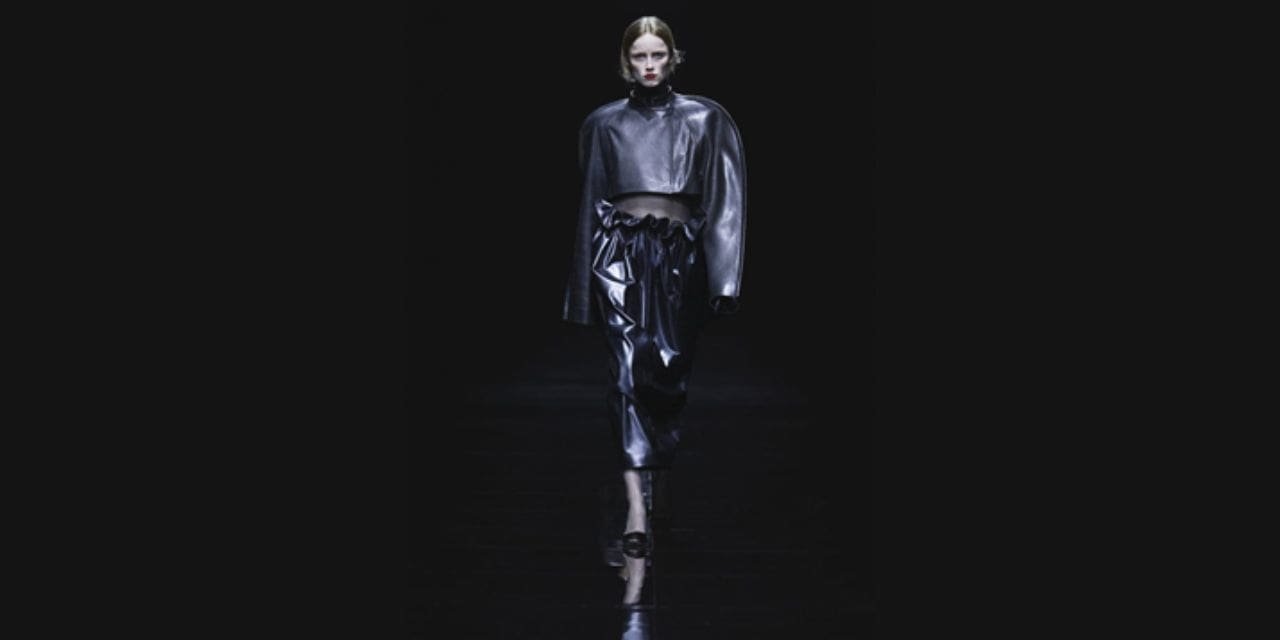
From the clothes we wear to the gadgets in our hands, design is getting more personal and intuitive. We don’t just accept uncomfortable or difficult-to-use things anymore, even if they get the job done. This move towards designing with people in mind is all thanks to ergonomics. That’s the science of designing products and environments around how people move, think, and work. It’s about blending good looks with usefulness, giving us clothes that move with us and tools that feel like they’re part of our own bodies.
Designing for User Comfort
Basically, ergonomics is about making the job fit the person, not the other way around. When designers use this idea, they think about how our bodies work, how we think, and how we move. This helps them create things that aren’t just comfy, but also work well and are safe to use. It’s much more than just a soft handle or a padded shoe. Good ergonomic design actually figures out what you’ll need and tries to make things easy on your body and mind.
For clothes, this means things like hiking pants with knees that bend easily so you can move freely, or jackets with articulated shoulders that stop them from riding up when you lift your arms. It’s about making clothes that don’t hold you back, but instead work with your body. In the same way, the importance of ergonomics in tool design focuses on making handles that fit the natural curve of your hand. This means you don’t have to use as much force, and controls are easy to reach. The main idea is to make everything feel natural and easy to use.
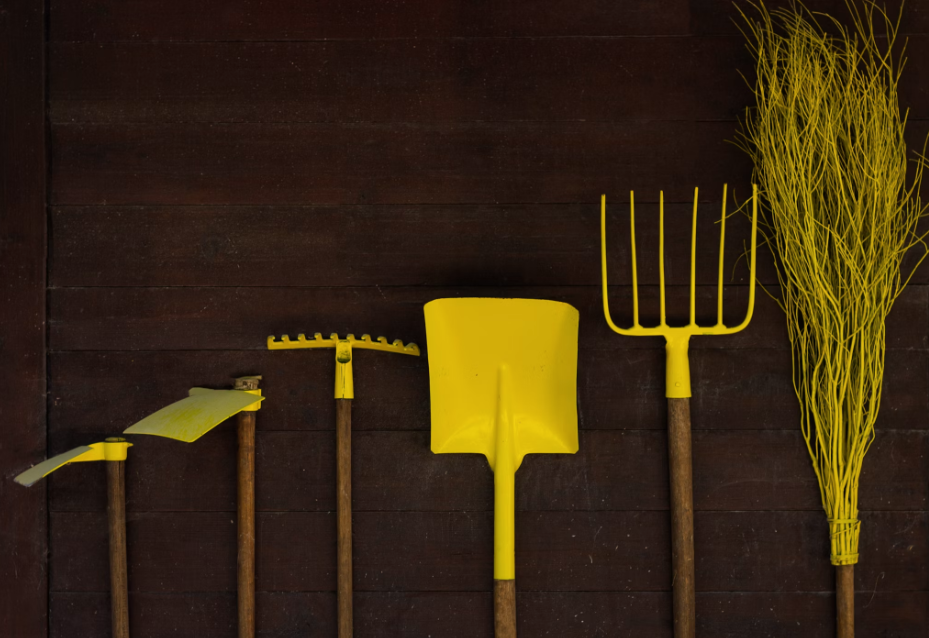
Image Credit: Unsplash
Preventing Strain and Fatigue
One of the best things about ergonomic design is how it helps stop aches, pains, and injuries. Doing the same movements over and over, holding awkward positions, or using too much force are big reasons why people get muscle and joint problems. But well-designed products can really cut down these risks. Just think about the difference between an old, heavy vacuum cleaner you have to fight with around corners, and a new, light one that glides easily across the floor. The new one isn’t just simpler to use; it’s also much kinder to your back and shoulders.
That’s why ergonomic outdoor tools, like a well-designed pole chain saw, can make jobs like pruning high branches more manageable. By reducing physical strain, ergonomic tools can help people work more comfortably and efficiently.
Smart Apparel for Performance
When fashion meets technology, we get a new kind of smart clothing. It’s made for performance and comfort, creating new adaptive clothing market opportunities. These aren’t just clothes; they’re active systems that make you more comfortable, monitor aspects of your health, and even boost your physical abilities. From fabrics that wick away sweat to keep you cool, to compression clothes that support your muscles and help blood flow, the materials themselves are getting smarter.
Beyond cool fabrics, adding sensors and electronics is pushing ergonomic clothing even further. Now we have shirts that can track your heart rate and breathing, and even socks that check how you run to help prevent injuries. A big thing designers think about is making sure there is comfort in wearable design. After all, a device is useless if it’s too bulky or annoying to wear. Designers are working on smooth, light wearables that feel like a second skin. This mix of textiles and tech is changing clothes from something you simply wear into an active tool for supporting your health and well-being.
Ergonomics in Outdoor Equipment
You can really see how much ergonomics matters in outdoor activities. Whether you’re hiking a mountain or spending an afternoon in the garden, having the right gear makes a huge difference. Outdoor equipment has always been a great place to test out human-centered design, because how well something works and how comfortable it is directly affects your safety and how much fun you have.
Take a modern hiking backpack, for instance. It’s an amazing piece of ergonomic engineering. It has adjustable systems that shift weight from your shoulders to your hips, back panels that let air through to reduce sweat, and lots of straps to keep your load steady. Hiking boots are another perfect example, with shaped footbeds that support your arch, shock-absorbing soles, and ankle support that handles bumpy ground. Even smaller things, like trekking poles with cork handles that conform to your grip, are designed to reduce fatigue and ease pressure on your joints. This whole idea is about helping you go further and enjoy your experience more, with less strain on your body.
Ergonomic design also matters when outdoor equipment is used for longer periods or in changing conditions. A product that feels comfortable for five minutes may become tiring after an hour, especially when it is exposed to cold, heat, moisture, or uneven ground. Designers therefore consider grip, weight, balance, adjustability, and ease of movement together rather than treating comfort as a separate feature. For example, a gardening tool should be easy to hold without forcing the wrist into an unnatural position, while outdoor clothing should allow enough room for movement without becoming loose or restrictive. Small details can make a noticeable difference over time. Well-placed straps, breathable materials, cushioned contact points, and balanced handles can reduce the effort needed for everyday tasks. These choices also make equipment easier to use for people with different body shapes, strengths, and physical abilities, making human-centered design more practical and inclusive during longer outdoor activities.
Future of Human-Tool Interaction
Looking ahead, the lines between you, your clothes, and your tools will keep blurring. The future of workplace ergonomics points to a future with exoskeletons and helpful wearables that support us and allow us to do more. Imagine a light suit that supports your back when you lift heavy things, or gloves that gently guide your hands through a tricky task.
For everyday products, we can expect things to be even more personal and adaptable. Tools might use sensors to recognise who’s holding them and adjust their grip or power. Clothes could have smart materials that stiffen to support you when you’re active and then soften when you’re resting. Artificial intelligence will probably play a bigger role, with systems that learn your habits and preferences to give you real-time tips on ergonomics. Think of a tiny buzz in your smartwatch to help you fix your posture. This progress promises a future where the products we use aren’t just made for people in general, but are perfectly tuned for you as an individual.
Ultimately, keeping ergonomics in mind for both clothes and tools means a more comfortable, efficient, and healthier future. As design gets better at understanding the ins and outs of the human body, the products we use every day will feel less like objects and more like trusted companions.