Researchers from Ghana and Germany have launched a joint pilot project to tackle rising textile and plastic waste in Ghana. The initiative will use advanced chemical recycling technologies to recover valuable materials from discarded waste.
The proposed facility will process polyethylene terephthalate (PET)-based textile and plastic waste. It aims to recycle complex materials, including coloured and multilayer composites. Conventional recycling methods often struggle to process these materials.
Chemical Recycling to Recover PET Materials
The process will break down PET waste into its primary chemical building blocks: terephthalic acid and monoethylene glycol. Manufacturers can then reuse these materials to produce new PET products.
Early projections indicate conversion efficiencies of up to 97%. If achieved, this could make the project a promising model for circular recycling.
Addressing Ghana’s Growing Textile Waste Challenge
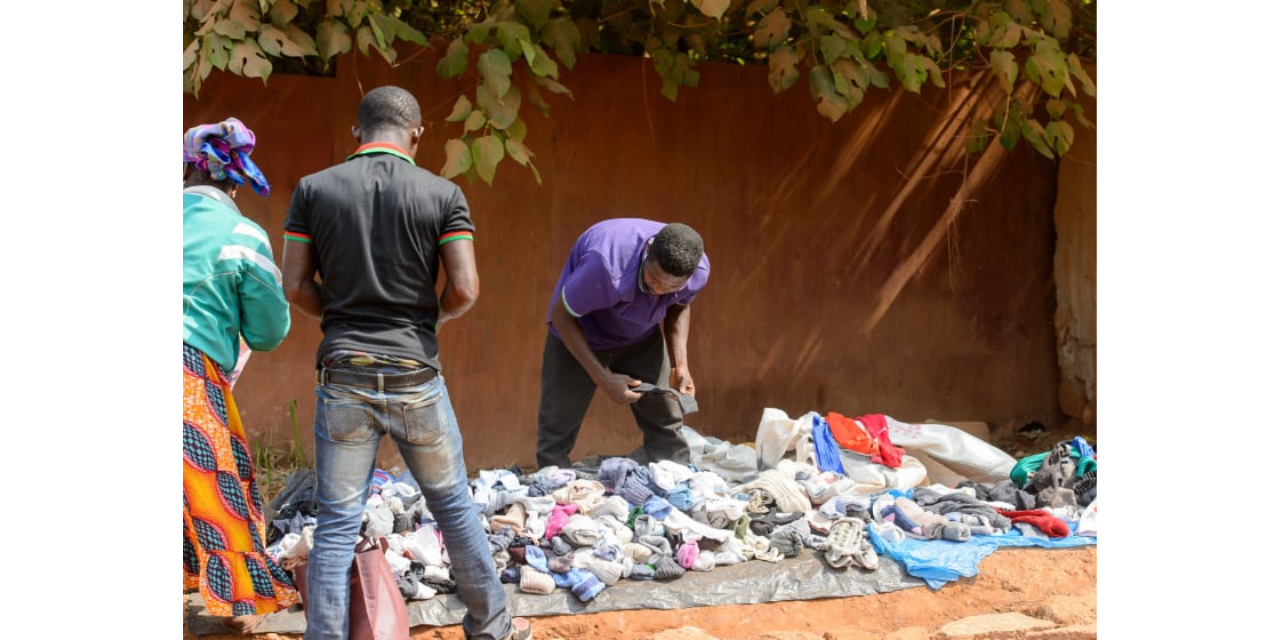
The collaboration reflects growing global interest in advanced textile waste management. This is particularly important in regions facing rising volumes of discarded textiles and imported second-hand clothing.
Through chemical recycling, the Ghana–Germany initiative aims to reduce reliance on landfills. It also seeks to recover valuable raw materials and support a more circular textile economy.
International Collaboration for Recycling Innovation
The pilot project highlights the role of international partnerships in developing next-generation recycling technologies. By converting complex textile waste into reusable industrial materials, the initiative aims to expand recycling options and support more sustainable resource use.