Denim Sustainability: Industry Progress in Numbers
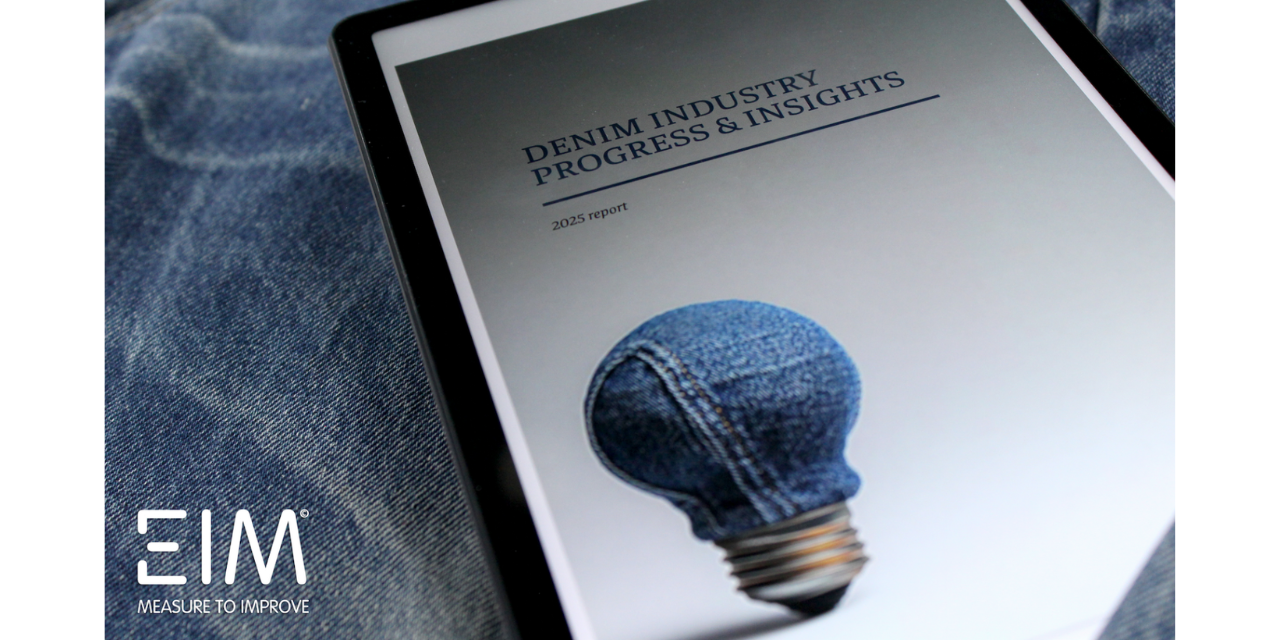
The global denim industry continues to show measurable progress in sustainability, according to the Denim Industry Progress & Insights 2025 report based on the Environmental Impact Measurement (EIM) methodology developed in Spain. EIM has become a widely adopted global benchmark for assessing environmental impact in textile finishing processes.
With around 5 billion pairs of jeans produced annually, the report offers a data-driven view of how the industry is evolving across water use, energy efficiency, chemical impact, and worker health.
Strong Progress in Energy Efficiency
One of the most significant improvements is in energy performance, with 85% of denim finishing processes now classified as low environmental impact. This progress is largely attributed to the modernization of machinery, increased automation, and improved production efficiency across global manufacturing units.
Water Usage Stabilises After Years of Improvement
Water consumption in denim production has stabilised at approximately 30 litres per garment. This indicates a plateau following years of continuous reductions, suggesting that further gains may require more disruptive technological innovation rather than incremental improvements.
Chemical Impact Remains a Key Challenge
Despite advancements in other areas, 27% of processes still fall under high chemical impact, making it one of the most pressing sustainability concerns for the industry. The continued use of traditional finishing methods, limited chemical transparency, and reliance on conventional substances like pumice stones and potassium permanganate contribute to this ongoing challenge.
Worker Health Benefits from Automation
The report also highlights improvements in occupational safety, with 68% of processes showing low impact on worker health. This improvement is linked to the growing shift toward automated systems, which reduce exposure to hazardous manual finishing techniques.
Overall Sustainability Progress Is Uneven
While the data reflects steady improvement in several areas, the report emphasises that progress across the denim value chain is inconsistent. The availability of sustainable technologies is not the main barrier; instead, uneven adoption across manufacturers is slowing industry-wide transformation.
Key Insights Driving Change
- Sustainability gains are being driven by process optimisation and automation
- Energy efficiency shows the strongest performance improvements
- Chemical usage remains the most critical unresolved issue
- Technology adoption gaps limit faster progress
- Environmental benchmarking tools like EIM are essential for transparency
Why It Matters
The denim sector, one of the largest contributors to global apparel production, faces increasing pressure to reduce its environmental footprint. Standardised measurement systems like EIM help brands, manufacturers, and suppliers track impact, improve accountability, and make more informed production decisions.