Why Blended Fabrics Are Emerging as the Industry’s Growth Driver
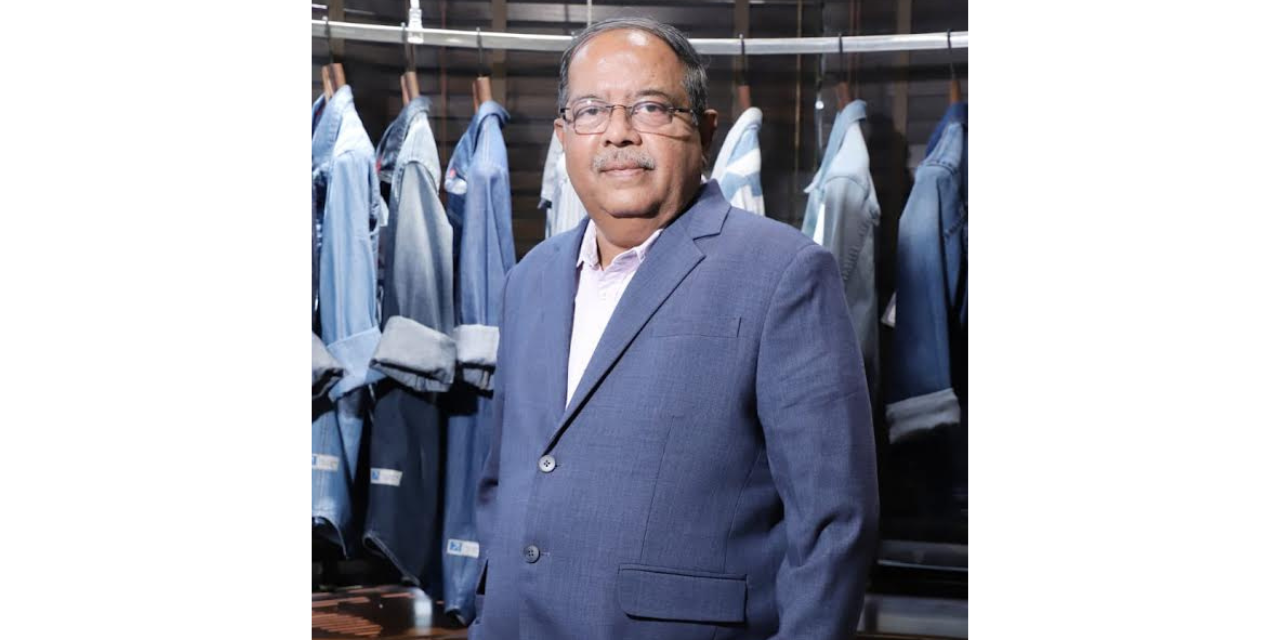
By Suketu Shah, CEO, Vishal Fabrics Limited
A transformational phase is underway in the global textile industry. Traditionally, fabrics were assessed based on cost and scale. Today, the evaluation framework is shifting toward how effectively textiles meet evolving consumer expectations. Modern consumers demand fabrics that deliver versatility, durability, and comfort simultaneously, rather than as standalone attributes. This shift is accelerating the adoption of blended fabrics across the industry.
Blended fabrics are created by combining two or more fibres, natural and/or synthetic, during the yarn formation stage. This engineering process allows manufacturers to develop textiles that integrate multiple functionalities into a single material. For instance, cotton contributes softness and comfort, while polyester enhances durability and resilience. The result is a fabric that offers superior strength, improved texture, and optimised performance, often at a lower cost compared to single-fibre alternatives. This adaptability positions blended fabrics as a critical component in the next phase of textile industry growth.
Denim: Leading the Blended Fabric Transformation
The denim segment is at the forefront of this transformation. Once defined as a rigid, utilitarian fabric made predominantly from 100% cotton for industrial use, denim has evolved into a high-performance textile category.
Today’s denim integrates multiple fibres to enhance functionality. Materials such as elastane and Tencel are increasingly incorporated to improve stretch, comfort, and sustainability. Recycled fibres are also becoming integral to denim manufacturing, aligning with circularity goals.
The shift from rigid to blended denim construction has been instrumental in this evolution. Elastane introduces elasticity, improving wearability for everyday use. Polyester and viscose blends enhance durability, drape, and colour retention, attributes essential in a fast-moving fashion landscape. Blended denim is no longer a niche innovation; it has become a mainstream requirement as consumers prioritise fit, performance, and long-term usability.
Balancing Performance with Sustainability
Sustainability is a major force driving the adoption of blended fabrics. While cotton remains a core fibre, its resource-intensive cultivation has prompted the industry to explore more responsible alternatives.
Advancements such as organic farming and regenerative agriculture are improving cotton production practices. Simultaneously, the integration of recycled fibres and the adoption of water-efficient manufacturing processes are reducing environmental impact without compromising fabric performance.
As both brands and consumers become increasingly conscious of sustainability, the industry must strike a balance between environmental responsibility and functional excellence. Blended fabrics provide a viable pathway to achieve this equilibrium.
Driving Efficiency and Innovation in Manufacturing
From a manufacturing perspective, blended fabrics offer significant operational advantages. They enable greater flexibility in production, faster turnaround times, and the ability to customise textiles for diverse applications, ranging from everyday apparel to high-performance segments.
For India, this presents a substantial opportunity. With a well-established textile ecosystem and a growing emphasis on value-added production, the country is strategically positioned to leverage the rising demand for blended fabrics. Denim, in particular, stands out as a category with strong potential for innovation, scalability, and export growth.
The Road Ahead
The rise of blended fabrics represents a structural shift rather than a temporary trend. As the demand for multifunctional, sustainable, and high-performance textiles continues to grow, blended materials will play an increasingly central role in shaping the industry.
Denim remains a key driver of this transformation, supported by ongoing innovation in fibre blends and fabric engineering. Moving forward, manufacturers must focus on developing textiles that not only address current consumer demands but also anticipate future requirements.
Blended fabrics, especially in denim, are redefining the perception of modern textiles and will continue to influence how the textile industry evolves in the years ahead.