In a world driven by speed and mass production, handcrafted textiles continue to communicate a quieter, more meaningful form of luxury. Velvet, Zardozi and hand embellishment are not decorative add-ons. Instead, they represent time, skill and deep respect for material. Together, they form a textile language that values patience over shortcuts and substance over spectacle.
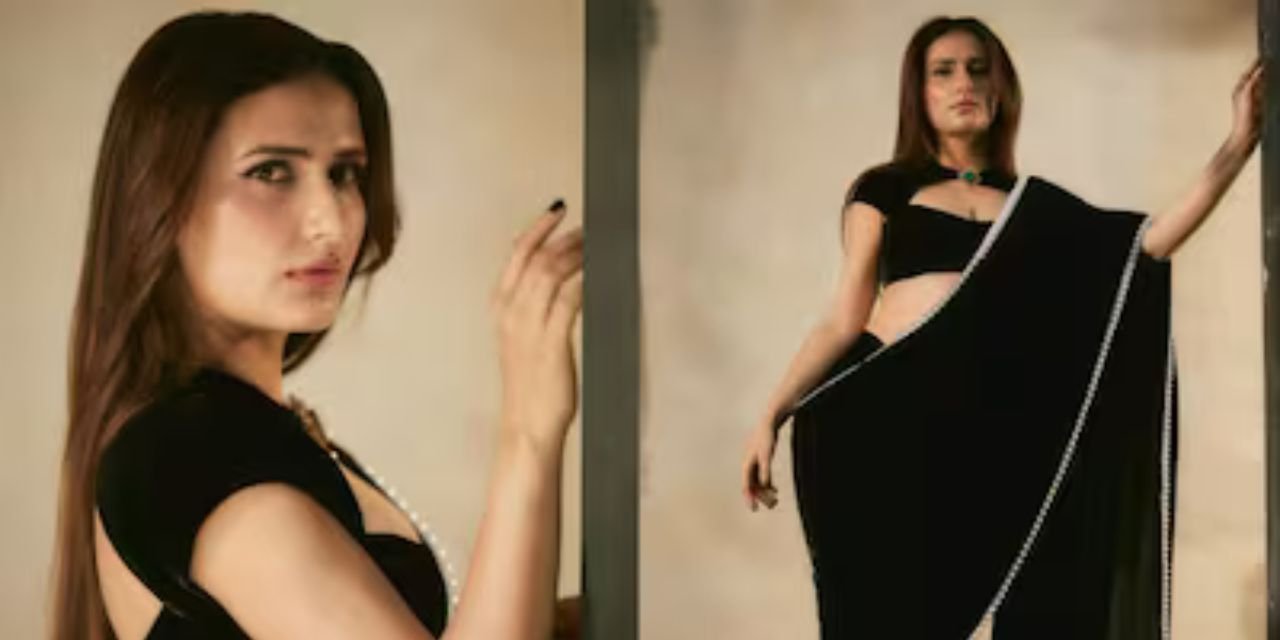
For Kailash Poojary, Founder and CEO of V V. Exports Universal Pvt. Ltd, this connection runs deep. He believes velvet carries a presence that extends beyond appearance. Rich yet restrained, the fabric reflects and absorbs light with movement, creating depth and warmth. According to Poojary, velvet responds naturally to the body and its surroundings, which gives it an understated elegance. Its luxury lies in how it feels as much as how it looks.
Zardozi, however, conveys a different kind of emotion. Rooted in history, the embroidery relies on control, precision and experience. Crafted with metallic threads, coiled wires and spangles, Zardozi demands focus and discipline. Poojary explains that its beauty comes from intention rather than excess. Each stitch serves a purpose, and artisans know exactly when to stop. The result is a soft, earned sheen that reveals itself slowly.
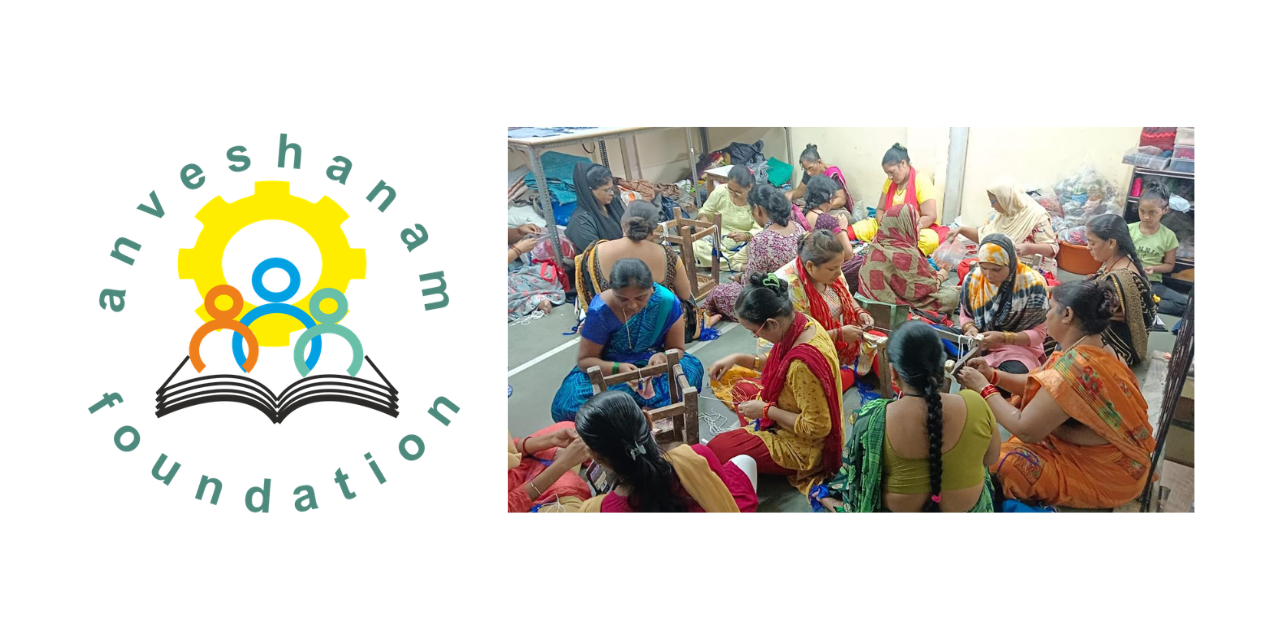
This philosophy resonates with Siddharth Bindra, Managing Director of BIBA, who describes Zardozi as a living craft shaped by devotion rather than efficiency. Originating in Central Asia and refined in India, the technique traditionally appears on rich bases such as silk, brocade and velvet. Artisans work by hand on fabric stretched over a wooden frame known as an adda. Using gold and silver wires, pearls and fine threads, they embroider for days or even months until the design is complete.
Bindra points out that Zardozi carries both physical and symbolic weight. Each stitch reflects hours of labour and years of mastery. While modern techniques offer cheaper alternatives, they fail to recreate the depth and grandeur of traditional Zardozi. As a result, the craft continues to survive in centres like Lucknow, Kolkata, Bareilly, Bhopal and Agra, supported by artisans and patrons who value process as much as outcome.
Hand embellishment brings this respect for craft into sharp focus. Poojary notes that handwork carries unmistakable signs of human touch. Slight variations, individual rhythms and subtle irregularities give the fabric life. The goal is not uniformity but authenticity. Machines may deliver precision, but they cannot replace the instinct that tells an artisan when a piece feels complete.
When velvet, Zardozi and hand embroidery come together, textiles move beyond surface appeal. Texture, weight and embellishment find balance, inviting viewers to pause and recognise the labour behind the beauty. For both Poojary and Bindra, this acknowledgement defines true value.
These materials are not meant for haste or replacement. They are designed to endure, evolve and age with grace. By honouring craft and process, leaders like Kailash Poojary and Siddharth Bindra reaffirm that in a fast-moving world, handcraft remains relevant because it is honest.