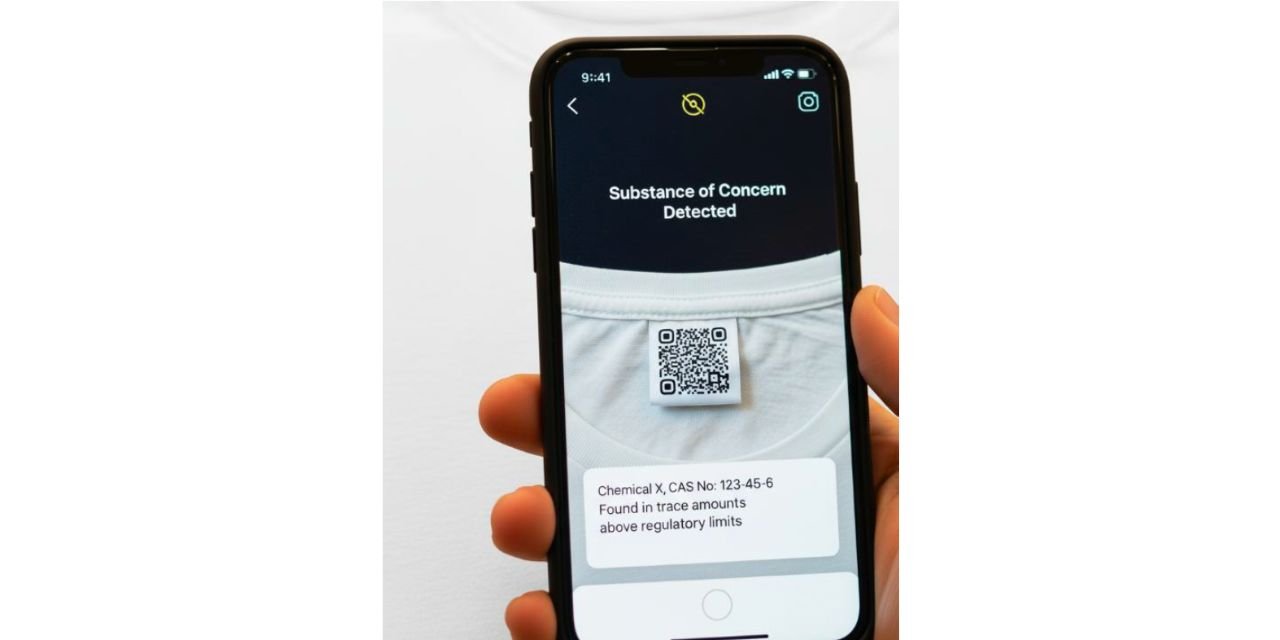
European Union regulations are rapidly reshaping chemical transparency across the global textile and apparel industry. Frameworks such as the Ecodesign for Sustainable Products Regulation (ESPR) and the Corporate Sustainability Reporting Directive (CSRD) now demand precise identification, tracking, and disclosure of Substances of Concern (SoCs).
In response, bluesign supports industry partners through verified chemical input management, trusted primary data, and digital tools that simplify compliance while strengthening sustainability performance.
This briefing explains how SoCs are defined, why they now matter more than ever, and how bluesign enables safer chemistry across global value chains.
What Qualifies as a Substance of Concern Under ESPR
ESPR Article 2(27) defines a Substance of Concern using four specific criteria.
The first category includes Substances of Very High Concern listed by ECHA. These substances include carcinogenic, mutagenic, and reprotoxic chemicals, as well as PBT, vPvB, and endocrine disruptors regulated under REACH.
Another group covers substances classified as hazardous under the EU CLP Regulation. These classifications include organ toxicity, endocrine disruption, and aquatic toxicity.
Chemicals restricted under the Persistent Organic Pollutants Regulation also fall under the SoC definition. In addition, substances that prevent reuse, recycling, or safe material recovery at end of life qualify as circularity-based SoCs.
At present, more than 3,900 chemicals meet the ESPR definition. This figure will increase as new hazard classes come into force from 2026.
Why SoCs Sit at the Core of EU Sustainability Policy
EU legislation is moving chemical management from voluntary practice to mandatory, auditable disclosure. Two regulations drive this shift.
Under ESPR, products must meet defined sustainability criteria, including mandatory SoC disclosure. The regulation also introduces Digital Product Passports, which will carry verified chemical and circularity data across the value chain. Textile-specific requirements are expected by mid-2027.
CSRD expands the scope to corporate reporting. Chemical manufacturers and formulators must report total SoC and SVHC volumes generated, used, or released into air, water, or soil. Companies must group this data by hazard class.
Chemical users must disclose SVHC quantities used and released during production. Article manufacturers, importers, and brands must report SVHC content in procured and sold articles exceeding the 0.1 percent threshold.
Together, these requirements place SoCs at the center of EU sustainability reporting and set a benchmark for global regulation.
EU Omnibus Packages Streamline Compliance
To reduce complexity, the EU has introduced a series of Omnibus packages that align sustainability and chemical legislation.
Omnibus I, released in February 2025, simplifies ESRS reporting requirements. Omnibus IV, introduced in May 2025, delays SME reporting obligations until 2029. Omnibus VI, announced in July 2025, reduces overlapping chemical reporting for manufacturers and chemical producers.
Further updates are expected between 2026 and 2028, shaping how SoC obligations evolve across sectors.
How bluesign Enables Proactive SoC Management
bluesign delivers a science-based compliance system built on verified primary data. This approach allows companies to manage SoCs proactively rather than relying on assumptions.
Every bluesign® APPROVED chemical undergoes independent assessment. The process covers full composition disclosure, toxicological evaluation, regulatory classification under REACH, CLP, and POPs, and analysis of environmental fate and emissions efficiency.
Chemical suppliers submit data directly through the bluesign Tool, ensuring transparency and eliminating dependence on unverified safety data sheets.
Digital Tools Designed for Reporting and Traceability
To support regulatory reporting, bluesign provides dedicated digital solutions.
The Substance Navigator, also known as bluesign Finder, identifies and classifies SoCs within verified chemical formulations. The Chemical Inventory List consolidates site-level chemical usage and supports both facility reporting and brand oversight.
The Impact Dashboard integrates SoC data into environmental impact metrics, including air emissions, wastewater discharge, and product-integrated substances.
Shared Responsibility Across the Supply Chain
Effective SoC management requires coordinated action across the value chain.
Chemical suppliers ensure full composition transparency and maintain robust product stewardship systems. Manufacturers and mills track chemical usage accurately and apply SoC mass-balance principles at material and article level.
Brands and retailers aggregate supplier data, report under CSRD, and integrate SoC information into Digital Product Passports. They also define clean-input and circularity standards at the design stage.
This aligned approach enables traceability, regulatory compliance, and long-term risk reduction.
Expert Insights from bluesign Academy
Dr Daniel Waterkamp, Head of bluesign Academy, explains that chemical management must begin with the input stream. He notes that verified primary data transforms compliance from a reactive obligation into a preventive design strategy.
Truc Nguyen of the bluesign Academy team adds that proactive SoC management reflects a company’s true understanding of its chemistry. When addressed early, it strengthens worker safety, product quality, and circularity outcomes.