Hita Anoop Manjunath and Rhea Sosale
Highlight
India is facing a mounting textile waste crisis, with over 7.8 million tons generated annually—driven by fast fashion, rising consumption, and poor recycling infrastructure. Most of this waste ends up in landfills, incinerators, or the environment, with less than half repaired, reused, or properly recycled. ReFabPackaging, a youth-led initiative, addresses this urgent problem by transforming discarded textiles into reusable, food-safe packaging and building a digital platform for sustainable choices, offering practical, circular solutions to one of India’s most pressing environmental challenges.
Rethinking Waste: How ReFabPackaging Turns Discarded Textiles into Sustainable Packaging
Turning Textile Waste into Change: How ReFabPackaging Is Rethinking Sustainability
We are living in a trend-obsessed world, and it seems like new clothes drop every other week. It is way too easy to keep updating our closets without ever stopping to wonder: where do those old outfits go? Honestly, the answer is unsettling: most get thrown out or burned, clogging up landfills and the air we breathe. The fashion and textile industry globally produces millions of tons of waste yearly. A good deal of this comes from synthetic fabrics that resist breaking down for centuries. Polyester, nylon, and the like can outlast us all, polluting the earth with microplastics at every turn.
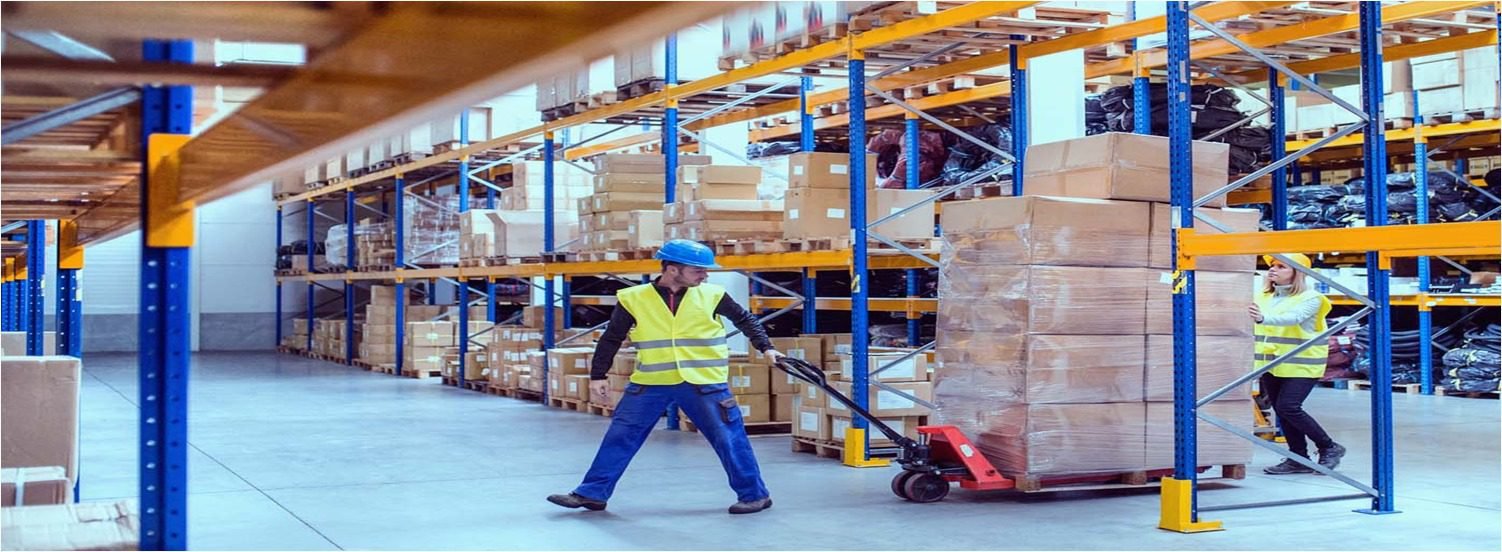
India has a front-row seat in all this. As one of the planet’s biggest textile producers, India churns out mind-boggling quantities of fabric-but also racks up more than a million tons of textile waste annually. Cities like Tiruppur, Surat, and Panipat are famous for their fabrics but are also drowning in leftover scraps, rejected batches, and mountains of post-production waste. Unfortunately, only a small amount actually gets recycled or remade into something new. Waste workers do their best to save usable material, but the system wasn’t built for numbers this big. So, the rest just stacks up, creating eyesores and health risks for nearby communities.
The Need for Urgent Action
Why does this matter so much right now? Textile waste goes way beyond messy dumps-it’s a ticking time bomb against our environment and health. When synthetic fabrics finally start decaying, they release minuscule fibers that fall into our waterways and even our food. Dye factories make things worse by leaking harsh chemicals into rivers, messing up ecosystems, and threatening whole villages. The big fear is this will only get worse: studies predict the world’s clothes demand will increase by nearly 60 percent in 2030, but recycling and waste management are nowhere near keeping pace. India’s rapid growth and new love for shopping culture make things even harder.
The more we delay addressing the problem, the costlier and more challenging it will be to solve. Outdated approaches, such as waste dumping and burning, continue to inflict harm, yet are precariously too easy to continue. The actual solution is to break free of the “take, make, discard” approach and to begin valuing everything we utilize. That’s the big inspiration behind our project NOMAD, a ReFabPackaging solution.
NOMAD: From Textile Trash to Everyday Treasure
Digging into the problem of textile waste made my team and me want to do more than raise our voice. We wanted actually to cut down the pile. One thing we noticed: a ton of the plastic waste that we toss every day comes from packaging. Most people open an online order, rip off the packaging, and toss it straight into the trash. Bubble wrap and thermocol pads meant to protect, turn into pollution in minutes. We thought: why not flip the script and use waste to protect what matters?
That’s where NOMAD was born. We give discarded textiles a second life by transforming them into reusable, padded packaging bags and wraps. Our wraps are made of old cotton, treated with a special blend of beeswax, resin, and jojoba oil to be moldable, water-resistant, antibacterial, and even food-safe. These wraps don’t compete with plastic; they outshine it by being reusable and way less pernicious to the planet. For cushioning, we use natural fillers and avoid the need to use thermocol-easily one of the worst offenders in any recycling nightmare.
Going Beyond the Wrap: The Digital Side
But NOMAD is more than just a product: we are building a digital space where customers can design their packaging, learn about its journey, and quite literally trace each wrapper’s journey from waste to something useful. By adding transparency and storytelling to the process, we make sustainability personal-not just a buzzword. People actually get to interact with this idea of circular living and realize their choices count.
A Small Change with Big Potential Textile waste is a huge problem; however, it presents an enormous opportunity to innovate. Projects like NOMAD prove that creativity and conscious choices can turn what was once rubbish into something valuable. Each time someone chooses our product over a single-use plastic one, it is a step toward a cleaner future. If more people and brands join in, small changes will add up to a real movement. The world’s trash problem won’t go away overnight-but it really can begin with just one smart switch.