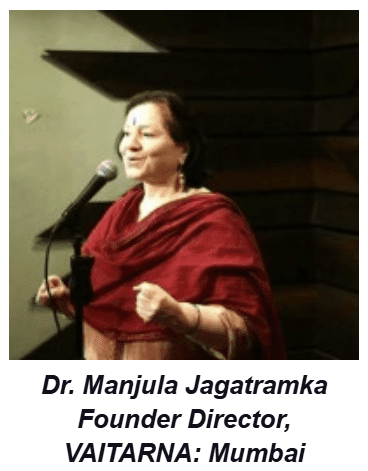
The journey toward economic empowerment and sustainable development in rural India has found a powerful ally in the revival and promotion of traditional handicrafts. Dr Manjula Jagatramka, whose expertise spans home science, textiles, women’s rights, entrepreneurship development, and CSR, has dedicated decades to transforming the lives of rural artisans through her organisation, Vaitarna. Her work exemplifies how traditional crafts can become vehicles for income generation, skill development, and community transformation.
A New Development Paradigm
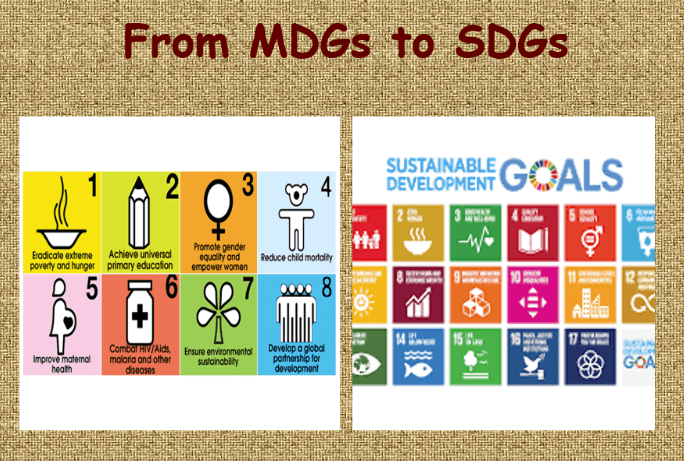
The global development landscape has undergone a fundamental shift from the Millennium Development Goals to the Sustainable Development Goals. Unlike the MDGs, which focused narrowly on poverty reduction, the SDGs embrace a holistic vision that recognises the environment, economy, and society as interconnected systems rather than competing priorities. This integrated approach addresses critical themes such as urban development, water and sanitation, energy access, and climate change—all of which are central to sustainable craft-based livelihoods.
In this context, three questions emerge as particularly relevant: How to be happy? How can some countries develop so fast? And how to get an economy that is productive and flexible? The Vaitarna model offers insights into all three questions through its grassroots approach to economic empowerment.
The Gandhian Vision Reimagined
At the heart of Vaitarna’s philosophy lies Gandhiji’s timeless belief in the charkha as a symbol of wealth creation and self-sufficiency. Gandhi understood that when every individual becomes an economically self-sufficient wealth creator, entire communities and nations prosper across generations. In today’s context of post-pandemic economic disruption, globalisation, environmental degradation, and climate change, this vision takes on renewed urgency.
The textile and clothing profession stands uniquely positioned to facilitate this transformation. By providing opportunities for skill development and income-generating activities, the sector can empower individuals while preserving cultural heritage and promoting sustainable practices.
From Mumbai Slums to Global Markets: A Journey
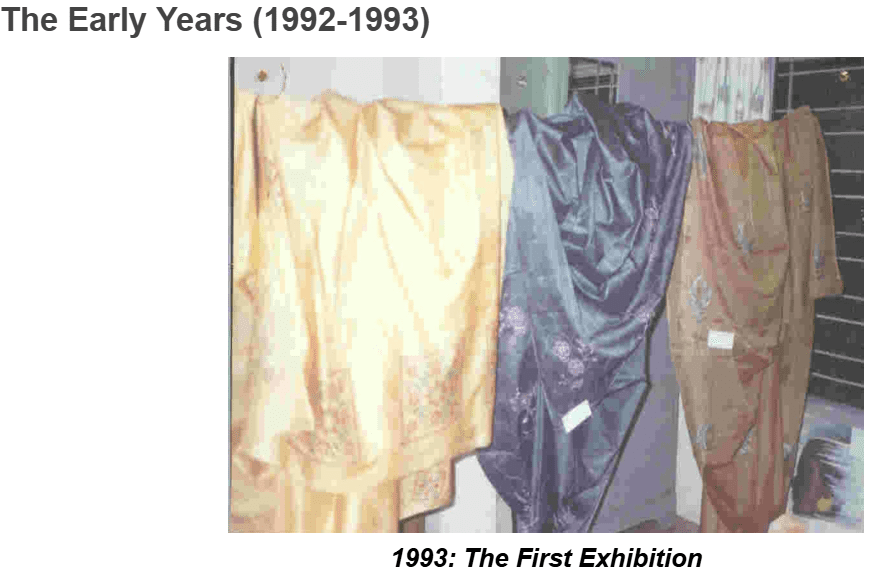
Vaitarna’s story began in 1992 when Dr Jagatramka started working with PRIDE, imparting tailoring and embroidery training to women in Mumbai’s slums. What started as a modest initiative quickly demonstrated the transformative power of skill-based empowerment. By 1993, the first exhibition showcased the participants’ work, drawing media attention, including coverage from the Indian Express.
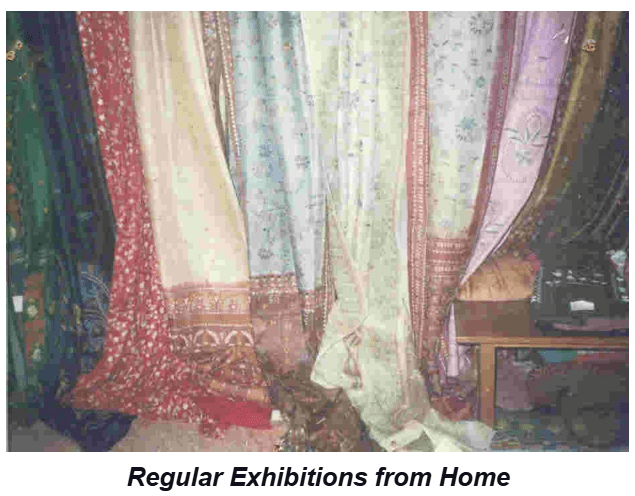
These early exhibitions, often conducted from home, proved that there was both demand and appreciation for handcrafted products made by skilled artisans from marginalised communities. The success of these initial ventures laid the groundwork for a more structured and ambitious approach.
Expanding Horizons
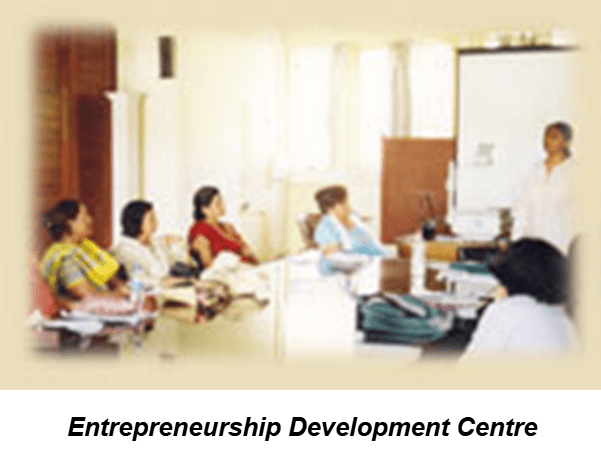
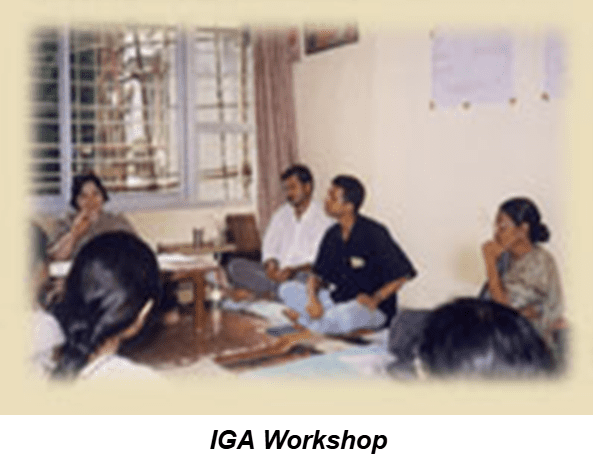
As the initiative grew, it evolved beyond basic skill training to encompass comprehensive entrepreneurship development. Income Generation Activity (IGA) workshops helped artisans understand not just production techniques but also business fundamentals—pricing, marketing, customer relations, and quality control.
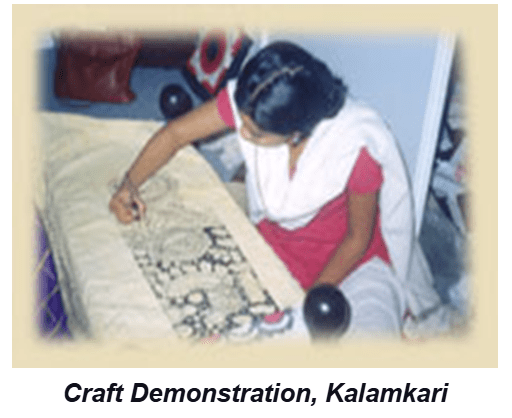
Craft demonstrations became a crucial component of the program, allowing artisans to showcase traditional techniques like Kalamkari while educating consumers about the skill and effort involved in handcrafted products. This two-way education fostered both producer confidence and consumer appreciation.
Building a National Network
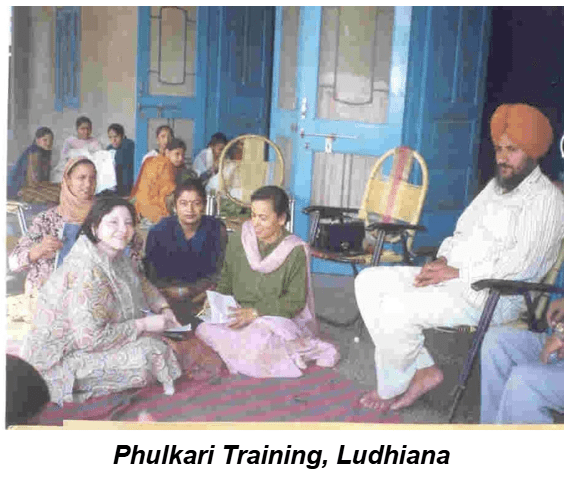
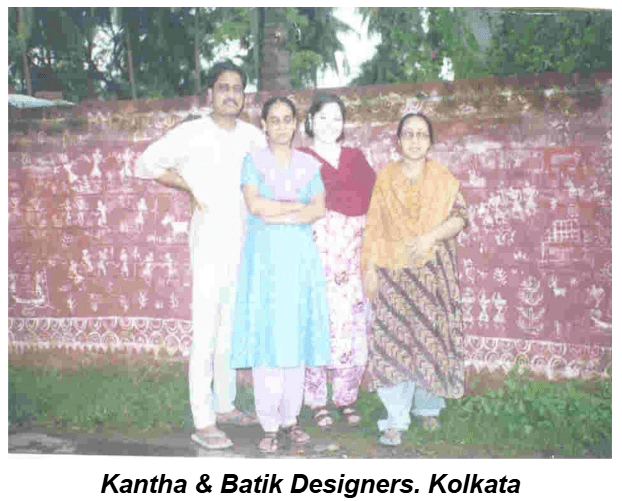
Recognising that India’s craft traditions are regionally diverse, Vaitarna expanded its reach across the country. Training programs in Phulkari in Ludhiana and Kantha and Batik in Kolkata helped preserve region-specific techniques while creating a network of skilled artisans. This approach honoured local traditions while building connections that would later facilitate knowledge sharing and market access.
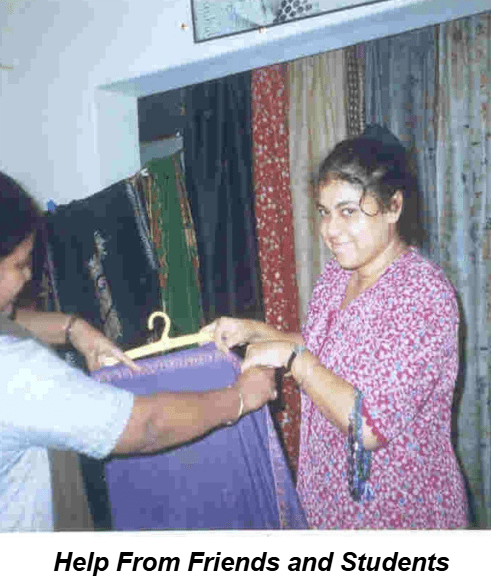
The involvement of friends and students created a support ecosystem that extended beyond formal training. As one poignant observation notes, there are artisans who have “never walked beyond her village, but her fingers have touched the world”—a testament to how craft-based enterprises can connect rural producers to global markets without displacing them from their communities.
International Recognition
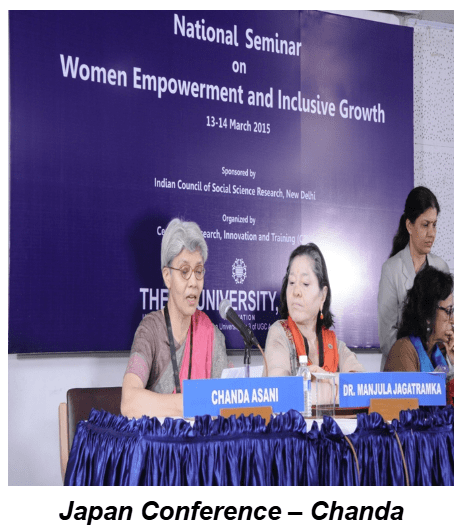
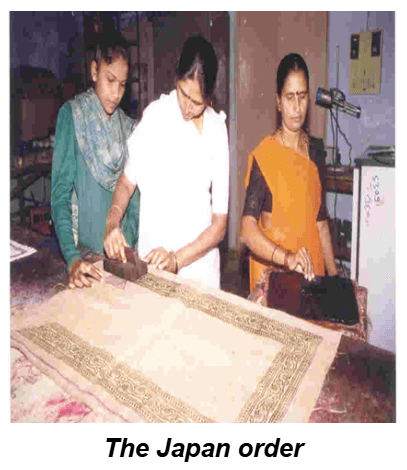
The quality and authenticity of Vaitarna’s artisan network eventually attracted international attention. Participation in conferences and exhibitions in Japan not only brought recognition but also significant orders, demonstrating that traditional Indian crafts have a strong appeal in global markets when properly promoted and presented.
These international connections reinforced the women empowerment dimension of Vaitarna’s work, showing participants that their skills had value far beyond their immediate communities.
The Formalisation: Vaitarna 2000
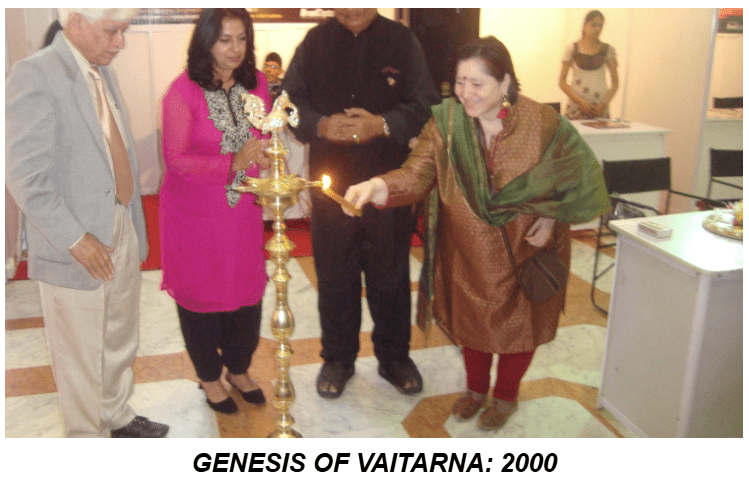
By the year 2000, these accumulated experiences and growing network coalesced into the formal establishment of Vaitarna as a comprehensive organisation. The mission was clearly articulated: “Helping people improve their lives by producing and distributing products and services in culturally sensitive and economically sustainable ways.”
This mission statement reflects several core principles that guide Vaitarna’s operations. Cultural sensitivity ensures that craft traditions are respected and preserved rather than commercialised beyond recognition. Economic sustainability means building business models that can support artisans over the long term, not just through one-time interventions.
Core Values and Approach
Vaitarna’s work addresses several interconnected issues that are critical to sustainable craft-based development:
- Craft Promotion
- Gender Sensitisation
- Democratic Approach
- Valuing the Craftsperson
- Uniqueness of Handcrafted Products
- Sustainability of Traditional Crafts
- Business Understanding for Income Generation
A Two-Way Partnership
Vaitarna operates on the principle that sustainable development requires engagement with both producers and customers. On the customer side, the organisation facilitates direct interaction with producers, shares knowledge about production processes and the intricacies involved, offers reasonably priced ethnic products, and provides exposure to the actual working conditions of artisans. This transparency builds appreciation and willingness to pay fair prices.
For producers, Vaitarna provides technical inputs to improve quality and efficiency, promotes self-sustainability rather than dependency, creates market exposures that help artisans understand consumer preferences, offers business counselling on pricing and operations, facilitates direct interaction with customers, and organises training workshops in various specialised skills.
This bidirectional approach creates a value chain where both ends understand and appreciate each other, leading to more stable and equitable relationships.
Vision for the Future
Vaitarna aims to function as a comprehensive marketing, trading, and information dissemination organisation. Beyond simply buying and selling products, the organisation creates awareness and appreciation for traditional crafts through much-needed training and education initiatives.
The target beneficiaries are carefully defined: producers who either already possess skills or demonstrate the potential to develop them. By bringing these artisans into mainstream markets with appropriate support, Vaitarna bridges the gap between rural production and urban consumption, between traditional techniques and contemporary aesthetics, and between cultural preservation and economic opportunity.
Through regular events, exhibitions, workshops, and networking opportunities, Vaitarna continues to expand its impact, touching more lives and preserving more craft traditions while proving that economic development and cultural preservation can advance hand in hand.
Conclusion
The Vaitarna model demonstrates that traditional handicrafts are not relics of the past but viable foundations for sustainable economic development. By combining respect for cultural heritage with modern business practices, comprehensive training with market linkages, and individual empowerment with community development, organisations like Vaitarna show a path forward that honours Gandhi’s vision while addressing twenty-first-century challenges.
As India and the world grapple with questions of sustainable development, climate change, and inclusive growth, the lessons from Vaitarna’s journey offer valuable insights. True development comes not from displacing traditional practices but from empowering practitioners, not from imposing external solutions but from building on existing strengths, and not from creating dependency but from fostering self-sufficiency.
The woman who has never walked beyond her village but whose fingers have touched the world represents millions of potential wealth creators waiting for opportunity, training, and fair access to markets. Vaitarna’s work shows that providing these elements can transform individual lives, preserve cultural treasures, and contribute to a more equitable and sustainable economy.