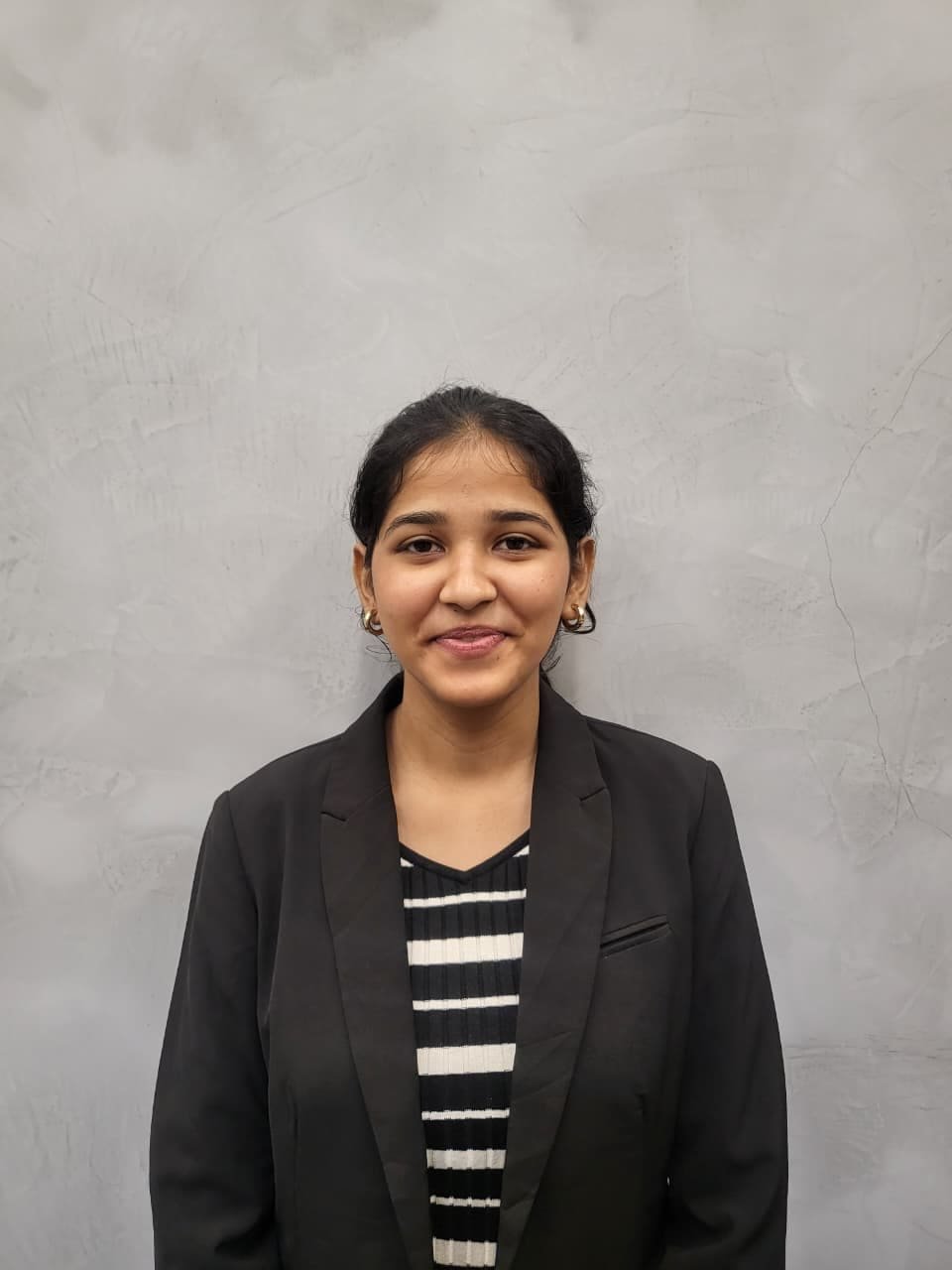
Hardika Pravin Raka,
Textile Design Scholar,
National Institute of Fashion Technology,
Ministry of Textiles, Govt of India
The Paithani saree, Western Ghats’ beloved handloom gem, is way more than some mere fabric art; it represents not just a craft but a vibrant legacy of history, symbolism, and skilled craftsmanship. From my own experiences on the ground, conversations with the artisans themselves, and a good look at trends today, I saw how this stunning tradition is energetically evolving – aesthetically, economically, and socially. As it meets the forces of our present world. What comes through is a rich story of continuity and change, a story where heritage is not so much hanging on but is evolving beautifully, to the future.
For generations, Paithani saree was a rich blend of silks & gold Zari that shines like sunshine, and those beautiful, indelible patterns. Although it once flourished in Paithan, it has found a new home in Yeola, where skilled weavers have preserved the art. Now, this tradition appears to stand at a fork in the road. With international tastes, frenetic online marketplaces, and ever-shifting social values now entering the world of the loom, Yeola weavers are not only holding on to the past but they are re-inventing it, thread by precious thread.
What makes a Paithani special is not the luxurious silk nor the characteristic sheen. It is in the very process of its making. The resulting beauty is a reversible textile work of art, front and back mirror images of each other. Traditionally, these sarees were on a very limited palette of deep reds, rich greens, and royal purples, all accented, of course, with pure Zari.
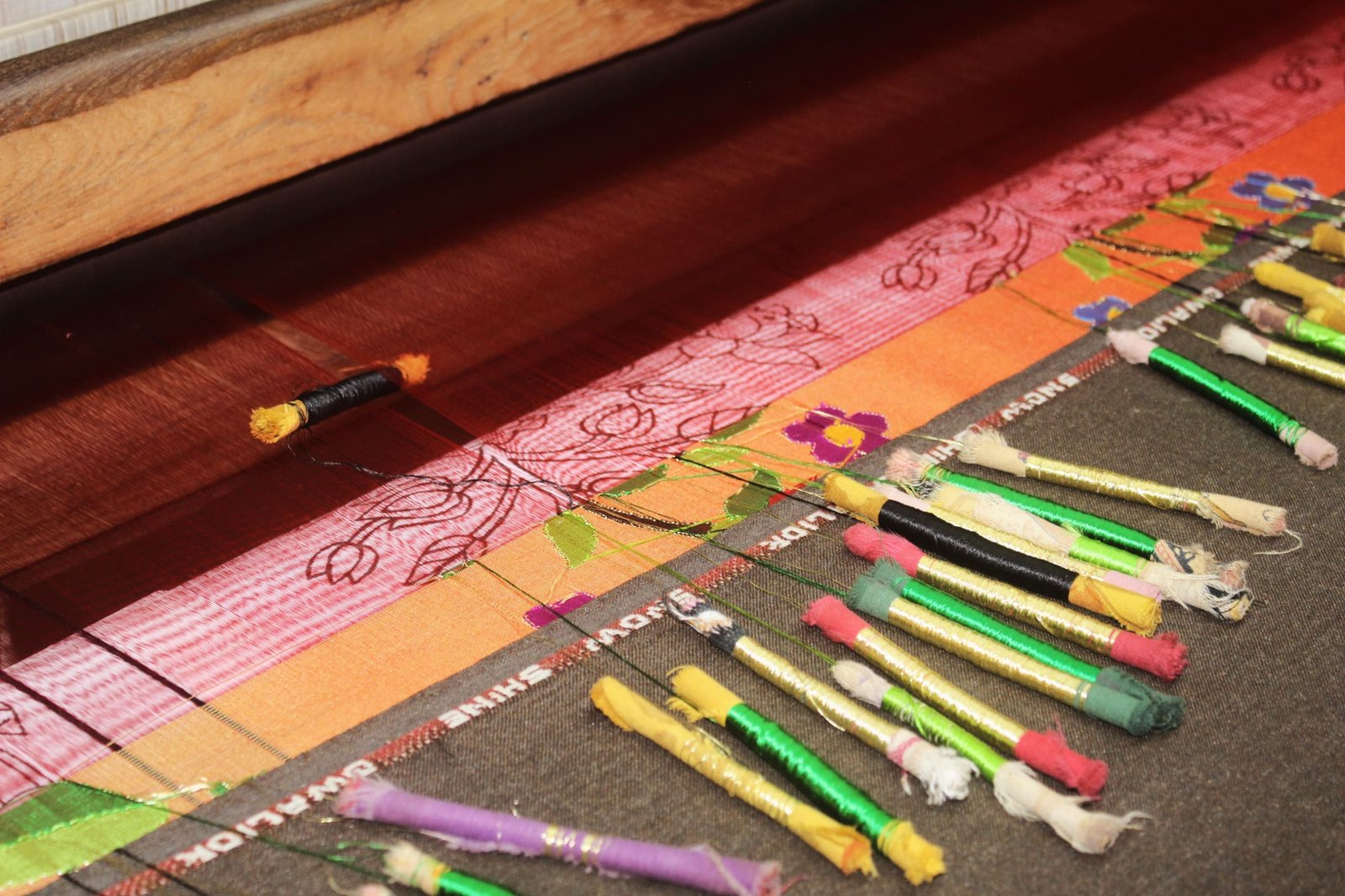
Today, a visit to Yeola reveals a new chapter in the town’s textile heritage, where tradition meets innovation. Younger weavers are experimenting with soft pastel colours, abstract patterns, and narrative embroidery, pushing the boundaries of traditional designs. The classic flora and fauna motifs have given way to more diverse and contemporary themes, reflecting a fresh perspective in the art of weaving.
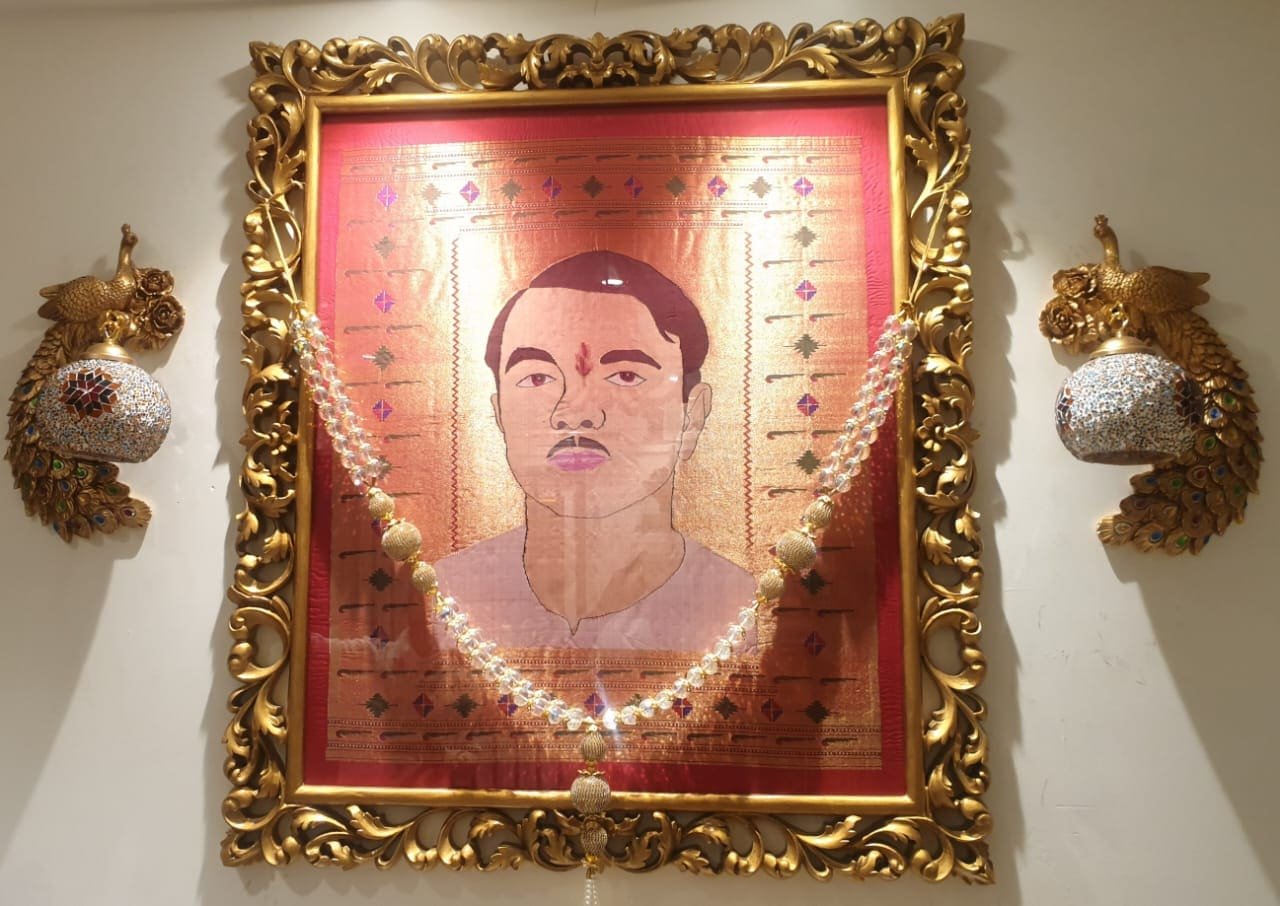
The Paithani saree has evolved into a vibrant canvas, embracing a diverse range of motifs that tell stories of culture, emotion, and individuality. Festival themes, romantic wedding scenes, and geometric patterns have become part of its visual vocabulary, allowing artisans to express their creativity in new and innovative ways. This transformation was beautifully exemplified in a Paithani-woven portrait of a relative’s late grandfather, which deeply moved a designer who witnessed it in Yeola. The intricate craftsmanship and emotional significance of the piece were truly captivating, showcasing the essence of the person’s memory in a tunning work of art.
It is amazing how technology has become a silent revolution in Yeola. Artisans are now confidently showcasing their beautiful work on Instagram, WhatsApp, and more online channels. That means they are taking custom orders straight from hungry brides, savvy stylists, and even passionate foreign collectors. Where middlemen once wielded all the power, these direct sales are providing a new economic freedom. You might even remember a business called Very Much Indian, which sells Pathanis, making an appearance on Shark Tank India, which shows you how far this craft has come! Girls wearing paithani were spotted dancing to the tune “Gulabi Saree,” which went viral on Instagram, which also led to an increase in sales.
The new generation of educated weavers is coming to Yeola with pride. Practical design degrees, skills in digital tools, and a motivating spirit of entrepreneurship are what they bring. They are applying CAD software for accurate pattern making, testing natural dyes, and actively developing eco-friendly methods of weaving. Design colleges, NGOs, government schemes, and subsidies such as free handlooms, Utsav Bhatta, and free electricity, etc, support and motivate weavers and their families to continue the craft.
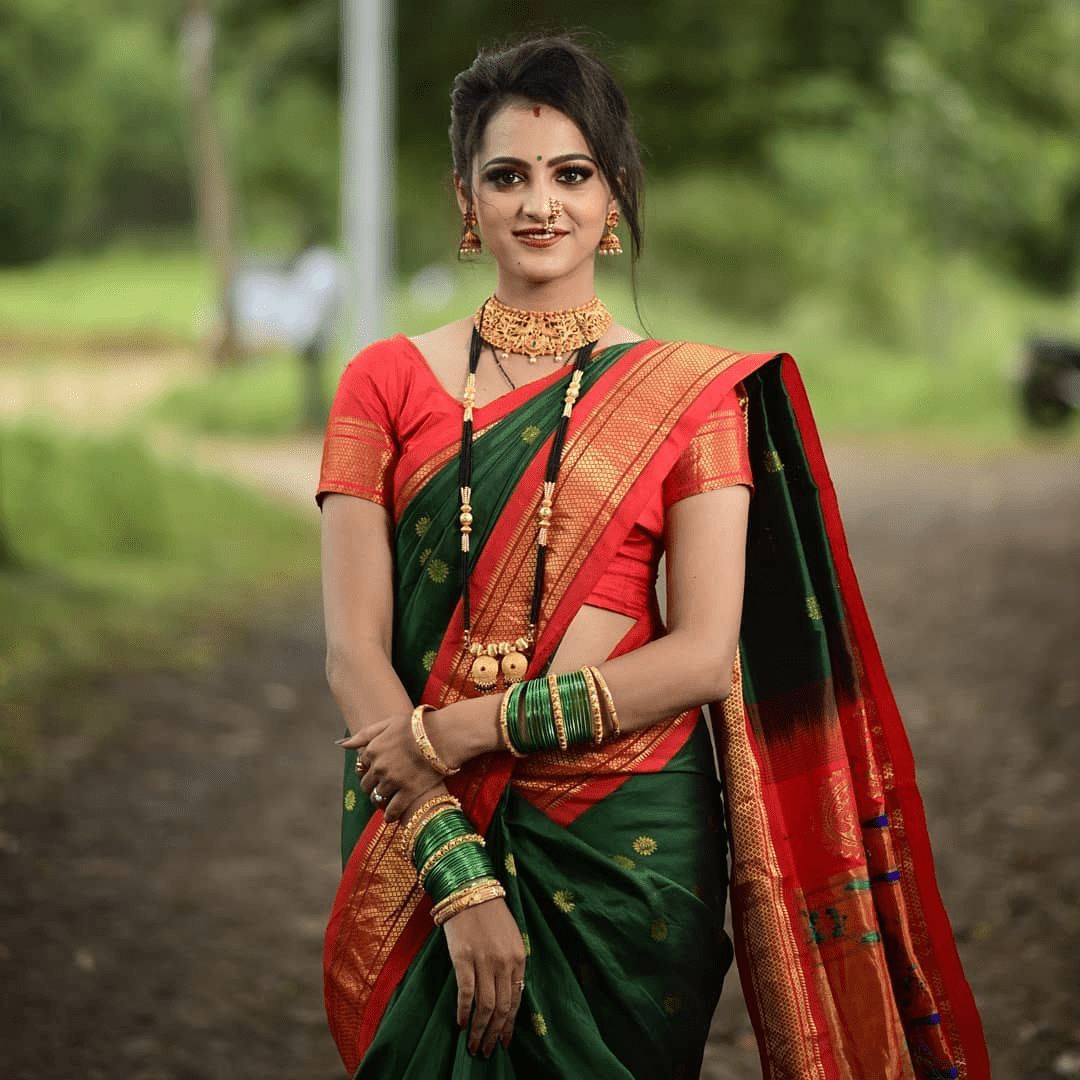
Paithani is more than a saree. It is a living history inscribed with silk and zari, a treasured memory tenderly passed down through the generations. In Yeola, past and present blend together in perfect harmony on the loom. And here, tradition is not straining against change; it’s flowing graciously, beautifully, alongside it. To conserve Paithani is not to conserve it in amber, rigid and motionless; it is to let it live, to let it grow, and, above all, to let it continue to inspire. With new colours being woven into the warp and new hands holding the shuttle, this great legacy goes on alive, intensely relevant, and powerfully alive.
The author extends heartfelt gratitude to the weavers and their families for warmly welcoming them into their homes and workplaces, generously sharing their expertise, knowledge, and personal stories. Special appreciation is also expressed to the Parakh and Soni families for their kindness, warmth, guidance, and unwavering support, which greatly enriched the author’s experience and understanding of the craft.