The fashion industry is undergoing a material revolution, and nonwoven fabrics are emerging as a powerful force reshaping everything from sustainable fashion to disposable clothing. Originally used in industrial and medical settings, nonwoven materials are gaining traction in both high-end and fast fashion due to their lightweight, breathable, cost-effective, and versatile properties.
What Are Nonwoven Fabrics?
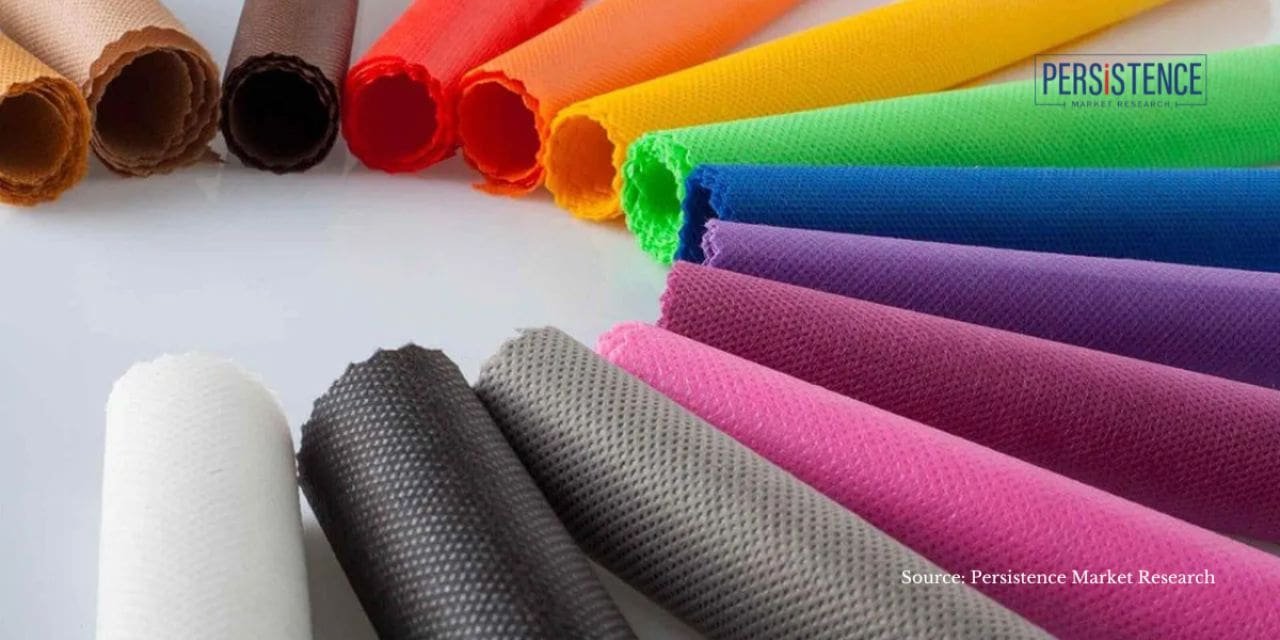
Unlike woven or knitted fabrics, nonwovens are engineered by bonding fibers through chemical, mechanical, or thermal processes. These fabrics can be produced rapidly—often from recycled or biodegradable fibers like cotton, bamboo, polyester, or polypropylene—making them an eco-friendlier and scalable alternative.
Fashion Embraces Nonwovens
Initially favored by avant-garde designers for their structural possibilities, nonwoven fabrics are now being embraced by brands focused on sustainability and affordability. Their ability to be molded, pleated, and sculpted allows for innovative fashion design, while their low resource consumption aligns with industry-wide environmental goals.
Disposable Apparel: Expanding Horizons
From healthcare uniforms to retail fitting room covers, disposable clothing is gaining widespread acceptance. Travel-friendly garments, spa attire, and promotional wear are examples of how nonwovens enable single-use functionality without sacrificing convenience. These garments reduce laundering needs and appeal to modern, on-the-go lifestyles.
Market Outlook
According to Persistence Market Research, the global nonwoven fabric market is projected to grow from US$ 55.6 billion in 2025 to US$ 80.8 billion by 2032, at a 5.5% CAGR. Growth drivers include healthcare demand, hygiene awareness, and fashion’s turn toward sustainable and disposable materials.
Key Fashion Applications
-
Protective Apparel: Used in sectors like construction and healthcare for lightweight, breathable coveralls and gowns.
-
Eco-Fashion: Biodegradable nonwovens are used in green collections that aim to reduce textile waste.
-
Event Wear: Affordable, customizable nonwoven garments are ideal for promotional use and one-time events.
-
Runway Innovation: Designers use nonwovens to explore bold, sculptural fashion statements in couture.
Environmental Concerns & Innovation
While nonwovens can be eco-friendly, synthetic versions (like polypropylene) raise concerns over microplastic pollution. To mitigate this, the industry is developing biodegradable, water-soluble, and recyclable alternatives. At the same time, smart nonwovens and hybrid materials are expanding potential uses across fashion and healthcare.
Balancing Challenges and Opportunity
Though often perceived as “cheap,” nonwoven materials are breaking stereotypes as designers innovate with blends and finishes to enhance aesthetics, comfort, and durability. As fashion becomes more transparent and values-driven, nonwovens are poised to become a preferred solution for future-forward, conscious design.
Conclusion
From runways to retail, nonwoven fabrics are driving a paradigm shift in how clothing is conceived and consumed. Their promise of affordability, efficiency, and sustainability places them at the heart of fashion’s next chapter—a chapter where fashion is no longer just woven but thoughtfully engineered for a changing world.