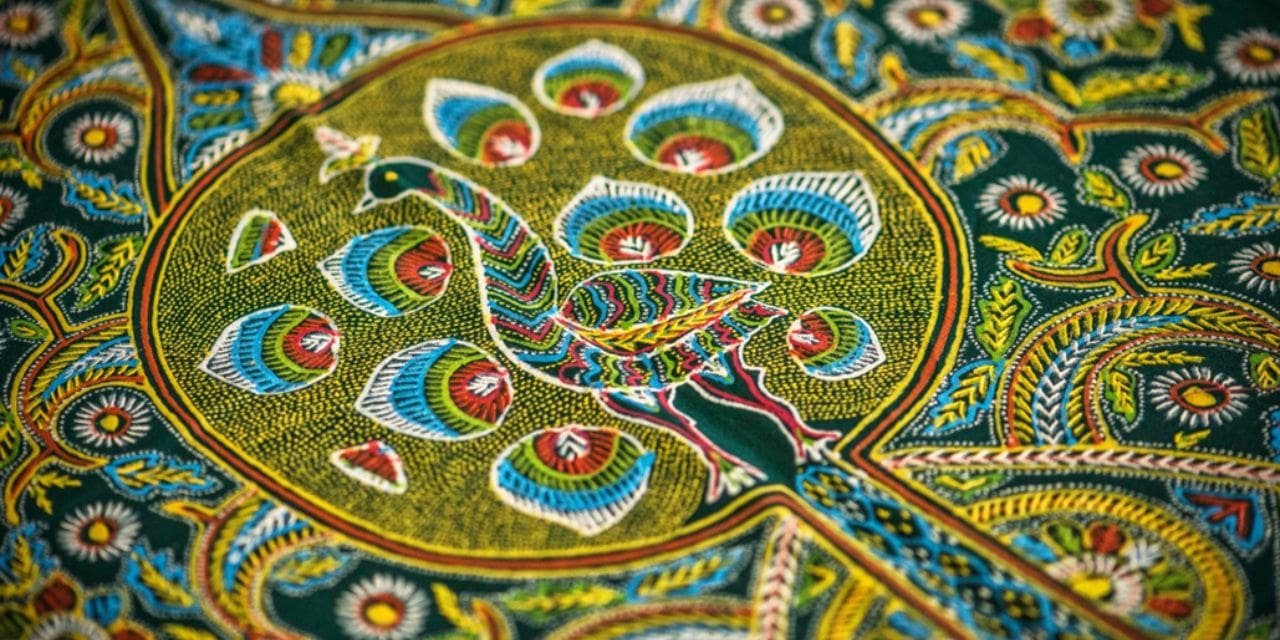
Rogan art is a centuries-old textile art form that originated in Persia and was later introduced to India. It is characterized by its use of a special type of paint made from castor oil and natural pigments. Rogan paintings are known for their vibrant colours and intricate designs, and they are often used to decorate clothing, household items, and religious artifacts.
In recent years, however, Rogan art has been on the verge of extinction. The traditional knowledge of how to make Rogan paint has been lost in many parts of the world, and the few remaining practitioners of the art are aging and their skills are not being passed on to younger generations.
There are a number of factors that have contributed to the decline of Rogan art. One factor is the rise of synthetic dyes, which have made it easier and cheaper to produce brightly coloured textiles. Another factor is the changing cultural landscape, as fewer people are interested in traditional forms of art and decoration.
However, there are also a number of people who are working to preserve Rogan art. In India, the Khatri family of Nirona village in Kutch district is the only family that still practices Rogan art. They have been awarded the Padma Shri, India’s fourth highest civilian award, for their efforts to preserve the art form.
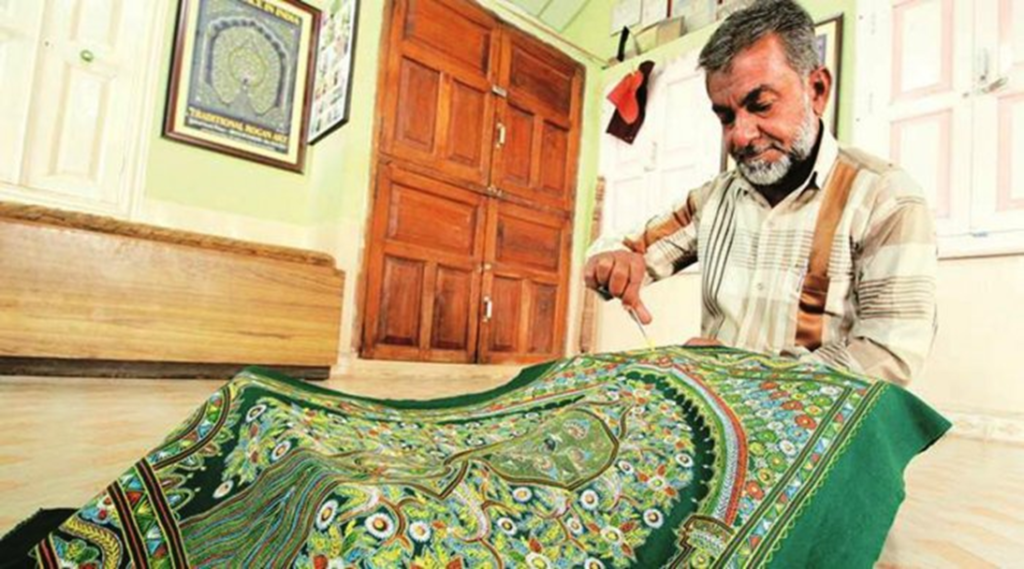
The Khatri family has been practicing Rogan art for over 800 years, and they are determined to keep this art form alive. They are also working to revive interest in Rogan art by hosting workshops and exhibitions. They have also developed a new technique for making Rogan paint that is easier to learn and use.
Rogan art has been practiced in the Kutch region for centuries. However, in recent years, the art form has been in danger of extinction. There are a number of reasons for this, including the decline of the traditional textile industry in the region, the lack of interest from younger generations, and the difficulty of learning the art form.
Rogan art is a valuable cultural heritage that is worth preserving. It is a unique and beautiful art form that has a long and rich history. By working to preserve Rogan art, we can ensure that this tradition will continue to thrive for many years to come.
The Impact of Rogan Art
Rogan art has had a significant impact on the cultures of the regions where it is practiced. In India, for example, Rogan paintings are often used to decorate wedding clothing and other ceremonial items. This helps to promote a sense of community and tradition, and it also provides a way for people to express their cultural identity.
Rogan art is also important economically. In Nirona village, for example, the Khatri family’s Rogan paintings are a major source of income. This helps to support the local economy and provides a livelihood for many people.
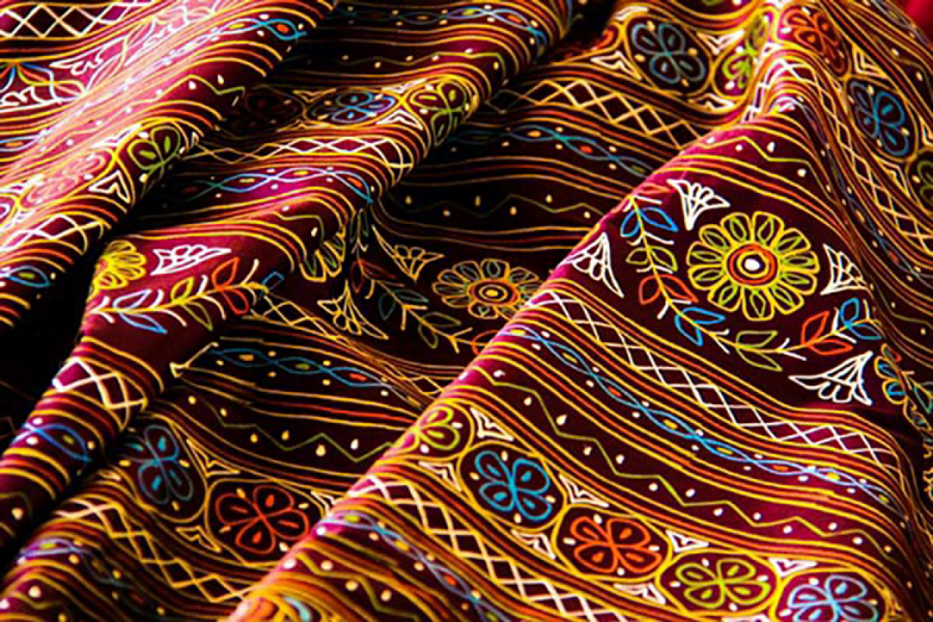
In addition to its cultural and economic importance, Rogan art is also a valuable form of creative expression. The intricate designs and vibrant colors of Rogan paintings can be both beautiful and inspiring. This makes Rogan art a valuable tool for education and cultural exchange.
Conclusion
Rogan art is a unique and valuable art form that is worth preserving. It has a long and rich history, and it continues to be an important part of the cultures of the regions where it is practiced. By working to preserve Rogan art, we can ensure that this tradition will continue to thrive for many years to come.